
Plants
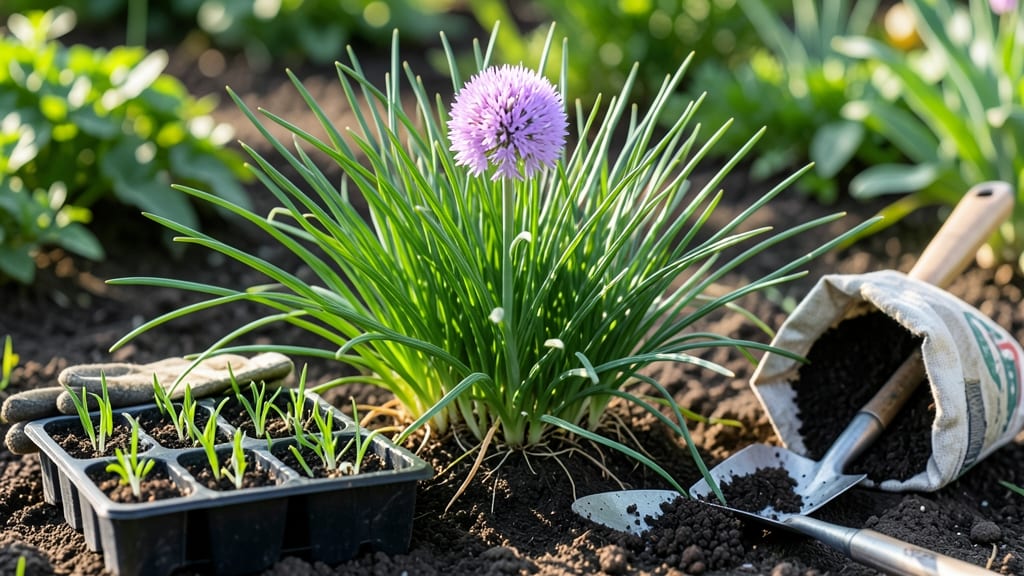
Planting chives in Texas isn’t just about grabbing a packet and sticking it in the ground—it’s about timing your move to outsmart the state’s brutal summers and unpredictable winters.
If you get the window wrong, you’ll either fry your 🌿 before they take root or watch them shrivel under early frost. The key? Fall and early spring are your best bets, but there’s more to it than just picking a month.
Texas gardeners in zones 8a-10b have a narrow but critical window to plant chives—typically between September and November for fall or February and March for spring. Why? Because chives are cool-season herbs, and Texas heat will turn them into crispy snacks faster than you can say “pesto.”
But don’t stress: with the right prep, you can stretch their growing season and avoid the common pitfalls that leave most gardeners pulling out their hair by July.
I’ve tested this myself in my Texas garden, and the difference between a thriving chive patch and a sad, wilted mess comes down to one thing: knowing your microclimate. North Texas? You’ve got more frost risk.
South Texas? You’re fighting the heat earlier. I’ll break down exactly how to read your local conditions and adjust your planting schedule—so you’re not left scrambling when the first 90-degree day hits.
Ready to grow chives that last? Let’s dive into the exact steps to plant them at the perfect time, protect them from Texas extremes, and keep your kitchen stocked with fresh 🌿 all year. No guesswork, just results.
Best planting months for chives in Texas (by hardiness Zone)
Chives love Texas’s mild winters but struggle with summer heat, so timing is critical. In USDA Zones 7-9 (North and Central Texas), aim for September to November or February to March. For Zones 10-11 (South Texas), focus on fall planting—avoid summer entirely. These windows ensure your chives establish roots before extreme heat or frost.
Texas’s first frost dates vary wildly: North Texas (Zone 8a) can see frost by November 15, while South Texas (Zone 10b) rarely drops below 32°F. Planting too early in colder zones risks frost damage, while late spring plantings may wilt under 90°F+ afternoons. Precision matters!
Here’s the exact timeline for each zone, including last safe planting dates before summer’s wrath:
| USDA Zone | Best Planting Window | Last Safe Date (Fall) | First Frost Risk |
|---|---|---|---|
| 7a-8a (North Texas) | Sep 15–Nov 15 or Feb 1–Mar 15 | Nov 1 | Mid-November |
| 8b-9a (Central Texas) | Sep 1–Nov 30 or Feb 15–Mar 15 | Nov 15 | Late December |
| 9b-10a (South Texas) | Aug 15–Oct 31 (fall only) | Oct 15 | Rare below 32°F |
| 10b-11 (Deep South Texas) | Sep 1–Nov 15 (fall only) | Nov 1 | Almost never |
For Zone 7a gardeners, September 15 is your cutoff—plant after that, and winter’s chill may kill tender seedlings. In Zone 10b, stretch planting to November 1 to avoid summer’s brutal 100°F+ spells. Pro tip: Use shade cloth (30-50%) if planting in late spring to ease heat stress.
Texas’s microclimates add complexity. Urban areas like Austin (Zone 8b) may see frost by December 15, while rural Hill Country stays warmer. Check your local frost dates via the Texas A&M AgriLife Extension for precision.
Even a 2-week difference can mean the difference between thriving chives and a sad, wilted mess.
Spring plantings in March work best in North Texas, but South Texas gardeners should skip spring entirely—chives bolt (flower prematurely) when days heat up. Instead, focus on fall for year-round harvests. Start seeds 6-8 weeks before your last frost indoors for an early jump.
Soil prep is non-negotiable. Texas’s clay-heavy soils drain poorly, leading to root rot. Amend with compost or sand to improve drainage. Chives prefer slightly acidic to neutral soil (pH 6.0-7.0). Test your soil—Texas’s alkaline soils often need sulfur amendments to hit the sweet spot.
Container gardening is a game-changer for urban Texans or those with poor soil. Use 5-inch-deep pots with well-draining mix (60% potting soil, 30% perlite, 10% compost).
Containers warm faster in spring, so delay planting until March 15 to avoid heat shock. Move pots to shadier spots during June-August to prevent wilting.
Remember: Chives are perennial in Texas’s warmer zones (9-11). Once established, they’ll regrow yearly with minimal care. But Zone 7-8 gardeners may need to replant annually due to winter dieback. Mulch with 2-3 inches of straw in fall to insulate roots and retain moisture during Texas’s erratic winters.
🌱
How to extend your chives’ growing season in Texas heat
Texas summers can turn your chives from lush green to crispy in days—but with the right tricks, you can keep them thriving year-round. The key is heat management: shade, water, and smart placement.
Start by planting chives in containers or raised beds, which let you move them to cooler spots when temperatures hit 90°F+. Containers also dry out faster, reducing fungal risks from Texas humidity.
For in-ground chives, mulch heavily with straw or wood chips to insulate roots. Aim for 2-3 inches of mulch—this keeps soil temps 5-10°F cooler and locks in moisture. Pair chives with shade-loving companions like lettuce or spinach; these plants act as natural sun blockers while sharing nutrients.
Use 30-50% shade cloth during peak sun (11 AM–3 PM). This cuts heat stress by 30% while still allowing light for growth. Secure cloth with stakes to avoid wind damage.
Water deeply 2x/week in summer—early morning only—to encourage deep roots. Avoid wetting leaves to prevent mildew. Use a soaker hose for efficient delivery.
Move potted chives to patio edges, garages, or under AC units during heatwaves. Ensure pots have drainage holes to prevent root rot from Texas’s sudden downpours.
Plant chives near basil or marigolds—both repel pests and provide light shade. Avoid tomatoes; they compete for nutrients and attract the same pests.
During 100°F+ days, mist chives with water twice daily (morning/evening) to lower leaf temps. Use a fine spray nozzle to avoid damaging delicate foliage.
Even with these tricks, chives may go dormant in extreme heat—but don’t prune them! Trim only the top 1/3 of stems to encourage regrowth. Once temps drop below 85°F, they’ll bounce back faster than you’d expect.
For year-round harvests, stagger plantings: September + February ensures a continuous supply.
Pro tip: Harvest chives in the morning when oils are most concentrated. Snip leaves just above a node (the bump where leaves grow) to encourage bushier growth. Store trimmed chives in the fridge for up to 2 weeks, or freeze them in ice cube trays for quick culinary use.
With these heat-beating strategies, your chives will stay vibrant, productive, and pest-free—even when Texas hits its hottest. Just remember: shade + water + smart placement = chive success all season long. 🌿☀️