
Plants
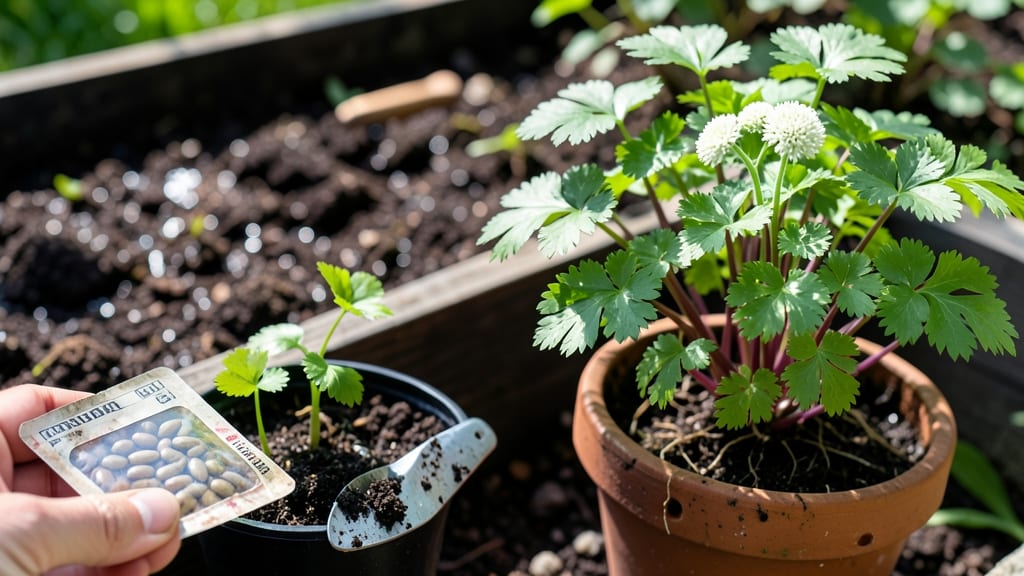
Planting cilantro in Southern California at the wrong time means watching your fresh 🌿 turn bitter and bolt before you can even use it—but get the timing right, and you’ll enjoy a steady harvest of bright, flavorful leaves all season.
Most gardeners know cilantro thrives in cooler weather, but Southern California’s microclimates (from coastal 10a-11 to inland 9b-10a) create two perfect planting windows: fall and early spring. The key is avoiding the heat, which triggers bolting faster than you can say "guacamole."
In this guide, I’ll break down the exact months to plant—plus shade tricks, soil tips, and companion plants—to keep your cilantro lush and ready for harvest. No more wasted seeds or bitter disappointment!
Let’s dive into the fall and spring schedules that actually work for your region, whether you’re near the coast or tucked in the desert’s shadow.
Southern California cilantro planting calendar: fall & spring windows explained
Southern California’s microclimates create a perfect puzzle for cilantro lovers—coastal areas stay mild while inland zones bake under summer sun. The key to success? Planting during two optimal windows: fall and winter/spring.
These seasons align with cooler temps that prevent the bolting cilantro hates, while also matching Southern California’s natural rainfall patterns.
In coastal regions like San Diego or Santa Barbara, you can push cilantro slightly earlier than inland areas. The USDA zones 10a-11 here mean almost year-round growing potential, but cilantro still needs a break from summer’s intensity.
Inland desert areas (like Palm Springs or Lancaster) in zones 9b-10a have shorter windows—focus on fall planting to avoid the extreme heat.
🌱
| Region | Best Planting Window | Transplant Timing | Harvest Window | Key Tip |
|---|---|---|---|---|
| Coastal (San Diego, Santa Barbara) | September 15 - November 15 | October 1 - November 30 | October - December | Use shade cloth in late fall to extend harvest |
| Inland (Los Angeles Basin) | September 1 - October 15 | September 15 - October 30 | October - November | Plant in partial shade to prevent bolting |
| Desert (Palm Springs, Coachella) | August 20 - September 30 | September 1 - October 15 | September - October | Water deeply at night to combat heat stress |
| Winter/Spring Window (All Regions) | February 1 - March 15 | March 1 - April 15 | March - May | Use succession planting for continuous harvests |
For coastal gardeners, the fall window runs from mid-September through November. Start seeds indoors 4-6 weeks before your target outdoor date to give them a head start. Transplant seedlings outdoors when nighttime temps stay above 50°F (10°C), typically around early October.
This timing lets cilantro establish roots before winter rains begin, reducing your watering workload.
Inland areas should focus on August-September planting. The desert’s extreme heat makes summer planting risky, but cilantro can handle morning sun if shaded by noon. Use drip irrigation to keep soil consistently moist—this is non-negotiable in USDA zone 9b areas where evaporation rates skyrocket.
Don’t overlook the winter/spring window (February-March) for a second harvest. This works especially well in cooler microclimates like Malibu or Big Sur, where spring arrives earlier. Plant seeds directly in the ground after the last frost risk (though SoCal rarely sees frost, high desert areas are the exception).
🌿
Pro tip: Align your planting with rainfall. Southern California’s winter rains (November-March) provide natural irrigation, reducing your need to water. For fall plantings, aim to have cilantro established before the first major rainstorm—this prevents seed washout and gives roots time to anchor.
If you’re in a high-elevation area (like Mount Laguna), you might squeeze in an extra planting in late December. These cooler pockets can support cilantro through January, giving you fresh leaves for New Year’s resolutions (or guacamole!). Just monitor for light frosts and protect with row covers if needed.
💧
Southern California cilantro planting calendar: fall & spring windows explained
Southern California’s microclimates create two ideal planting windows for cilantro: fall (September–November) and early spring (February–March). Coastal areas like Los Angeles and San Diego enjoy milder temperatures, while inland deserts (e.g., Palm Springs) need earlier starts to avoid heat stress.
The key is aligning your planting with cooler months when cilantro thrives.
Fall is the best window because temperatures drop naturally, reducing bolting risks. Start seeds 6–8 weeks before first frost (though frost is rare in most of SoCal).
For inland areas, aim for late August to early September to harvest before summer heat sets in. Coastal gardeners can push planting until mid-November for winter harvests.
🌱 Southern California Cilantro Planting Guide
| Season | Coastal Start Date | Inland Start Date | Harvest Window |
|---|---|---|---|
| Fall | Late Aug–Mid-Nov | Late Aug–Early Sept | Oct–Dec |
| Spring | Feb–March | Jan–Feb | March–May |
💡 Pro Tip: Use shade cloth (30–50%) for inland plantings in late spring to delay bolting.
Spring planting is trickier in Southern California due to rising temperatures. Start seeds in February for coastal areas or January inland to harvest before summer heat. Avoid planting after March unless you’re using heat-tolerant varieties or provide afternoon shade. Succession planting every 2–3 weeks ensures a continuous harvest.
Rainfall patterns also play a role. Coastal areas get winter rains, reducing irrigation needs, while inland gardeners must supplement water to prevent drought stress. Aim for 1–2 inches of water weekly during dry spells, always watering at soil level (not leaves) to avoid fungal issues.
For container growers, cilantro thrives in 5–10 gallon pots with well-draining soil. Plant in partial shade (e.g., under a patio umbrella) to extend the growing season. Coastal balconies can enjoy cilantro year-round with light shade cloth in summer months.
Timing your cilantro planting to align with cooler months and microclimate conditions is the secret to avoiding bolting. Whether you’re in San Diego’s coastal breeze or Palm Springs’ desert heat, these windows ensure fresh, flavorful harvests—no bitter surprises here! 🌿