
Plants
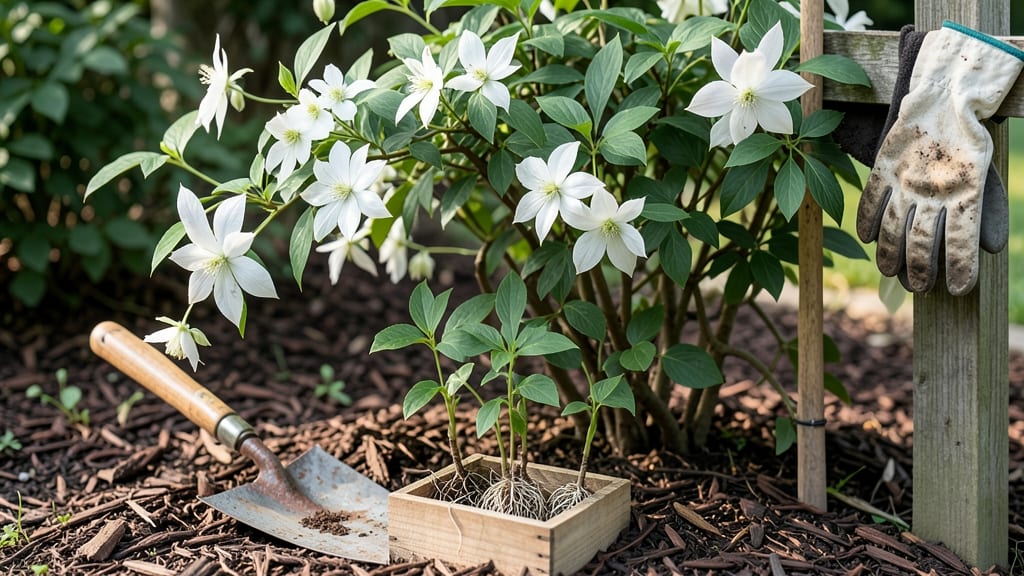
Planting your clematis 🌸 at the wrong time in Zone 8 could mean struggling with weak vines or winter damage—don’t let that happen to your garden dreams.
The secret to thriving clematis lies in understanding the perfect window, whether you’re planting in early spring or fall, to give those roots the best possible start.
I’ve seen firsthand how a few weeks’ difference can change everything—from lush, blooming vines to plants that barely make it through the first year. In Zone 8, where mild winters and hot summers create unique challenges, timing isn’t just important—it’s the key to success.
Whether you’re a seasoned gardener or just starting, I’ll walk you through the exact months to plant, how to prepare your soil, and what to watch for in your Zone 8 climate. By the end, you’ll know exactly when to dig in for the best results.
Let’s get your clematis off to a strong start—because the right timing makes all the difference!
Best months to plant clematis in Zone 8 for maximum growth
In Zone 8, where winters are mild and summers can be scorching, planting your clematis 🌸 at the right time ensures strong root development and vibrant blooms. The two best windows are early fall (October-November) and late winter (February-March), but each has unique advantages for your climate.
Fall planting gives roots time to establish before winter dormancy, while spring planting avoids late-season heat stress. Both methods work, but your local last frost date (typically mid-March in Zone 8) and soil temperatures play critical roles in success.
Let’s compare the two approaches to help you choose the best timing for your garden’s microclimate.
For fall planting, aim to get your clematis in the ground 6–8 weeks before your first frost (usually by early November in Zone 8). This gives roots time to anchor before dormancy, reducing winter stress.
In my garden, I’ve found that October is ideal—cool enough for root growth but warm enough to avoid early frost.
If you prefer spring planting, wait until after your last frost date (mid-March in most of Zone 8) and when soil temperatures rise above 50°F (10°C). This timing ensures your clematis won’t suffer from cold snaps or slow growth in chilly soil.
Zone 8’s microclimates can vary dramatically—coastal areas stay milder, while inland spots heat up faster. If you’re near the coast, you might plant clematis a week or two later than inland gardens. Always check your local USDA frost map for precise dates.
Pro tip: If you’re unsure about timing, container planting gives you flexibility. Start your clematis in pots in early spring, then transplant outdoors after the last frost. This method works especially well for Zone 8’s unpredictable weather.
Once you’ve chosen your planting window, focus on soil preparation—well-draining, slightly acidic soil (pH 6.0–7.0) is key. I’ll cover soil prep and post-planting care in the next section, but for now, mark your calendar for October or March and get ready for stunning vines!
Best months to plant clematis in Zone 8 for maximum growth
When it comes to planting clematis in Zone 8, timing is everything. The ideal window falls between early fall (October-November) and late winter (February-March), but the best choice depends on your local microclimate.
In Zone 8, we enjoy mild winters and hot summers, so understanding these seasonal cues will help your clematis establish strong roots before facing the heat or cold.
Fall planting, between October and early November, gives clematis roots time to settle before winter dormancy. This method allows them to focus on root growth rather than above-ground foliage, which is crucial for surviving Zone 8’s mild winters.
Spring planting, on the other hand, should happen after the last frost date—typically around mid-March—to avoid frost damage to tender new growth.
Here’s the key: Soil temperature matters most. Clematis roots thrive when soil temps are between 50°F and 60°F. In Zone 8, this usually aligns with fall or early spring, but always check your local frost dates to be safe.
Planting too early in spring risks frost damage, while planting too late in fall may leave roots vulnerable to winter moisture.
If you’re planting in fall, aim for 6–8 weeks before the first frost. This gives roots time to establish, but not so late that they’re vulnerable to winter moisture or frost heave.
For spring planting, wait until the soil is workable and the risk of frost has passed. In Zone 8, this is usually mid-March, but always check your local weather patterns.
One pro tip: Plant your clematis deeper than you might think. The crown should be 4–6 inches below soil level to keep it cooler and protect it from temperature swings. This is especially important in Zone 8, where summers can be scorching and winters surprisingly chilly in some microclimates.
Pair this with a support structure installed before planting to avoid disturbing roots later.
Microclimates play a huge role in Zone 8. If you’re in a cooler pocket of the zone, you might push fall planting slightly later. Conversely, if you’re in a warmer, inland area, early spring planting might be safer to avoid summer heat stress.
Always observe your garden’s unique conditions—this is how you’ll get the best results with your clematis.