
Plants
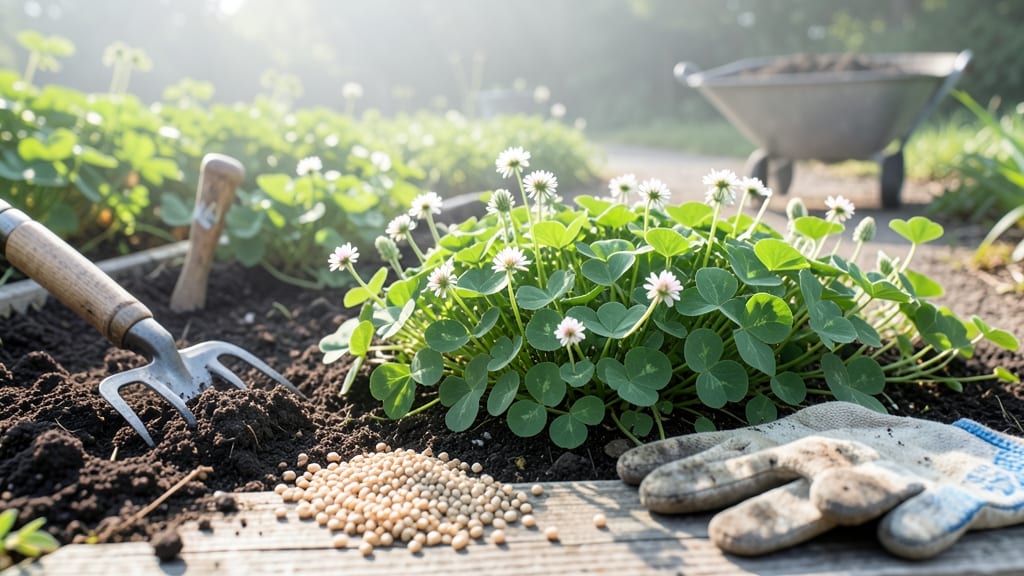
Planting clover in Maryland at the wrong time means battling weeds instead of enjoying its soil-boosting benefits—so timing is everything. With Maryland’s 7a-8a climate, you’ve got two prime windows to get it right: early spring or early fall.
The key? Avoiding frost while giving those tiny seeds the ideal conditions to sprout fast and strong.
I’ve seen firsthand how fast clover can take over when planted correctly—within weeks, it’s crowding out weeds and enriching the soil naturally. But miss the window, and you’re left with patchy growth or a lost season.
Let’s break down the exact months that work best for Maryland gardens, plus the simple prep steps to ensure your clover thrives from day one.
Spring planting in March or April gives clover a head start before summer heat, while fall planting in September or October lets it establish roots before winter. Both strategies work, but the soil temperature and moisture levels make all the difference.
I’ll show you how to check for readiness and avoid common pitfalls that slow down germination.
Whether you’re restoring a lawn, improving garden beds, or just curious about this hardy plant, you’ll walk away knowing exactly when to plant 🌱 clover in Maryland—and how to keep it growing strong all season long. Ready to transform your soil? Let’s get started.
Best planting times for clover in Maryland: spring vs fall breakdown
Maryland’s USDA Zones 7a-8a give you two clear windows to plant clover: early spring and early fall. Both seasons offer ideal conditions, but the soil temperature and moisture levels play a huge role in germination success.
In my experience, planting too early or too late can leave you with sparse coverage—so let’s pinpoint the exact months that work best for Maryland’s climate.
The last frost date in Maryland typically falls around mid-April, while the first frost arrives in mid-November. This means you’ve got roughly 180 frost-free days to work with.
Clover seeds need the ground to be at least 50°F (10°C) for consistent germination, which usually happens by early March in most of the state.
Spring planting in March or April gives clover a head start, allowing it to establish roots before summer heat sets in. Meanwhile, fall planting in September or October lets it grow slowly through autumn and overwinter successfully. Both strategies avoid the extreme heat of summer, which can stress young seedlings.
Here’s the key difference: Spring planting relies on consistent moisture and warmer soil, while fall planting benefits from cooler temperatures and natural rainfall. I’ve found that fall-planted clover often outperforms spring-planted clover in Maryland because it avoids the dry spells that can occur in late spring and summer.
But timing isn’t the only factor—soil preparation is just as critical. Clover thrives in well-draining soil with a pH between 6.0 and 7.0. If your soil is too acidic or compacted, even the perfect planting window won’t guarantee success.
Let’s dive into the exact months that work best for each season and how to set your clover up for fast, lush growth.
If you’re planting in spring, aim for late March to early April when soil temperatures consistently stay above 50°F. This gives clover enough time to germinate before the heat of summer arrives. I’ve seen clover planted in late April struggle with dry conditions, so don’t wait too long.
For fall planting, focus on September to early October. This timing ensures the clover has 4-6 weeks of warm soil to establish roots before the first frost. In my garden, clover planted in late October often fails to establish properly, so I always stick to the earlier window.
One pro tip: Check soil moisture before planting. Clover seeds need consistent moisture to germinate, so water the area thoroughly 24 hours before sowing. If your soil feels dry, hold off until after a good rain.
Overwatering can also be a problem—clover dislikes soggy soil, so aim for even moisture, not saturation.
Finally, remember that clover is a cool-season crop, meaning it thrives in temperatures below 80°F. Planting in summer heat will stress the seedlings, leading to slow growth or even death.
By sticking to these spring and fall windows, you’ll give your clover the best chance to establish quickly and crowd out weeds naturally.
Ready to transform your soil? Grab your seeds and get planting—your Maryland garden will thank you with lush, green clover in no time! 🌱
Best planting times for clover in Maryland: spring vs fall breakdown
Maryland’s USDA Zones 7a-8a mean clover thrives best when planted during two key windows: early spring (March-April) or early fall (September-October). These months align perfectly with soil temperatures between 50°F and 70°F, which is ideal for germination.
Planting outside this range risks slow growth or seed rot, especially in Maryland’s humid summers.
Spring planting gives clover a 6-8 week head start before summer heat, while fall planting lets it establish roots before winter dormancy. Both strategies work, but the soil moisture and frost timing make all the difference.
I’ve seen clover fail when planted too late in spring or too early in fall—so let’s break down the exact windows that work best.
| Factor | Spring Planting (March-April) | Fall Planting (September-October) |
|---|---|---|
| Soil Temperature | 50°F-65°F | 60°F-70°F |
| Moisture Needs | Consistent, light watering | Moderate, deep watering |
| Frost Risk | Low (after mid-April) | Moderate (before mid-November) |
| Germination Time | 7-14 days | 10-21 days |
| Best For | Fast spring growth | Root establishment before winter |
For spring planting, aim for March or early April—this gives clover enough time to establish before Maryland’s summer heat peaks. If you plant too late (May or June), the seeds may struggle with dry soil and intense sunlight.
I’ve found that late March is the sweet spot in most of Maryland, especially in Zone 7a areas like Baltimore.
Fall planting in September or early October works best because it allows clover to grow roots before the first frost (mid-November in Maryland). Planting too late (November) risks seeds not germinating before winter.
In Zone 8a areas like Southern Maryland, you can push it slightly later—up to mid-October—but always check your local frost dates.
One common mistake I see is planting clover in summer (June-August) or late fall (November-December). Summer heat dries out seeds before they sprout, while late fall seeds may rot in cold, wet soil.
Stick to the spring or fall windows, and you’ll see clover establish within 2-3 weeks—no weeds in sight!
Pro tip: Use a soil thermometer to confirm temperatures are in the 50°F-70°F range before planting. This small step can mean the difference between a thriving clover patch and a failed attempt.
Once you’ve nailed the timing, the next step is preparing your soil—🌱 let’s make sure it’s ready.