
Plants
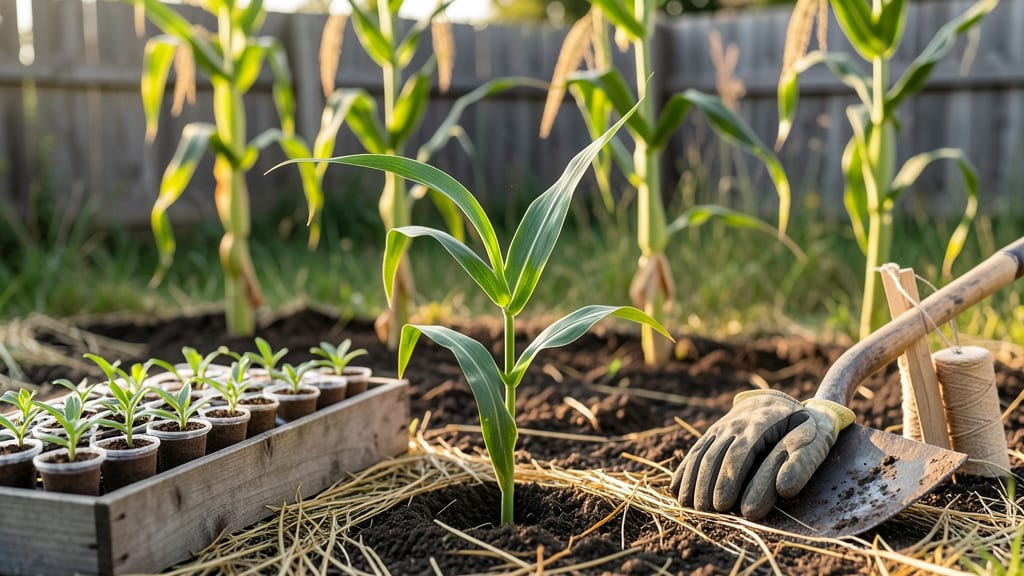
Planting corn in Zone 9b isn't just about the calendar—it's about beating the heat before it beats your crop. With summer temperatures already flirting with 100°F by May, timing your 🌽 planting window becomes the difference between sweet harvests and bitter disappointment.
Most gardeners here make the mistake of following general planting guides, but Zone 9b's long, scorching summers demand a different approach. The key isn't just waiting for spring—it's preparing your soil to warm to 60°F+ while selecting varieties that can handle the relentless sun without bolting prematurely.
I've learned the hard way that planting too early means watching your corn race toward maturity before the ears even form. But planting too late? You'll miss the window entirely, leaving you with nothing but empty stalks by summer's end.
What you really need is a strategy that accounts for heat tolerance, soil prep, and the right varieties for your specific microclimate—whether you're in Phoenix's urban heat islands or the cooler desert outskirts.
Let me show you exactly how to time it right for maximum yields in your Zone 9b garden.
Optimal planting times for corn in Zone 9b: heat zones explained
In Zone 9b, where summers are scorching and winters are mild, planting corn at the wrong time can mean the difference between a bountiful harvest and a disappointing failure. Unlike cooler climates, corn thrives in warmth but struggles when temperatures exceed 90°F (32°C) for prolonged periods.
The key is to plant when soil temperatures hit 60°F (15°C) and before the peak heat arrives.
Most Zone 9b gardeners aim for late winter to early spring, specifically February through March. This window ensures corn gets enough time to mature before summer’s relentless heat sets in.
However, microclimates—like coastal areas versus inland deserts—can shift these timelines by 2-4 weeks, so always check your local last frost date (though Zone 9b rarely experiences frost).
For coastal Zone 9b areas (e.g., San Diego), you can plant as early as mid-February when ocean breezes moderate temperatures. Inland regions (e.g., Phoenix) should wait until late February to early March to avoid premature bolting.
Even a 10°F (5°C) temperature swing can stress young plants, so monitor soil and air temps closely.
Zone 9b’s unique challenge is the long growing season—corn planted in April or May can still mature if you choose fast-maturing varieties (60-70 days to harvest). However, summer planting risks heat stress, poor pollination, and stunted ears. If you’re determined to try, opt for shade cloth and succession planting to stretch your harvest window.
Here’s the golden rule for Zone 9b: Plant when soil is warm, not when air is cool. A soil thermometer is your best friend—corn roots need consistent warmth to thrive.
If you plant too early and soil temps dip below 55°F (13°C), germination slows, and seedlings become leggy and weak.
If you’re direct-sowing (the preferred method for corn), plant seeds 1 inch deep and 12 inches apart in rows 30 inches apart. This spacing ensures good air circulation, reducing fungal risks in Zone 9b’s humid summers.
For small gardens, try block planting (planting in a square instead of rows) to improve pollination and save space.
Watch for bolting—when corn sends up a tall stalk prematurely due to heat stress. If your plants bolt too early, they’ll produce small, underdeveloped ears.
To prevent this, mulch heavily with straw or grass clippings to keep roots cool and water deeply in the morning to encourage strong root growth. Avoid overhead watering, which can lead to fungal diseases like corn smut.
For successive plantings, stagger seeds every 2 weeks in February and March to extend your harvest. This works especially well for short-season varieties like 'Early Sunglow', which matures in
Optimal planting times for corn in Zone 9b: heat zones explained
In Zone 9b, where summers are scorching and winters are mild, timing your corn planting is everything. Unlike cooler zones, corn here thrives in late winter to early spring—typically between mid-February and early April.
Planting too early risks heat stress and bolting, while waiting too long may mean missing the harvest window before summer’s peak heat arrives.
Your soil temperature is the best indicator: aim for 60°F or warmer before sowing seeds. Use a soil thermometer to check—cold soil delays germination.
Coastal areas in Zone 9b (like San Diego) may plant slightly earlier, while inland desert regions (like Phoenix) should wait until late March to avoid extreme heat.
🌱
| Planting Window | Soil Temp Requirement | Zone 9b Microclimate | Risk Level |
|---|---|---|---|
| Mid-February to Early March | 55°F–60°F (cooler coastal areas) | Coastal (San Diego, LA) | Low (bolting risk) |
| Late March to Early April | 60°F–65°F (ideal for germination) | Inland (Phoenix, Riverside) | Moderate (heat stress risk) |
| April to Mid-May | 65°F+ (high heat tolerance) | Desert (Yuma, Palm Springs) | High (drought/heat stress) |
🌡️ Pro Tip: Use shade cloth for April+ plantings to protect seedlings.
For succession planting, sow new seeds every 2–3 weeks after your first batch to ensure a continuous harvest. In Zone 9b, this means planting through mid-April—but stop by early May to avoid heat stress during pollination.
If you’re growing sweet corn, prioritize faster-maturing varieties (like ‘Early Sunglow’) to beat the summer heat.
Watch for silk emergence—a critical stage where corn needs consistent moisture to prevent poor kernel development. If silks dry out, hand-pollinate by gently brushing tassels over silks. Morning watering is key to prevent fungal diseases like corn smut, which thrives in Zone 9b’s humidity.
In Zone 9b’s extreme heat, avoid planting after May 15th unless you’re using shade cloth or drip irrigation. Late-season plantings risk stunted growth and poor ear fill. Instead, focus on fall harvests by starting seeds indoors in July and transplanting in August—just before the monsoon rains begin.
Remember: Corn is a warm-season crop, but even it has limits. In Zone 9b, the goal is to beat the heat, not fight it. With the right timing, you’ll enjoy sweet, tender ears before the summer solstice—just in time for grilling (or freezing for later!).