
Plants
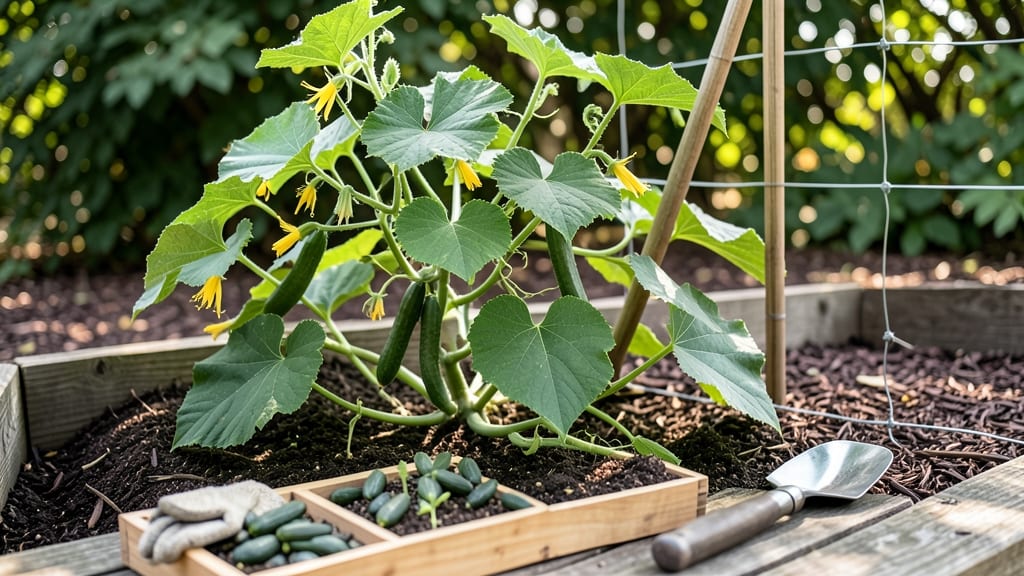
Timing your 🥒 cucumber planting in Australia isn’t just about following a calendar—it’s about dodging frost, heatwaves, and regional quirks that can turn your garden dreams into a sad, wilted mess.
One wrong move, and you might end up with a crop that bolts before harvest or gets fried by a sudden heat spike.
I’ve learned the hard way that planting too early in Sydney’s chilly mornings or too late in Perth’s scorching summers can ruin your entire season. The key is knowing your local frost-free dates and adjusting for your state’s microclimate—whether you’re in tropical Queensland or alpine Victoria.
In this guide, I’ll break down the perfect planting windows for every Australian state, so you can avoid common mistakes and get a bumper harvest. We’ll also cover soil prep, container growing hacks, and how to stretch your season with simple tricks—no green thumb required.
Ready to grow crisp, homegrown cucumbers without the guesswork? Let’s get started with the timing that actually works for your backyard.
Australia’s best cucumber planting zones by state and frost-free dates
Australia’s diverse climate means cucumber planting times can vary dramatically from one state to another. In tropical Queensland and Northern Territory, you can plant year-round, while Victoria and Tasmania require precise timing to avoid frost damage.
Understanding your last frost date is critical—most cucumbers need soil temperatures above 15°C (60°F) to thrive.
For southern states like NSW, VIC, and TAS, aim to plant after mid-September to ensure warm soil and air temperatures. In Western Australia, coastal areas like Perth have a longer growing season, while inland regions benefit from spring planting in August-September.
Let’s break down the best planting windows by state to maximize your harvest.
Here’s a quick reference for optimal cucumber planting months across Australia, based on frost-free periods and regional climate data:
| State | Best Planting Window | Last Frost Date (Avg.) | Notes |
|---|---|---|---|
| New South Wales | September–November | Sydney: Sept 15 | Canberra: Oct 1 | Use row covers for early spring planting. |
| Victoria | October–November | Melbourne: Oct 15 | Alpine regions: Nov 1 | Avoid planting before last frost; use greenhouses. |
| Queensland | All year (spring best) | No frost risk | Focus on heat-tolerant varieties like 'Straight Eight'. |
| Western Australia | August–September (coastal) / Sept–Oct (inland) | Perth: Aug 15 | Kalgoorlie: Sept 1 | Inland areas need extra watering. |
| South Australia | October–November | Adelaide: Oct 1 | Mount Gambier: Nov 1 | Use mulch to retain soil warmth. |
| Tasmania | November–December | Hobart: Nov 15 | Greenhouse growing extends season. |
| Northern Territory | Year-round (spring ideal) | No frost risk | Provide shade in extreme heat. |
In cooler climates like Victoria and Tasmania, cucumbers are often grown as a warm-season crop in spring and early summer. If you’re in a frost-prone area, wait until the soil temperature consistently stays above 15°C (60°F)—this usually aligns with the last frost date for your region.
For example, Melbourne’s last frost typically occurs around October 15, making late spring the ideal time to plant.
For tropical and subtropical regions, such as Queensland and Northern Territory, cucumbers can be planted almost year-round. However, spring (September–November) is still the best time for optimal growth and fruit production.
These regions benefit from heat-tolerant varieties like 'Burpee Bush Champion' or 'Straight Eight', which handle Australia’s summer heat better than traditional varieties.
How to extend your cucumber growing season in cool climates
If you’re in cool Australian climates like Melbourne, Hobart, or the Adelaide Hills, you know how quickly cucumbers can suffer from late frosts or early chills. The good news?
With the right strategies, you can extend your growing season by weeks—or even months—without a greenhouse. I’ve successfully grown cucumbers in April and October using these simple tricks.
First, focus on heat-tolerant varieties like ‘Burpee Bush Champion’ (compact and cold-resistant) or ‘Straight Eight’ (classic slicing type that handles cooler temps better than most). These varieties are bred to thrive in marginal conditions, giving you a head start in shoulder seasons.
For urban gardeners with limited space, vertical growing is a game-changer. Use trellises or A-frame structures to train cucumbers upward, which improves air circulation and reduces disease risk in humid cool climates.
I’ve seen bush varieties like ‘Spacemaster’ produce just as well in containers as in-ground, as long as they get full sun and consistent water.
One critical mistake I’ve seen in cool climates? Overwatering when temps drop. Cucumbers in 5-15°C soil can’t absorb water efficiently, leading to root rot.
Instead, water deeply but less frequently—aim for 1-2 inches per week—and always in the morning to let foliage dry before evening chills set in.
With these strategies, you can grow cucumbers year-round in mild regions like Perth or Adelaide, or stretch your season by 2 months in frost-prone areas. The key is adapting to your microclimate—not fighting it. 🌱