
Plants
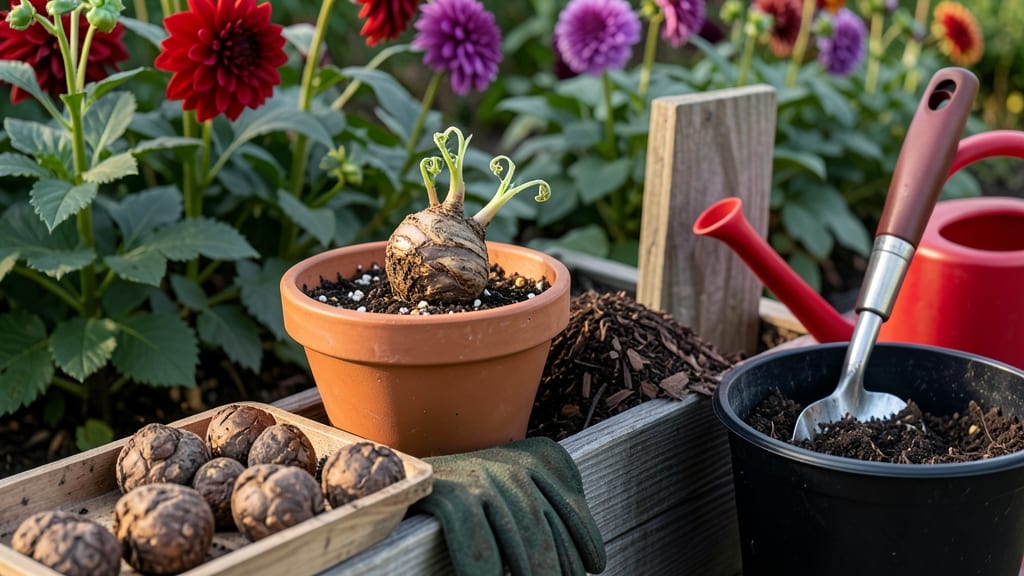
Planting your 🌼 dahlias at the wrong time in South Africa can mean the difference between a stunning summer garden and a sad, stunted mess. The key isn't just waiting for summer—it's understanding your region's frost-free window, because Johannesburg's last frost in July won't match Cape Town's May timeline.
I've learned the hard way that rushing dahlias into the ground too early in cooler zones risks frost damage, while waiting too long in subtropical areas means missed blooming seasons.
The perfect window—August to September—balances soil warmth with frost safety, but your exact timing depends on whether you're in the coastal subtropics or inland temperate belts.
What you'll discover here are the precise regional planting cues: when soil temperatures hit 15°C (59°F), how to prep tubers for South Africa's sandy soils, and why some gardeners swear by chitting tubers indoors.
These small adjustments make all the difference between a garden full of 🌼 dahlias and one that barely survives.
Let's break down exactly when to plant in your area, from the Garden Route's mild winters to Durban's humid summers—plus the one mistake 90% of beginners make that kills their dahlias before they even bloom.
Optimal dahlias planting dates by south african region (frost-free zones)
South Africa’s diverse climate means dahlias need region-specific timing to thrive. Coastal areas like Cape Town enjoy milder winters, while inland cities like Johannesburg face frost risks until mid-July.
Planting too early in frost-prone zones can kill tubers, while waiting too long may delay blooms. Let’s break down the ideal planting windows for your area.
The key factor is soil temperature—dahlias need 15°C (59°F) minimum to sprout. Most regions hit this threshold between August and September, but coastal areas can start earlier. Use a soil thermometer to confirm readiness, especially if your local frost dates vary from the averages below.
🌼 Visual Guide: Planting Zones & Frost Risks
If you’re in a transition zone (e.g., Pretoria or Port Elizabeth), err on the side of caution. Plant 2-3 weeks later than the early window to avoid frost damage. For example, if your last frost is July 1, wait until mid-August to plant.
Pro tip: Chitting tubers (pre-sprouting indoors) gives you a 2-3 week head start. Place tubers in a bright, frost-free spot with the eyes (growth points) facing upward by late July. This ensures they’re ready to plant as soon as the soil warms.
For container gardening, you can plant 1-2 weeks earlier since pots warm up faster. Just ensure your containers have drainage holes to prevent waterlogged roots—a common issue in South Africa’s sandy soils.
🌱 Key Takeaway: Coastal areas plant in August, inland regions wait until September-October. Always check your local frost-free date and soil temperature before planting.
Now that you’ve nailed the timing, let’s tackle tuber preparation—another critical step for South Africa’s unique climate challenges, like termites and erratic rainfall. Stay tuned for my next section on pre-planting prep!
Optimal dahlias planting dates by south african region (frost-free zones)
South Africa’s diverse climate means your dahlia planting window depends entirely on where you live. In Cape Town’s coastal subtropics, you can plant as early as mid-July when soil temperatures hit 15°C (59°F), while Johannesburg gardeners must wait until mid-August after the last frost risk passes.
The key is aligning your schedule with soil warmth and frost-free dates, not just calendar months.
I’ve mapped out the ideal planting periods for South Africa’s four major regions, including frost risk analysis and soil temperature thresholds. These timelines help you avoid the two biggest mistakes: planting too early (risking frost damage) or too late (missing the blooming season).
Each region’s window balances tuber viability with summer heat tolerance—critical for dahlias that wilt in extreme conditions.
| Region | Last Frost Date | Ideal Planting Window | Soil Temp Threshold | Key Risk |
|---|---|---|---|---|
| Cape Town (Coastal) | Late May | Mid-July to early August | 15°C (59°F) | Overwatering (sandy soil) |
| Johannesburg (Highveld) | Mid-July | Mid-August to early September | 18°C (64°F) | Late frost |
| Durban (Subtropical) | Never (frost-free) | June to early July | 12°C (54°F) | Termite damage |
| Garden Route (Mild) | Early June | Late July to August | 14°C (57°F) | Heat stress |
For Johannesburg gardeners, the August 15 mark is your cutoff—planting before this risks frost damage to tender tubers, while waiting until September ensures soil warmth.
In Durban’s frost-free zone, you can start as early as June, but I recommend waiting until early July to avoid termite attacks on freshly planted tubers.
Pro tip: Use a soil thermometer to confirm readiness—15°C (59°F) is the minimum for tuber growth. In sandy soils (common in Cape Town), plant 1 inch deeper than in clay soils to retain moisture. This small adjustment prevents the #1 killer of young dahlias: dehydration stress.
If you’re in a transition zone like the Eastern Cape, split your planting: start with hardy varieties (like 'Café au Lait') in July and follow with tender types in August. This staggered approach maximizes your 🌼 blooming season from November to April.