
Plants
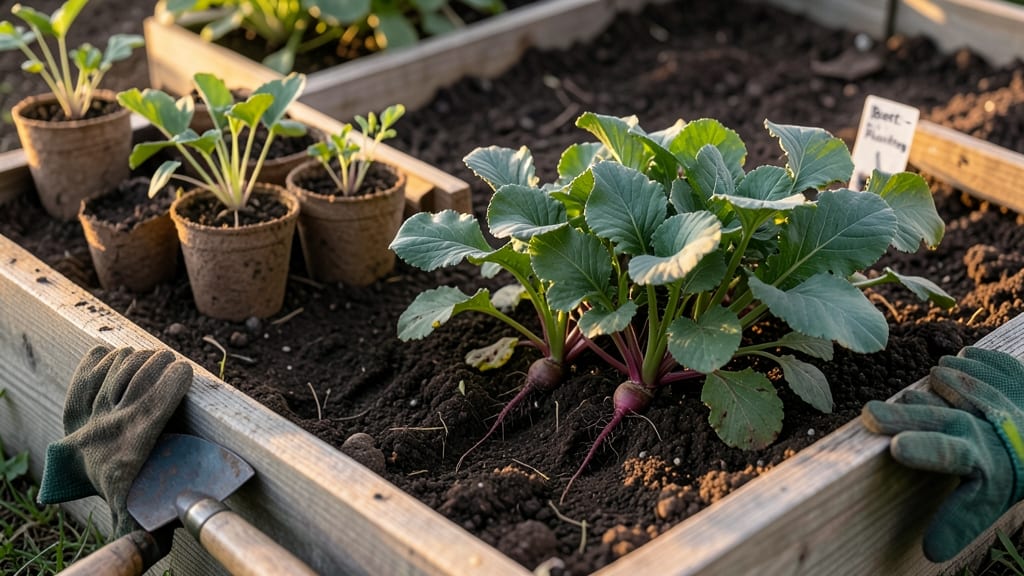
Planting fall beets in Zone 7 at the right time transforms your garden from a gamble to a guaranteed harvest of sweet, tender roots. If you wait too late, you’ll end up with tough, woody 🍠 that’s barely edible—so timing is everything.
Most gardeners in 7a-7b miss the window because they focus on calendar dates instead of frost calculations. But here’s the secret: planting 4-6 weeks before your first frost (typically late August to early September) gives your beets just enough time to mature before winter sets in.
Why does this matter? Fall-planted beets develop deeper flavors and fewer pests than their spring counterparts. Plus, they’ll keep producing until hard frosts arrive—meaning you could have fresh harvests straight through winter if you play your cards right.
I’ll walk you through the exact steps to nail your planting window, from soil prep to succession planting, so you never miss another harvest. Let’s get those beets growing!
Optimal planting window for fall beets in Zone 7: exact dates and frost calculations
In Zone 7, your fall beet planting window hinges on one critical factor: first frost dates. Most gardeners here experience their first frost between November 1-15, but exact dates vary by 7a vs. 7b.
To calculate your perfect window, count back 60-70 days from your average frost date—this gives beets enough time to mature before winter.
For example, if your first frost typically hits November 10, aim to plant between late August and early September. This timeline ensures your beets reach harvest size (1-3 inches) before cold sets in.
Early varieties like 'Detroit Dark Red' mature faster (50-55 days), while heirlooms like 'Chioggia' need closer to 70 days.
Don’t rely on calendar months—use your local frost-free days as your guide. Zone 7 has about 165 frost-free days, but your exact count depends on elevation and microclimates. Check resources like the Almanac’s Frost Calculator or your county extension office for precise data.
Here’s the golden rule: Plant your first round 4-6 weeks before your last expected frost. This timing balances maturity with cold tolerance. For a continuous harvest, make 2-3 successive plantings, spacing them 2 weeks apart. This way, you’ll have fresh beets from October through December.
| Zone 7 Timing Guide | Key Details |
|---|---|
| First Frost Date | Nov 1-15 (varies by location) |
| Ideal Planting Window | Late August–Early September |
| Days to Maturity | 50–70 days (variety-dependent) |
| Succession Planting | Every 2 weeks for extended harvest |
| Harvest Window | October–December (before hard frost) |
Pro tip: Test your soil’s cold tolerance by planting a small batch early. If your microclimate runs warmer, you might push planting to mid-September. Conversely, cooler areas should start by late July for safety. Always choose cold-hardy varieties like 'Ruby Queen' or 'Golden' for Zone 7’s unpredictable falls.
Remember, beets are bolder in cooler weather, so don’t fear late starts. Just avoid planting after October 1, as roots may struggle to mature before frost. Use row covers or cold frames to extend your season if needed.
For extra insurance, monitor your local 10-day forecast before planting. A sudden cold snap can derail your harvest, but with the right timing, you’ll enjoy sweet, crisp beets long after summer’s over.
Now that you’ve nailed the planting window, let’s talk about how to protect your beets from early frosts and maximize your harvest—stay tuned for my next tips!
Optimal planting window for fall beets in Zone 7: exact dates and frost calculations
Fall beets thrive in Zone 7 when planted 4-6 weeks before your first frost date, typically between late August and early September. This timing ensures your beets mature before winter sets in, delivering sweet, tender roots instead of woody disappointments.
For most of Zone 7, this means aiming for mid-August to late August to give your beets their full 60-70 day growing window.
Your first frost date is the critical number. Check your local USDA Zone 7 frost map—most areas experience their first frost around November 15. Count backward 4-6 weeks to land on your ideal planting window.
For example, if your frost date is November 1, plant between September 15 and October 1. This flexibility accounts for early vs. late varieties and local microclimates.
For early-maturing varieties (like 'Early Wonder' or 'Detroit Dark Red'), you can push planting to early September and still harvest before frost. Late varieties (like 'Chioggia' or 'Golden') need that full 6 weeks, so plant them by mid-August.
Always check seed packets—they list days to maturity, which is your golden rule.
| Stage | Action | Notes |
|---|---|---|
| Frost Date | November 15 (avg. Zone 7) | Check local weather for adjustments |
| Planting Window | Late August to early September | 4-6 weeks before frost |
| Early Varieties | Early September | 50-55 days to harvest |
| Late Varieties | Mid-August | 60-70 days to harvest |
| Soil Temp | 50-85°F (10-29°C) | Use soil thermometer for accuracy |
Don’t let calendar dates fool you—soil temperature matters just as much as frost dates. Beets germinate best in soil that’s at least 50°F (10°C). In Zone 7, soil stays warm enough for planting until early September.
If you plant too late and soil cools below 50°F, germination slows dramatically, and your beets may never emerge. Test your soil with a thermometer before planting to avoid this common mistake.
Pro tip: Use black plastic mulch or straw mulch to keep soil warm and retain moisture during those critical early weeks. This trick extends your planting window by 1-2 weeks in cooler microclimates. Just remove the mulch once beets sprout to prevent overheating.
Once you’ve nailed your planting window, focus on succession planting every 2 weeks to stagger harvests. This ensures a steady supply of fresh beets and maximizes your garden’s productivity. With the right timing and care, you’ll enjoy homegrown beets straight through fall—no grocery store needed!