
Plants
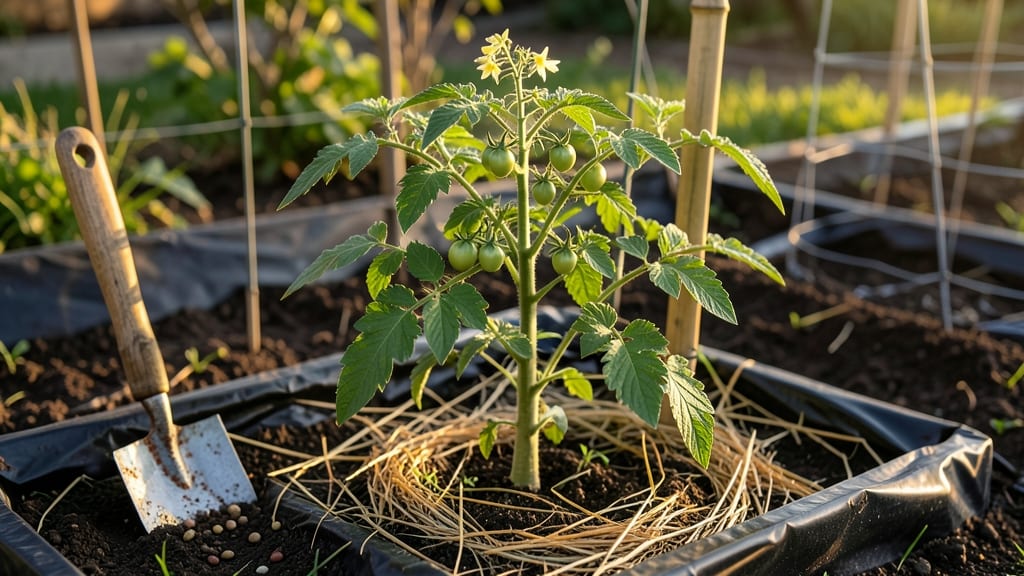
Planting fall tomatoes in South Texas isn't just possible—it's your secret weapon for a second harvest before winter sets in. With the right timing, you can enjoy juicy 🍅 tomatoes from October through December, beating the frost that threatens other regions.
But here's the catch: getting those seedlings in the ground too early means battling summer heat, while planting too late risks frost damage before your tomatoes mature. The sweet spot? Mid-August to early September gives your plants 60-90 days to thrive before the first chill arrives.
I've grown tomatoes in South Texas for years, and I'll share exactly how to time your transplants for maximum success—plus the best varieties that handle our unique climate.
Whether you're in Houston, San Antonio, or the Rio Grande Valley, these tips will help you avoid common mistakes and extend your harvest longer than you thought possible.
Ready to turn your fall garden into a tomato powerhouse? Let's dive into the exact transplant windows, soil prep secrets, and cold-hardy varieties that will keep your plants producing until winter's first frost.
Optimal transplant windows for fall tomatoes in South Texas regions
South Texas isn't one-size-fits-all when it comes to fall tomato planting. The Rio Grande Valley (Zone 10a) has a longer frost-free season, while Houston and San Antonio (Zone 9a) face earlier cold snaps.
Your transplant timing should align with your local first frost date—typically December 1-15—and give plants 60-90 days to mature.
For Houston and San Antonio, aim to transplant mid-August to early September. This gives your plants enough time to establish roots before temperatures drop. In the Rio Grande Valley, you have more flexibility—planting through early October is often safe, thanks to milder winters.
I always check the National Weather Service for my area's 30-year frost averages before planting. A 5-day forecast showing dropping nighttime temps below 50°F (10°C) means it's time to rush your transplants or use protective measures.
Another critical factor is heat tolerance. Early August transplants may struggle with 90°F+ (32°C+) soil temps, leading to poor root establishment. Wait until daytime highs dip to 85°F (29°C) or lower for optimal success.
Here's my foolproof rule: Count backward 70 days from your area's average first frost date. That's your last safe transplant date. For example, if frost hits December 10, transplant by October 1.
| Region | USDA Zone | Ideal Transplant Window | Last Safe Plant Date | Key Consideration |
|---|---|---|---|---|
| Houston | 9a | Mid-August to early September | September 15 | Frost risk by December 1 |
| San Antonio | 9a | Late August to early September | September 10 | Soil stays warm longer |
| Rio Grande Valley | 10a | Late August to early October | October 15 | Milder winters extend season |
🌱 Pro Tip: Use black plastic mulch to warm soil in early fall transplants
For heirloom varieties, which take longer to mature (80-90 days), stick to the earlier transplant window (mid-August). Hybrid varieties like 'Heatmaster' or 'Solar Fire' can handle slightly later plantings (early September) due to their disease resistance and faster growth.
I once planted Cherokee Purple heirlooms in early September in San Antonio, and they barely ripened before frost. Lesson learned: When in doubt, plant earlier—you can always prune excess fruit to focus energy on ripening existing tomatoes.
Finally, monitor your plants for early blight in fall's cooler, wetter mornings. Remove any lower leaves touching damp soil and space plants 18-24 inches apart for airflow. With the right timing, you'll be harvesting sun-ripened tomatoes straight through November!
Optimal transplant windows for fall tomatoes in South Texas regions
South Texas isn't one-size-fits-all when it comes to fall tomato planting. The Rio Grande Valley has a longer frost-free season than Houston or San Antonio, meaning you can push your transplant window later.
For example, Valley gardeners can safely plant until mid-September, while Central Texas should aim for early September to avoid early cold snaps.
Your goal is to give tomatoes 60-90 days of warm weather before the first frost. In USDA Zones 9a-10a, this typically means transplanting between mid-August and early September. But don't just guess—check your local frost date averages.
For instance, San Antonio's average first frost is December 1, while Brownsville in the Valley rarely sees frost before January 15.
Here's where variety choice matters. Heirloom tomatoes like 'Cherokee Purple' need 85-90 days to mature, so they're better suited for early August transplants in Central Texas. Meanwhile, heat-tolerant hybrids like 'Heatmaster' or 'Solar Fire' can handle September transplants and still produce in cooler weather.
| Region | Optimal Transplant Window | Frost-Free Days After Planting | Best Varieties |
|---|---|---|---|
| Rio Grande Valley | Mid-August to mid-September | 90-120 days | 'Solar Fire,' 'Heatmaster' |
| San Antonio/Austin | Early to mid-August | 75-90 days | 'Mountain Merit,' 'Celebrity' |
| Houston/Galveston | Late July to early August | 60-75 days | 'Early Girl,' 'Better Boy' |
Pro tip: Use black plastic mulch to warm the soil and extend your transplant window by 1-2 weeks. I've seen gardeners in the Valley push transplants into early October with this trick.
Just remove the mulch 2-3 weeks before expected frost to let the soil cool naturally and prevent rot.
Watch for soil temperatures too—tomatoes need soil at 60°F or warmer to thrive. In late summer, South Texas soils can still be scorching, so water your planting holes 24 hours before transplanting to cool them down. I've had transplants shock and wilt when moved into dry, hot soil.
Remember, late August is your last chance for a reliable fall harvest in most of South Texas. After that, you're playing frost roulette unless you're using row covers or cold frames. Start your seeds indoors 6-8 weeks before your target transplant date to give yourself flexibility.