
Flowers
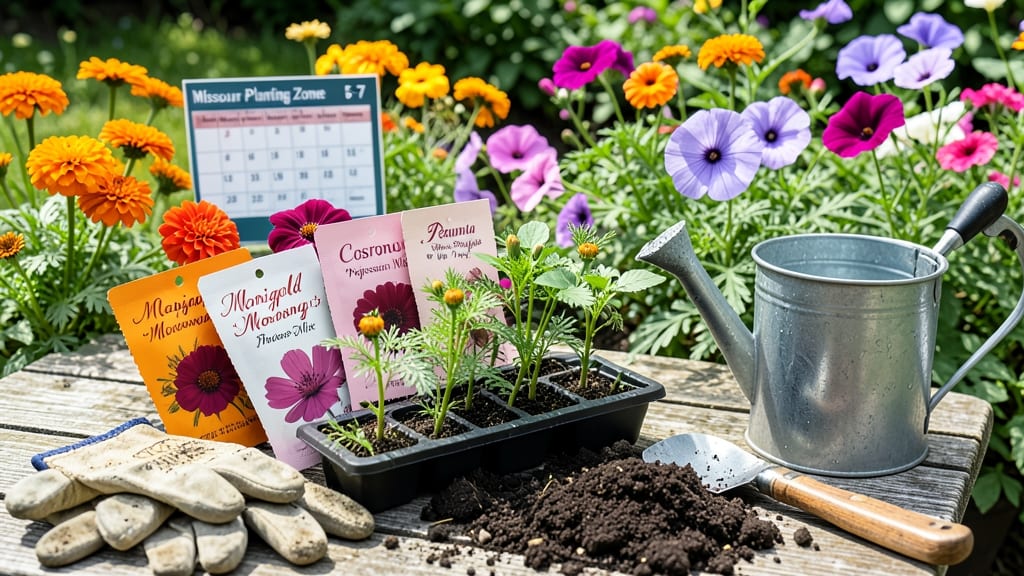
Timing when to plant flower seeds in Missouri just right means the difference between a garden bursting with color and one that never quite takes off. The wrong move—planting too early or too late—can leave your seedlings vulnerable to frost or struggling in the heat, wasting your time and effort.
Missouri’s 5b-6b climate gives you two prime windows: spring (March–May) and fall (August–September), but getting the exact timing right depends on where you live in the state.
Whether you’re growing hardy perennials like coneflowers or tender annuals like marigolds, knowing when to start seeds indoors or directly in the soil is the key to success.
I’ll break down the critical frost dates for your region, show you how to adjust for microclimates, and give you a foolproof schedule for planting everything from sun-loving cosmos to shade-tolerant impatiens. No more guessing—just vibrant blooms all season long.
Ready to transform your garden? Let’s dive into the exact steps to plant your flower seeds at the perfect moment, so you can enjoy a showstopping display from spring through fall.
Missouri’s frost dates by region: the critical timeline for flower seed planting
Missouri’s USDA Hardiness Zones 5b-7a create dramatic differences in frost timing—northern regions like St. Joseph average April 25 for last frost, while southern areas like Poplar Bluff see March 20.
These dates separate success from disappointment for your flower seeds. Microclimates (urban heat islands vs. rural valleys) can shift frost dates by 1-2 weeks, so local observations matter.
For cool-season flowers like pansies or snapdragons, start seeds indoors 6-8 weeks before your last frost date. In Zone 5b, that’s mid-February; in Zone 7a, late January.
Warm-season beauties like marigolds or zinnias need soil temps above 60°F, so wait until after April 15 in most areas—except southern Missouri, where March 30 works.
Missouri’s first fall frost typically arrives October 15-25, but mountain regions like Branson can see frost as early as September 20. This window is perfect for fall-planted perennials like coreopsis or black-eyed Susans, which establish roots before winter.
Use these dates as your planting deadlines—not as suggestions.
🌱
Missouri’s 2024 frost data shows 30% variability from averages—some years, St. Louis sees frost in May, while others escape until June 1. To hedge your bets, use frost cloth for 3-4 weeks after your target planting date.
For tender annuals like petunias, wait until May 10 in northern Missouri to avoid late-spring freezes.
Soil temperature is more critical than air temperature. Use a soil thermometer to confirm 60°F+ before
Best flower seed planting schedule by variety type: cool vs. warm season flowers
Missouri gardeners need to categorize their flower seeds into cool-season and warm-season varieties to align planting with soil temperatures and frost risks. Cool-season flowers thrive in 50–65°F soil and can handle light frosts, while warm-season flowers need 60–75°F soil and won’t tolerate cold snaps.
Here’s how to match each type to Missouri’s planting windows.
For cool-season annuals like pansies and snapdragons, start seeds indoors by mid-March or sow directly in garden beds after the last frost date (around April 15).
These hardy blooms often rebloom in fall if planted again in early September. Perennials like coneflowers can be sown directly in spring or fall—just ensure soil temps stay above 40°F.
Warm-season favorites like marigolds and cosmos demand patience—wait until after May 1 when nighttime temps stay above 55°F. These heat-lovers perform best when soil is warm, so test with a soil thermometer (aim for 60°F+). Succession planting every 2 weeks ensures continuous blooms through summer and early fall.
🌱 Missouri Flower Planting Guide by Variety
| Variety | Type | Planting Window | Soil Temp | Notes |
|---|---|---|---|---|
| Pansies | Cool-season Annual | March–April, Sept | 50–65°F | Tolerates light frost |
| Marigolds | Warm-season Annual | May–June | 65–75°F | Deters pests |
| Coneflowers | Perennial | Spring/Fall | 40–60°F | Drought-tolerant |
| Cosmos | Warm-season Annual | May–July | 60–70°F | Self-seeds easily |
| Black-eyed Susan | Perennial | Spring/Fall | 50–65°F | Attracts pollinators |
Missouri’s microclimates can shift planting windows by 1–2 weeks. Urban areas like St. Louis (Zone 6b) often warm up faster than rural Northeast Missouri (Zone 5b). Use a frost calendar or local weather alerts to adjust timelines—late frosts in May can still threaten tender seedlings.
For container gardening, warm-season flowers like petunias can be started indoors in late March and transplanted after the last frost. Containers heat up faster, so monitor soil temps closely. Mulch heavily to maintain warmth and moisture, especially in sandy Missouri soils that dry out quickly.
Pro tip: Mark your calendar for August 15—this is the ideal cutoff for sowing fall-blooming annuals like calendulas or stocks. These varieties need 6–8 weeks to mature before first frost (typically October 15), so don’t wait too long!