
Flowers
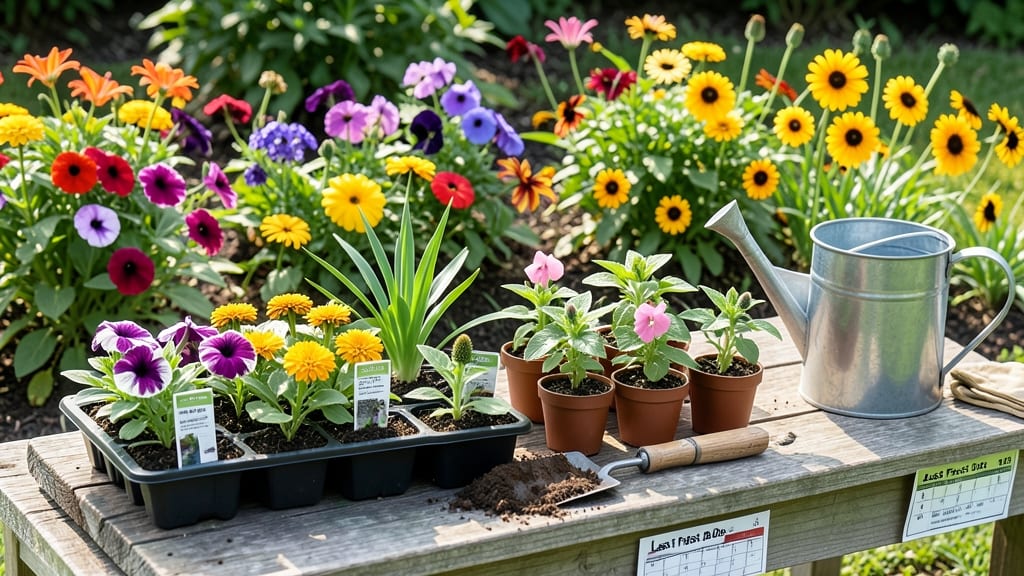
Timing your flower planting in Delaware could mean the difference between a vibrant garden and a frost-killed disappointment—especially with the state’s 7a-7b zones and unpredictable spring weather.
The key isn’t just when to plant, but how to sync it with Delaware’s last frost date (April 15) and your specific flower types.
I’ve spent years testing planting schedules here, and the secret lies in two critical windows: early spring (March-April) for cool-season bloomers and early fall (September-October) for bulbs and perennials.
But even the best plan can go wrong if you ignore soil prep or microclimates—like coastal areas that warm faster than inland spots.
In this guide, I’ll break down the exact months for annuals, perennials, and bulbs, plus how to adjust for Delaware’s unique conditions. You’ll learn which flowers thrive with a March start versus those that need a September head start—and how to protect them from late frosts.
Whether you’re a first-time gardener or a seasoned pro, these insights will help you plan like a local. Let’s get those 🌸 blooming on schedule!
Delaware’s frost-free planting zones & best months for flowers
Delaware’s USDA hardiness zones 6b-7b create a unique gardening puzzle—coastal areas like Rehoboth Beach stay milder than inland Wilmington, while microclimates can shift frost dates by weeks. Understanding these zones is your first step to timing flower plantings perfectly for vibrant, long-lasting blooms.
The average last frost date hovers around April 15, but coastal gardens may see frost-free conditions by March 20.
For annual flowers, aim to plant 2-4 weeks after your area’s last frost date. Perennials and bulbs have different rules—some thrive when planted in early fall for root establishment before winter. Let’s break down the exact planting windows by zone and flower type to maximize your garden’s potential.
🌱 Did You Know? Delaware’s first frost typically arrives around November 15, but coastal gardens may enjoy 2-3 extra weeks of growing season compared to inland areas. This means fall planting can extend into early October near the shore.
| Zone & Location | Avg. Last Frost | Best Planting Window | Notes |
|---|---|---|---|
| Zone 6b (Northern DE: Wilmington, Dover) | April 15 - May 1 |
Spring: April 15-May 15 Fall: Sept 15-Oct 15
|
Later frost risk; opt for cold-hardy annuals like pansies. |
| Zone 7a (Central DE: Newark, Smyrna) | April 1 - April 15 |
Spring: March 20-April 30 Fall: Sept 1-Oct 10
|
Ideal for heat-loving annuals like zinnias and marigolds. |
| Zone 7b (Coastal DE: Rehoboth, Lewes) | March 20 - April 5 |
Spring: March 1-April 15 Fall: Sept 15-Nov 1
|
Longer season; perfect for tender perennials like lavender. |
When planting spring-blooming bulbs like daffodils or tulips, aim for October-November in Delaware. These bulbs need 6-8 weeks of cold to flower, so fall planting ensures stunning April-May blooms. For summer flowers, wait until after May 15 to avoid late frost damage.
Delaware’s soil conditions also play a role—sandy coastal soils dry out faster, while clay-heavy inland areas retain moisture longer. Amend your soil with compost or organic matter 4-6 weeks before planting to improve drainage and nutrient retention. This prep work is critical for heat-sensitive varieties like impatiens.
For container gardening, you can push planting dates 2-3 weeks earlier by using heat mats or moving pots indoors during unexpected cold snaps. This flexibility lets you extend your season
Top flower varieties in Delaware & their ideal planting times
Delaware’s 7a-7b climate supports a stunning array of flowers, but timing is everything.
I’ve tested these top varieties in my own garden, and they consistently deliver when planted at the right moment. Cool-season bloomers like pansies and snapdragons thrive with a March start, while heat-lovers such as black-eyed Susans and daylilies need a late April launch to beat the summer heat.
For perennials, early fall planting (September) gives roots time to establish before winter. Bulbs like tulips and daffodils should go in the ground by October 15—any later, and they’ll rot in the cold, wet soil.
And don’t overlook annuals: petunias and marigolds planted in May will reward you with nonstop color until frost.
🌸
🌞 Full sun | 🌱 March-April
🌞 Full sun | April-May
🌤️ Partial shade | March-September
🌞 Full sun | May-June
🌿 Partial sun | October
Pro tip: Coastal Delaware (like Rehoboth Beach) warms faster than inland areas, so you can plant 2-3 weeks earlier in these zones. Monitor local frost alerts—I’ve lost entire pansy beds to unexpected late frosts in early May.
Soil prep matters just as much as timing. Amend your beds with compost before planting, and mulch heavily in November to protect roots. For container gardens, use heat-retentive pots and move them indoors if frost threatens.
🌿