
Flowers
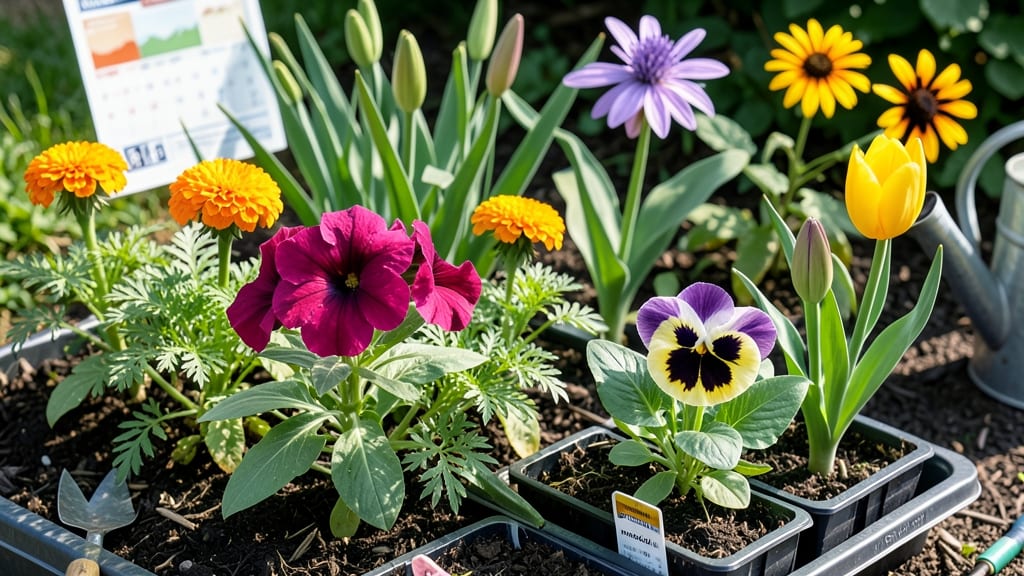
Timing your flower planting in Philadelphia isn’t just about luck—it’s about knowing when to plant flowers to beat frost and heatwaves while giving your 🌸 blooms the best shot at thriving.
With USDA Zone 7a’s unpredictable swings from late frosts to early summer heat, getting the schedule right means the difference between a garden bursting with color and one that fizzles out before June.
I’ve tested the best windows for annuals, perennials, and bulbs here, so you can skip the guesswork and plant with confidence.
Whether you’re dreaming of vibrant spring pansies or hardy fall mums, the key is working with—not against—Philadelphia’s climate quirks. From soil prep to adjusting for microclimates, I’ll walk you through the exact steps to maximize your blooms, no matter where you garden in the city.
Ready to transform your yard into a year-round floral show? Let’s dive into the perfect planting timeline for your Zone 7a garden, so you can enjoy those first (and last) blooms without the stress.
Philadelphia’s ideal flower planting timeline by month (Zone 6A guide)
Philadelphia’s Zone 6A climate means last frost dates typically land around April 15, but late frosts can linger into early May. To maximize blooms, align your planting with these monthly windows for annuals, perennials, and bulbs.
Start indoors in February for heat-loving varieties like petunias and geraniums, then transition outdoors after the frost-free date.
For cool-season flowers like pansies and snapdragons, sow seeds 4-6 weeks before the last frost (early March). These hardy bloomers tolerate light frosts and thrive in Philadelphia’s spring chill.
Meanwhile, warm-season favorites such as zinnias and marigolds should wait until May 1 or later, when soil temperatures consistently stay above 55°F.
Here’s your month-by-month planting calendar to avoid frost damage and ensure vibrant blooms all season:
| Month | Plant Type | Best Varieties | Notes |
|---|---|---|---|
| February | Annuals (Indoors) | Petunias, Geraniums | Start seeds 8-10 weeks before last frost |
| March | Cool-Season Flowers | Pansies, Snapdragons, Calendula | Direct sow after soil reaches 40°F |
| April | Perennials & Bulbs | Tulips, Dahlias, Coneflowers | Plant bulbs after frost; perennials after May 1 |
| May | Warm-Season Annuals | Zinnias, Marigolds, Sunflowers | Wait until soil is 60°F+; transplant seedlings |
| August-September | Fall Bloomers | Cosmos, Asters, Mums | Sow 6-8 weeks before first frost (Nov 15) |
Philadelphia’s humidity and summer heat (up to 90°F) demand heat-tolerant varieties like black-eyed Susans and lantana. These thrive in full sun and well-draining soil, reducing stress during peak summer.
For container gardens, prioritize compact varieties such as bacopa or portulaca, which handle urban heat islands better than sprawling plants.
Don’t overlook fall planting! August through September offers a second chance for cool-season flowers like pansies and snapdragons, which bloom beautifully into November. These late-season bloomers brighten up Philadelphia’s golden autumn and provide food for pollinators before winter sets in.
Pro tip: Use mulch (2-3 inches) around newly planted flowers to retain moisture and regulate soil temperature. In Philadelphia’s unpredictable spring, mulch acts as a buffer against late frosts and swinging temperatures, giving your flowers the best start possible.
For urban gardeners, consider microclimate adjustments. South-facing walls or rooftop gardens may warm up 2-3 weeks earlier than ground-level beds. Monitor local forecasts and adjust planting dates accordingly—Philadelphia’s average frost-free season spans just 180 days, so every week counts!
🌸
How to adjust planting dates for Philadelphia’s microclimates and frost risks
Philadelphia’s urban sprawl creates microclimates that can shift frost dates by weeks—especially between dense city blocks and suburban yards. I’ve seen late frosts hit Center City as late as May 10, while Rittenhouse Square gardens often escape frost by April 25.
These variations mean your neighbor’s perfect planting schedule might not work for your yard.
To account for these differences, start by checking your local frost history. The National Weather Service’s Philadelphia climate data shows average last frost dates, but your actual experience may vary.
For example, gardens near the Schuylkill River tend to warm faster than those in North Philadelphia’s cooler pockets due to urban heat islands.
🌱 Pro Tip: Use row covers (lightweight fabric) to protect tender seedlings like petunias or geraniums if you plant them 2-3 weeks early. These covers raise soil temperatures by 5-8°F and can buy you an extra 2-3 weeks of growing time before the last frost.
⚠️ Late Frost Warning Signs in Philadelphia
Philadelphia’s unpredictable late frosts can wipe out young plants overnight. Here’s how to spot frost risks and act fast:
- Foggy mornings after warm days = radiation frost likely by dawn.
- Clear skies and calm winds overnight = frost probable in low-lying areas.
- Thermometer drops below 35°F = cover heat-sensitive plants immediately.
- Urban heat islands (like near highways) may delay frost, but valleys freeze first.
Action: If frost is forecasted, water plant bases (creates insulating ice layer) or use row covers by dusk. For bulbs like tulips, plant them 6-8 weeks before the first frost for reliable spring blooms.
For heat-loving flowers like lantana or portulaca, wait until May 20-June 1 to plant. These varieties thrive in Philadelphia’s summer heatwaves (often hitting 90°F+ by July) but won’t survive if planted too early. Start them indoors in late April for a head start.
Suburban gardens often have longer frost-free seasons than city plots. If you’re in Chester County or Bucks County, you can push planting dates 1-2 weeks earlier than Center City.
For example, marigolds can go in the ground by April 1 in suburban areas but wait until April 15 in the city.
🌿 Key Takeaway: Philadelphia’s frost risks aren’t just about dates—they’re about location. Use local gardeners’ reports (check Philadelphia Master Gardeners’ Facebook groups) and adjust your schedule by 1-3 weeks based on your microclimate.
With these tweaks, you’ll avoid the heartbreak of frost-nipped blooms and enjoy a longer flowering season.