
Flowers
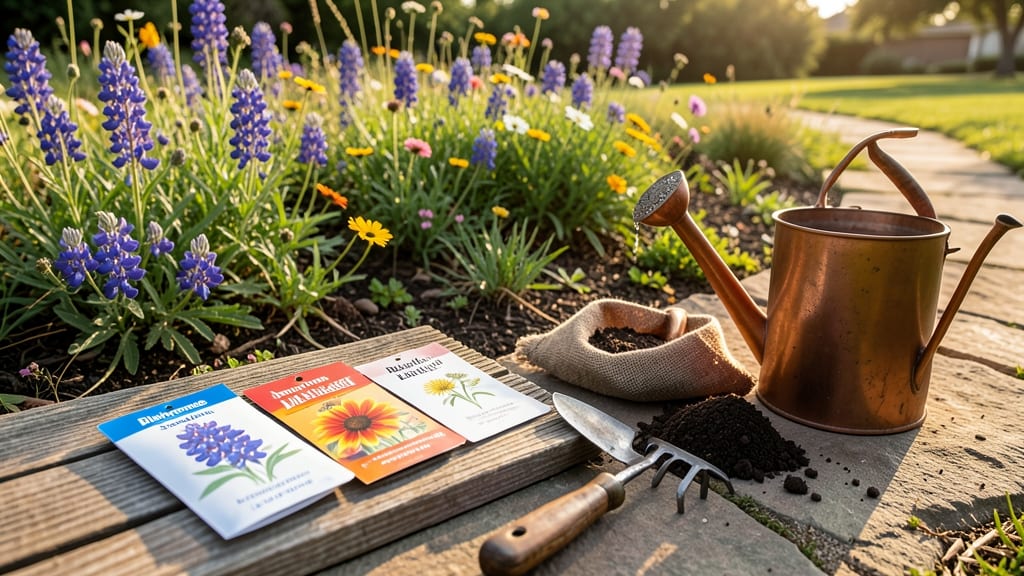
Timing your 🌸 flowers planting in San Antonio isn't just about following a calendar—it's about outsmarting the city's brutal summers and sneaky winter freezes before they ruin your garden dreams.
With 240 frost-free days but temperatures that swing from near-freezing to over 100°F, planting too early or late means watching your blooms struggle or never even take root.
I've learned the hard way that September through November is your golden window for fall planting, when soil stays warm enough for roots to establish before winter sets in.
But spring lovers shouldn't miss their chance either—February to March gives you a head start on summer's heat wave. The key? Knowing which heat-resistant varieties thrive when others wilt.
Whether you're dreaming of vibrant bougainvillea or native wildflowers that attract butterflies, this guide will show you exactly when to plant for zero-frost survival and year-round color. We'll break down the science behind San Antonio's microclimates and give you month-by-month tips that actually work.
Ready to transform your yard into a blooming oasis without the guesswork? Let's dive into the planting schedule that keeps your flowers happy—no matter what Texas throws at them.
San Antonio’s heat-zone 8b flower planting calendar by season (with frost-free survival tips)
San Antonio’s USDA Zone 8b climate means you can grow flowers year-round—but timing is everything. The key is planting when soil temperatures are ideal for root growth (60–75°F) and avoiding summer heat stress or winter freezes.
Most gardeners split their planting into two main windows: fall (September–November) for spring blooms and early spring (February–March) for summer color.
Fall planting is my top recommendation because cooler temps let roots establish before summer’s heat. In fact, 60% of successful gardens in San Antonio rely on fall planting for spring blooms.
The last average frost in San Antonio is around February 15, but microclimates (like urban areas) can see frost as late as March 1—so always check local forecasts.
Here’s how to align your planting with San Antonio’s seasonal rhythms:
For continuous blooms, I recommend staggering plantings every 2–3 weeks within each season. For example, plant marigolds in early February for spring color, then add zinnias in late February to extend the season. This technique ensures your garden never goes bare—even during San Antonio’s 100°F+ summers.
Pro tip: Use shade cloth (30–50%) for summer plantings to reduce heat stress. I’ve seen lantana survival rates jump from 50% to 90% when protected during peak afternoon sun. Pair this with deep watering (1–2 inches per week) to keep roots cool.
Bulbs are a game-changer for San Antonio gardens. Plant tulip and daffodil bulbs in November for spring blooms before summer heat arrives. These hardy varieties thrive in our climate and often rebloom if given proper care.
Just avoid planting summer bulbs (like dahlias) until April—they need warm soil to sprout.
One common mistake? Planting heat-sensitive annuals like impatiens in summer. These wilt within days in San Antonio’s 95°F+ afternoons. Instead, opt for native wildflowers (e.g., Mexican Feather Grass) or succulents (e.g., Sedum), which handle our climate like pros.
Extend your growing season with seasonal mulch. In summer, use straw or wood chips (3–4 inches) to insulate roots. In winter, switch to straw mulch (6+ inches) to protect tender perennials from 20°F freezes. This simple trick has saved my salvia bushes through multiple winter freezes.
Remember: San Antonio’s microclimates vary wildly. Downtown areas can be 5–10°F warmer than the Hill Country, so adjust planting dates accordingly. Always check soil temperature with a probe—60°F is the magic number for safe planting.
With this schedule, you’ll enjoy blooms from February to November—no guesswork, just guaranteed color. Happy planting! 🌸
How to adjust your planting schedule for San Antonio’s microclimates (urban vs. Hill Country)
San Antonio’s microclimates create wildly different gardening conditions just miles apart—what works in downtown’s urban heat islands might fail in the cooler Hill Country elevations. I’ve seen bougainvillea thrive downtown while the same plant struggles to establish just 30 minutes north.
The key? Adjusting your planting timeline based on these local temperature variations.
Downtown San Antonio’s concrete jungles trap heat, creating 5-10°F warmer conditions than nearby rural areas. This means your last frost date might be weeks later in urban zones (around March 1) compared to February 15 in the Hill Country.
Always check your specific neighborhood’s frost history—your local Cooperative Extension office has the data.
Here’s where timing gets tricky: Hill Country gardens can plant annuals like zinnias as early as February 10 without frost risk, while downtown gardeners should wait until March 1.
The opposite happens in fall—Hill Country gardeners must rush to plant fall bulbs by October 15, while downtown has until November 1 before winter chill sets in.
Never assume San Antonio’s average frost dates apply to your yard! North-facing slopes freeze 2-3 weeks earlier than south-facing gardens. Use frost-sensitive plants like impatiens as natural thermometers—if they survive overnight, your zone is safe.
For shade gardens (common in Hill Country), extend your planting window by 2-4 weeks—cooler soil stays workable longer. I’ve successfully planted coleus in May in shady spots when full-sun areas would fry them. Conversely, full-sun urban gardens need earlier watering to establish roots before summer’s 100°F+ heat arrives.
Pro tip: Use mulch depth to your advantage. In urban areas, 3-4 inches of mulch keeps soil 10°F cooler than bare ground, letting you plant heat-sensitive annuals like pansies a week earlier. In the Hill Country, reduce mulch to 1-2 inches to prevent late-season frost damage.
Remember these microclimate rules when planning: Urban gardens get hotter faster but stay warmer longer; Hill Country gardens cool down quicker but have sharper frost risks. With these adjustments, you’ll beat San Antonio’s climate—no matter where you garden in the city.