
Plants
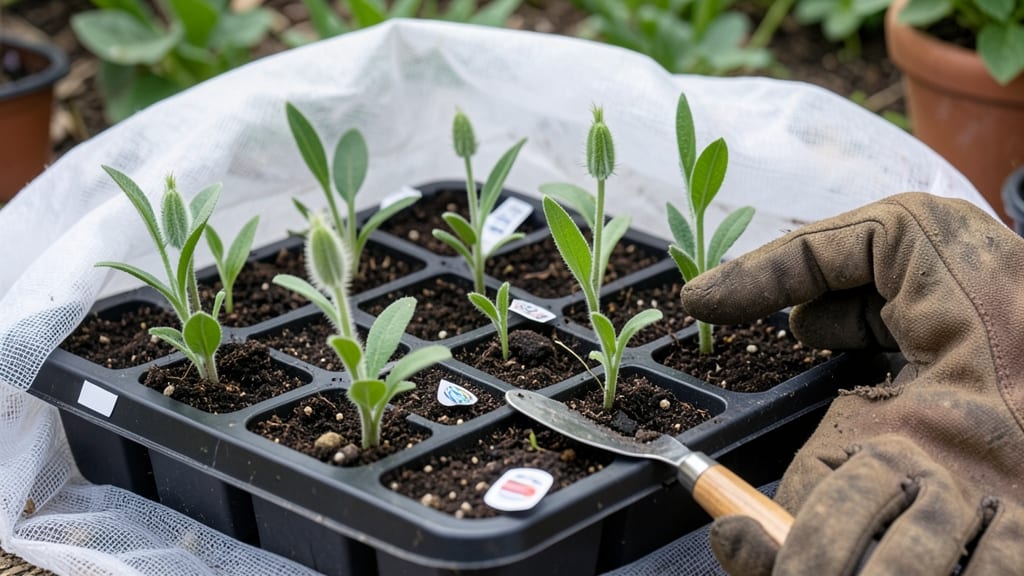
Planting foxglove seeds at the wrong time in Zone 7 can mean waiting years for those stunning 🌸 blooms—or never seeing them at all.
The key to success lies in a late summer to early fall window, when soil temperatures drop just enough to trigger germination without smothering the delicate seedlings.
Unlike many annuals, foxglove thrives on patience—it won’t bloom until its second year, but getting the timing right now means faster growth and stronger plants ready to face Zone 7’s unpredictable springs.
I’ll show you exactly when to sow, how to use a cold frame to outsmart frost, and why direct sowing beats indoor starts for this finicky beauty.
Most gardeners overlook the cold-frame trick that can cut germination time in half, but it’s the secret weapon for Zone 7 growers.
Whether you’re dealing with early frosts or stubbornly slow seeds, these proven methods will have your foxglove off to a flying start—no more waiting two years for a single bloom.
Ready to transform those tricky seeds into towering summer stars? Let’s dive into the exact steps that’ll have your foxglove thriving when others give up.
Optimal planting timeline for foxglove seeds in Zone 7 (with frost date adjustments)
Foxglove (Digitalis spp.) thrives in Zone 7, but its biennial growth habit means seed timing is everything. Unlike annuals, foxglove seeds need 60–90 days of cool soil to germinate—something Zone 7’s unpredictable spring often disrupts.
The key? Planting in late summer to early fall (August–September) to mimic natural fall conditions.
Zone 7’s last frost date (April 15–May 15) is irrelevant for foxglove seeds—soil temperature matters more. Aim for 50–60°F soil (10–15°C), which typically aligns with late August in most Zone 7 regions. This gives seedlings time to establish roots before winter and bloom in their second spring.
A cold frame or unheated greenhouse extends your planting window by 4–6 weeks. Without one, stick to August 1–September 15 for direct sowing. If you miss this window, stratify seeds indoors (see next section) to simulate winter chilling.
Here’s the Zone 7 foxglove planting timeline broken down by month, including soil prep and germination triggers:
Pro tip: Use a soil thermometer to confirm 50°F+ soil before planting. In Zone 7’s humid summers, foxglove seeds rot if soil stays too warm (>70°F). Shade cloth (30–50%) helps regulate temperature.
If you’re in northern Zone 7 (e.g., near the Cincinnati or Louisville areas), push planting to late August to avoid fall rains, which can cause seed rot. Southern Zone 7 (e.g., Atlanta or Raleigh) gardeners can start as early as mid-July.
Remember: Foxglove seeds won’t germinate in warm soil. If your Zone 7 spring arrives early (e.g., March blooms), delay planting until late summer to avoid premature sprouting that weakens seedlings.
Once planted, mulch with straw (2–3 inches) to insulate soil and retain moisture. This mimics natural forest floor conditions, where foxglove thrives in the wild.
🌱
Optimal planting timeline for foxglove seeds in Zone 7 (with frost date adjustments)
Foxglove seeds thrive best when sown at the right time in Zone 7, where last frost dates typically fall between April 15–May 15. However, the key to faster germination lies in planting them late summer to early fall—a strategy that mimics their natural fall germination cycle.
This timing ensures seeds experience a cool stratification period, breaking dormancy more reliably than spring sowing.
For Zone 7 gardeners, the ideal window is mid-August to early September.
Planting too early risks premature sprouting before winter, while waiting too long may delay germination until the following spring. Cold frames can extend this window by 2–4 weeks, creating a microclimate that speeds up the process.
| Stage | Action | Zone 7 Timing |
|---|---|---|
| Soil Prep | Loosen soil, mix in compost | July–early August |
| Seed Sowing | Direct sow 1/4" deep | Mid-August–early September |
| Cold Frame | Cover with clear lid | After sowing (until spring) |
| Germination | 4–12 weeks (varies) | Late fall–early spring |
| Transplant | Avoid if possible (foxglove hates disturbance) | Never (direct sow preferred) |
One critical factor is soil temperature. Foxglove seeds germinate best when soil is between 50–60°F. In Zone 7, this typically occurs in late August to September, aligning with cooler autumn temperatures.
If your soil runs warmer, delay planting until temperatures drop closer to 60°F—a simple soil thermometer check can save weeks of waiting.
Zone 7’s unpredictable spring frosts can also derail germination if seeds sprout too early. Planting in fall ensures seedlings establish roots before winter, then resume growth in spring when temperatures stabilize. This two-year cycle is natural for foxglove, which blooms in its second year after sowing.
For gardeners in warmer microclimates within Zone 7, consider shade cloth to cool soil during late summer. Conversely, those in cooler pockets may push sowing to early August to capitalize on lingering summer warmth. Always monitor local frost forecasts—a late September frost can stall germination until spring.
Pro tip: Mark your foxglove seed beds with stakes to avoid disturbing them. Since foxglove hates transplanting, direct sowing is the only reliable method.
Patience is key—these seeds may take up to 12 weeks to sprout, but the payoff is worth it for those striking bell-shaped blooms in year two. 🌸