
Planting
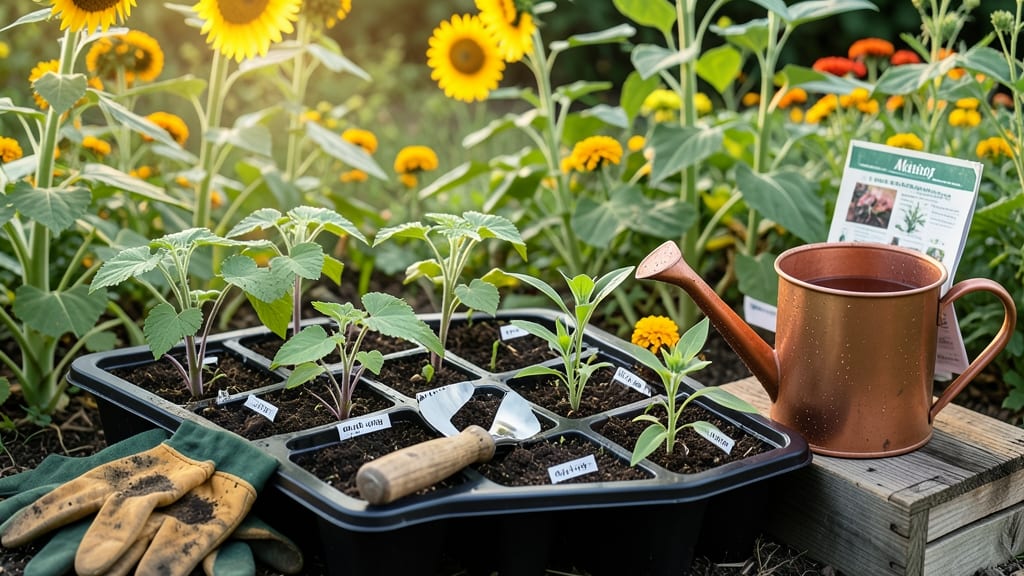
Timing your garden planting in Missouri can feel like playing a high-stakes game of chance—one wrong move, and frost will turn your tender 🌱 General Garden Plants (Missouri) into sad, icy snacks.
But with the right start dates for your Zone 5b-6b region, you can outsmart Mother Nature and enjoy a thriving garden all season long.
Missouri’s unpredictable spring weather makes it tricky to know exactly when to plant garden without risking frost damage. Whether you're growing vegetables, flowers, or perennials, getting the timing right means the difference between a bumper crop and wasted effort.
Let’s break down the ideal planting windows so you can start confidently.
From cool-season crops like lettuce and peas to warm-season favorites such as tomatoes and peppers, each plant has its own perfect window.
In Missouri, that means planting cool-season crops 4-6 weeks before your last frost date—typically late March to early April—and warm-season crops 2-3 weeks after, usually mid-May to early June.
We’ll also cover how to adjust for Missouri’s microclimates, whether you’re in St. Louis, Kansas City, or somewhere in between. With these tips, you’ll know exactly when to put your 🌱 General Garden Plants (Missouri) in the ground for the best results—no guesswork required!
Missouri planting timeline by season: frost dates and safe start windows
Missouri’s Zone 5B/6A climate means your planting schedule hinges on last frost dates that shift between St. Louis (April 15) and Kansas City (April 20). Northern Missouri gardeners should wait an extra week, while southern regions can start slightly earlier.
These dates separate cool-season crops (like lettuce and peas) from warm-season plants (tomatoes, peppers) that need soil temperatures above 55°F.
Your first frost typically arrives around mid-October, giving you a 165-day growing season—plenty of time for two full harvests if you plan smartly.
For example, broccoli thrives when planted 4-6 weeks before last frost, while cucumbers need to wait until 2-3 weeks after those icy threats have passed. Microclimates matter too: urban areas may warm faster than rural spots.
Here’s your seasonal planting cheat sheet for Missouri’s most popular crops, organized by cool-season, warm-season, and perennial categories:
| Plant Type | Best Planting Window | Sunlight Needs | Soil Temp (°F) | Notes |
|---|---|---|---|---|
| Cool-Season Veggies (lettuce, spinach, peas) | March 15 - April 15 | Partial shade to full sun | 40-50°F | Tolerates light frost; succession plant every 2 weeks. |
| Warm-Season Veggies (tomatoes, peppers, beans) | May 1 - June 1 | Full sun (6+ hours) | 60-70°F | Wait until soil warms; use row covers for early starts. |
| Herbs (basil, cilantro, parsley) | April 1 - May 15 (cool) / June 15 (warm) | Full sun to partial shade | 50-65°F | Basil needs heat; cilantro bolts in summer. |
| Perennials (lavender, coneflowers, asclepias) | April 1 - May 15 | Full sun to partial shade | 50-60°F | Plant after last frost; mulch for winter protection. |
| Fall Crops (kale, carrots, radishes) | August 1 - September 1 | Full sun | 55-65°F | Extend season with cold frames; harvest before first frost. |
For container gardening, adjust your timeline by 2 weeks earlier—pots warm faster than soil. If you’re in northern Missouri (Zone 5B), err on the side of caution and wait until May 1 for warm-season crops, while southern Missouri (Zone 6A) gardeners can start April 15.
Always check your local Almanac frost forecast for real-time adjustments.
Pro tip: Use a soil thermometer to confirm warm-season plants are ready—tomatoes and peppers won’t thrive in cold soil, no matter how warm the air feels.
Aim for 60°F+ at a 4-inch depth before planting. If your soil is still chilly, opt for heat-tolerant varieties like ‘Heatmaster’ tomatoes or ‘Jalapeño M’ peppers.
Missouri’s summer heat (July-August) is perfect for succession planting of bush beans or zucchini, while fall crops like garlic and onions should be in the ground by October 1 to establish roots before winter.
Don’t forget perennials—they’re the backbone of your garden’s year-round beauty and can handle Missouri’s wild temperature swings.
Track your progress with a gardening journal to note when your local microclimate aligns with these guidelines. For example, St. Louis’ urban heat island may let you plant 1 week earlier than rural areas. By mastering these seasonal windows, you’ll turn Missouri’s unpredictable weather into a gardening advantage.
🌱
Missouri planting timeline by season: frost dates and safe start windows
Missouri’s Zone 5B/6A climate means your planting schedule hinges on last frost dates, which vary by region. In St. Louis (Zone 6A), the average last frost falls around April 15, while Kansas City (Zone 5B) typically sees its final frost by April 20.
These dates mark your cool-season planting deadline—any earlier, and you risk losing tender seedlings to late frosts.
For warm-season crops like tomatoes and peppers, wait until 2-3 weeks after your area’s last frost. This ensures soil temperatures stay above 60°F, which is critical for germination. In Missouri, that usually means planting late April to early May in most areas, with southern regions having a slight edge.
🌱 Pro Tip: Use Missouri’s microclimates to your advantage. South-facing slopes warm up faster, while low-lying areas hold frost longer. If you’re near rivers or lakes, expect slightly later frost dates due to moderating effects on temperature.
| Season | Planting Window | Key Crops | Soil Temp Requirement |
|---|---|---|---|
| Early Spring | Mid-March to April 15 | Peas, spinach, lettuce, onions | 40-50°F |
| Late Spring | April 20 - May 10 | Carrots, radishes, broccoli, cabbage | 50-60°F |
| Summer | May 15 - June 15 | Tomatoes, peppers, cucumbers, beans | 60°F+ |
| Fall | August 1 - September 15 | Kale, Brussels sprouts, beets, turnips | 50-60°F |
Fall planting is your second chance for a bountiful harvest. Aim to plant cool-season crops by September 1 to ensure they mature before the first frost, which typically hits mid-October.
Southern Missouri gardeners have until early October to plant hardy varieties like kale and spinach, while northern areas should wrap up by late September.
Missouri’s 165 frost-free days create a 100-day growing window for warm-season crops. Use this time wisely by planning succession plantings every 2-3 weeks for continuous harvests. For example, plant bush beans in early May, then again in early June for a late-summer crop.
🌿 Remember: Always check your local Almanac frost dates or use a soil thermometer to confirm conditions. Missouri’s weather is unpredictable—don’t let a late frost catch you off guard!