
Plants
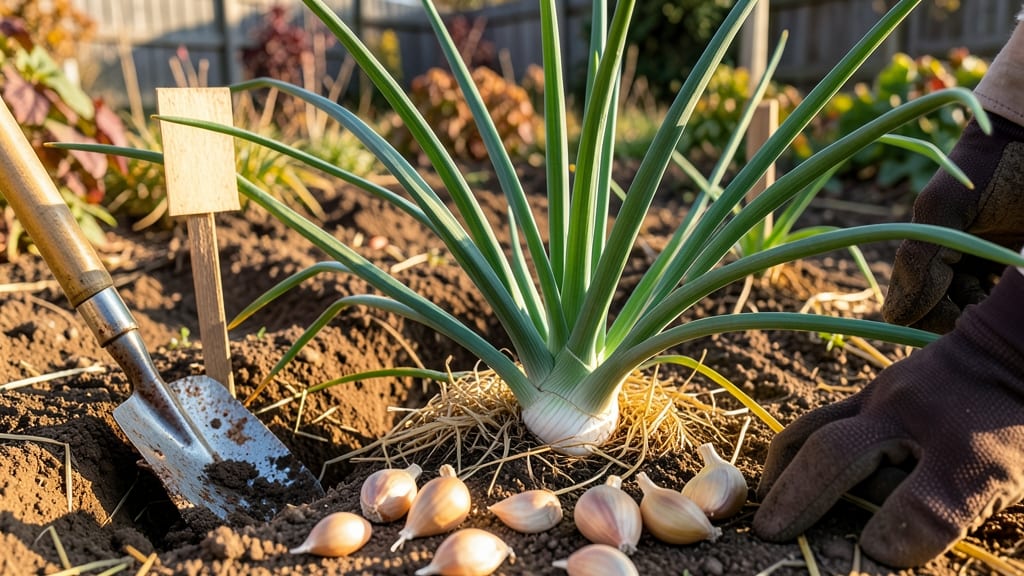
Planting garlic in the spring might seem like a risky move—after all, most gardeners swear by that cozy fall routine—but with the right timing and cold-hardy varieties, you can still grow bold, flavorful 🧄 bulbs even when winter lingers.
The key lies in understanding how your local frost dates and soil temperatures interact, especially in zones like 6a where spring arrives in fits and starts.
Spring-planted garlic thrives when you choose varieties bred to handle cooler weather, like hardneck types that develop scapes and robust cloves despite shorter growing seasons.
But here’s the catch: planting too late means your garlic won’t mature before summer heat sets in, leaving you with puny bulbs or no harvest at all.
In this guide, I’ll walk you through the exact window for spring planting—when to get those cloves in the ground for maximum success—plus soil prep tips that make all the difference.
Whether you’re a first-time gardener or a seasoned grower, these tricks will help you avoid common pitfalls and grow garlic that rivals your fall-planted friends.
Ready to turn spring’s unpredictable weather into your garlic’s greatest ally? Let’s dive into the strategies that’ll give you a harvest worth bragging about—no frost damage in sight.
Ideal spring planting windows for garlic by US hardiness zones
Spring garlic planting is possible, but timing depends on your USDA hardiness zone and local frost patterns. Unlike fall planting—which is ideal—spring garlic needs cold-hardy varieties and a strategy to avoid late frosts that can damage tender shoots.
In most regions, the best window is late winter to early spring, typically 4-6 weeks before your last frost date.
Garlic thrives in cooler temperatures, so planting too early (when soil is still cold) or too late (when soil warms) can stunt growth. For example, in Zone 5, aim for March 1-15, while Zone 8 gardeners should plant by February 15.
The key is planting when soil temps reach 40°F (4°C) but before active growth begins.
Here’s how to calculate your perfect planting window: Check your average last frost date (find it via the USDA Plant Hardiness Zone Map or local agricultural extension). Then, subtract 6-8 weeks—this gives you the optimal planting date.
For example, if your last frost is April 15, plant between February 15–March 1.
Spring-planted garlic may yield smaller bulbs than fall-planted varieties, but with the right cold-resistant types, you can still harvest flavorful cloves. Hardneck varieties like 'German White' or 'Music' handle spring conditions better than softneck types, which prefer milder winters.
Soil temperature is critical—garlic cloves won’t sprout until soil reaches 40°F (4°C). Use a soil thermometer to confirm readiness. If your soil is too cold, wait 1-2 weeks or use black plastic mulch to warm it faster.
Conversely, planting too late (when soil exceeds 50°F/10°C) can cause bolting (premature flowering), ruining your harvest.
Regional adjustments matter: In northern climates (Zones 3-4), plant as early as February to maximize cold exposure. In southern zones (7-8), where winters are mild, plant by January to avoid overheating. Always choose organic, disease-free cloves from hardneck varieties for best results.
Mulching is non-negotiable in spring. Apply 4-6 inches of straw or leaves after planting to insulate cloves from temperature swings and retain moisture. Remove mulch in early spring to allow sunlight to promote growth. Without mulch, garlic cloves may rot or dry out during unpredictable spring weather.
Watering strategies shift with the seasons. After planting, keep soil consistently moist but not soggy—aim for 1 inch of water weekly. Once shoots emerge (typically 4-6 weeks after planting), reduce watering slightly to prevent fungal diseases like white rot.
In drought-prone areas, drip irrigation works best to deliver water directly to roots.
Spring-planted garlic may not store as long as fall-planted bulbs, but you can still enjoy fresh, flavorful harvests by late summer or early fall. The trade-off?
Smaller bulbs but higher flavor intensity due to cooler growing conditions. For best results, pair spring planting with fall-planted garlic to extend your harvest window.
🌱
| USDA Zone | Ideal Planting Window | Soil Temp Requirement | Best Varieties | Harvest Time | ||||||||||||||
|---|---|---|---|---|---|---|---|---|---|---|---|---|---|---|---|---|---|---|
| 3-4 | Late February–Early March | 40–45°F (4–7°C) | German White, Russian Red | Late July–August | ||||||||||||||
| 5-6 | Mid-March–Early April | 40–45°F (4–7°C) | Music, Chesnok Red | Late July–Early August | ||||||||||||||
| 7-8 | January–Early February |
Ideal spring planting windows for garlic by US hardiness zonesSpring garlic planting works best when you align your schedule with your local last frost date and soil temperature. Unlike fall planting, spring garlic needs to establish roots before summer heat arrives. In USDA Zones 3-5, aim for planting between March 15 and April 15, while gardeners in Zones 6-8 should plant between February 15 and March 30. Garlic thrives when soil temperatures stay between 40°F and 50°F during germination. Use a soil thermometer to check—if temperatures rise above 55°F before sprouting, your cloves may rot. In colder zones, wait until the ground thaws but still holds moisture. Your local frost dates are your best guide. Plant garlic 4-6 weeks before your last expected frost to give roots time to establish. For example, in Zone 6a, with an average last frost of April 15, plant between March 1 and March 15 for optimal success.
Hardneck varieties like Rocambole and Purple Stripe are ideal for spring planting because they mature faster and handle cooler temperatures better than softnecks. If you’re in a warmer zone (Zone 9+), consider planting in late winter to avoid summer heat stress. Pro tip: Use a planting calendar or local agricultural extension service to pinpoint your exact last frost date. Even a 1-2 week delay can reduce bulb size significantly. For example, planting in Zone 6a after April 1 can mean bulbs that never fully mature. Once planted, mulch with straw or leaves to maintain even soil temperatures and prevent weeds. This helps garlic focus energy on bulb development rather than competing with surrounding plants. With the right timing, your spring-planted garlic can rival fall varieties in both size and flavor! |