
Plants
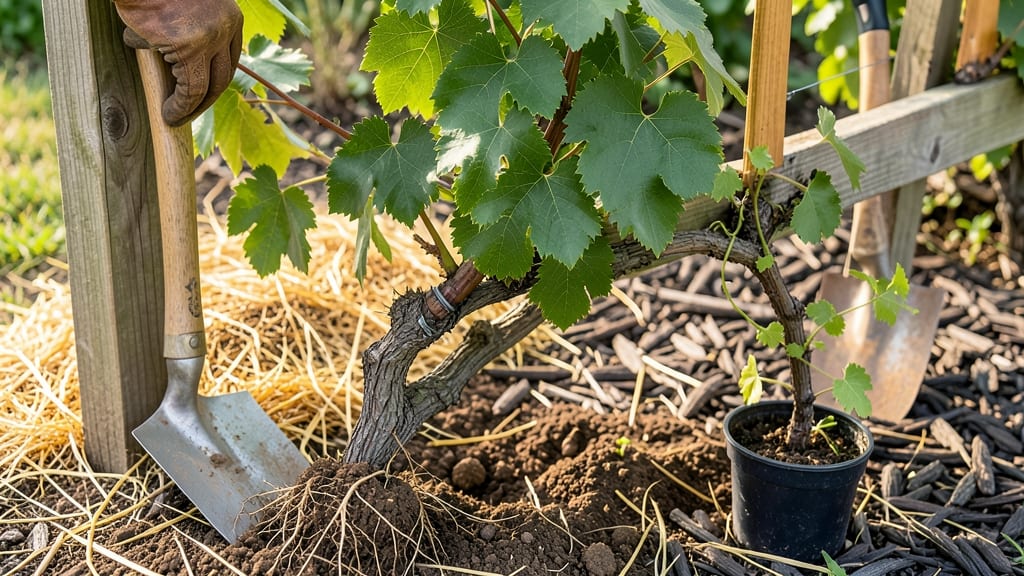
Planting grapes in Alabama isn’t just about picking a month—it’s about matching your variety to the perfect chill-hour window to guarantee those sweet, plump clusters you’re dreaming of.
With the right timing, your 🍇 vines will establish strong roots before the heat of summer, setting you up for a bountiful harvest from August to October.
Alabama’s 7a-8b climate might seem tricky, but the key is planting between late February and early March, just weeks before the last frost around March 15. This timing gives your vines the head start they need to thrive in the state’s humidity and heat without struggling through unpredictable cold snaps.
If you’re wondering how to choose the right grapes for your yard, we’ll break down the best varieties for Alabama’s conditions—from heat-tolerant Muscadines to high-chill Norton grapes. Plus, I’ll share my go-to soil prep tricks to make sure your vines take root like a pro.
Ready to grow grapes that outshine the rest? Let’s dive into the exact steps to plant, nurture, and harvest your Alabama vineyard—no guesswork, just reliable results.
Best planting months for grapes in Alabama by chill-hour requirements
Alabama’s USDA Zones 7a-8b create unique challenges for grape growers, especially when matching chill-hour requirements to your chosen variety. Unlike northern states, Alabama’s mild winters mean high-chill varieties (like Cabernet Sauvignon) often struggle, while low-chill varieties (like Muscadine) thrive.
The key is planting during dormant seasons when soil temps stay below 60°F—typically November through March.
For bare-root vines, aim to plant 4-6 weeks before your area’s last frost date (around mid-March in most of Alabama). This window lets roots establish before spring growth begins.
In warmer southern regions (like Mobile), you can extend planting into early April, but avoid planting after mid-April—vines may struggle with heat stress before root systems strengthen.
Chill-hour requirements are critical: Alabama’s 200-800 chill hours (varies by region) dictate which varieties will fruit reliably. For example, Norton grapes (a native Alabama variety) need only 300-500 chill hours, while Chardonnay requires 800+ chill hours—making it a poor fit for most of the state. Always check your grape’s chill-hour needs before selecting a planting window.
🍇 Visual Element: Comparison Table 🍇
| Variety | Chill Hours Needed | Best Planting Month | Alabama Region Fit |
|---|---|---|---|
| Muscadine (Scuppernong) | 200-400 | November–March | Statewide (best for heat) |
| Norton (Cynthiana) | 300-500 | February–April | North/Central AL |
| Bluebunch (Vitis aestivalis) | 400-600 | February–March | Central/Southern AL |
| Traminette | 500-700 | January–February | Northern AL only |
| Cabernet Sauvignon | 800+ | Not recommended | Poor fit (requires cooler climates) |
If you miss the primary planting window, consider fall planting in October—just ensure soil temps stay above 40°F to prevent root damage. Container-grown vines can also be planted throughout the year in Alabama’s warmer zones, but they’ll need consistent moisture to compensate for smaller root zones.
For bare-root vines, soak roots in water for 1-2 hours before planting to reduce transplant shock.
Alabama’s microclimates play a huge role in timing. In mountainous areas (e.g., Huntsville), where frosts linger later, delay planting until late March. In coastal regions (e.g., Gulf Shores), plant as early as January to avoid summer heat stress.
Always monitor your local Alabama Agricultural Extension updates for frost forecasts—they’re your best tool for adjusting planting dates.
Pro tip: Test soil temperature with a soil thermometer before planting. Ideal temps for grape roots are 50-60°F. If soil is warmer than 65°F, delay planting until cooler weather returns. This simple step can double your success rate by preventing root desiccation.
Once planted, mulch heavily (3-4 inches of straw or pine needles) to insulate roots during Alabama’s unpredictable temperature swings. In northern Alabama, where late frosts are common, use frost cloth or row covers for the first 2-3 weeks after planting to protect young vines.
Timing your grape planting isn’t just about the calendar—it’s about matching your variety to Alabama’s unique climate quirks. By aligning chill hours, soil temps, and microclimates, you’ll set your vines up for a stronger root system and a bountiful harvest in just 2-3 years. 🌱
Best planting months for grapes in Alabama by chill-hour requirements
Alabama’s USDA Zones 7a-8b mean grape growers must align planting with chill-hour needs—the number of hours below 45°F vines need to break dormancy. High-chill varieties (like Norton) thrive in northern Alabama, while low-chill types (such as Muscadine) suit southern regions.
Planting outside these windows risks stunted growth or poor fruit set.
For bare-root vines, the ideal window spans November through March, avoiding Alabama’s late-winter frost risks and summer heat. Northern counties (e.g., Huntsville) can plant as early as late February, while southern areas (e.g., Mobile) should wait until March 15 to sidestep unpredictable cold snaps.
⚠️ Critical Note: Alabama’s humidity and soil moisture can delay dormancy. Planting too early (e.g., January) may stress vines before roots establish.
| Grape Type | Chill Hours | Best Planting Window | Alabama Regions |
|---|---|---|---|
| High-Chill (e.g., Norton, Cynthiana) | 600–1,000 hrs | Late Feb–March | North (Zone 7a) |
| Moderate-Chill (e.g., Chardonnay) | 400–600 hrs | March–April | Central (Zone 7b) |
| Low-Chill (e.g., Muscadine) | 100–300 hrs | March–April | South (Zone 8b) |
Spring planting (March–April) is ideal for container-grown vines or transplanted starts. Soil temperatures should reach 60°F+ to prevent root rot. Use a soil thermometer to confirm—Alabama’s clay-heavy soils can stay cold longer than expected.
Fall planting (November) works only for dormant bare-root vines in northern Alabama. Southern regions risk winter dieback if planted too late. Amend soil with compost to improve drainage, a must for Alabama’s heavy clay.
Pro Tip: Mulch with pine straw after planting to retain moisture and regulate soil temps. This is especially critical in Alabama’s hot, dry summers.