
How To
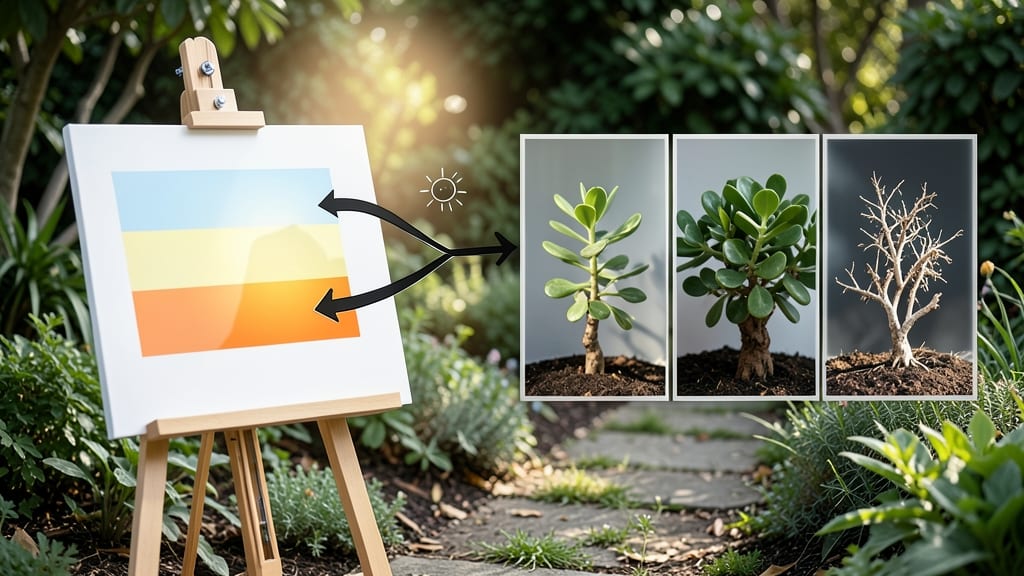
If your Jade Plant 🌿 is looking more like a sad, stretched-out stick than a lush, vibrant succulent, you’re probably asking yourself: how much light does a Jade Plant need to thrive?
Here’s the truth: Jade Plants are sun-worshippers, but they’re picky about it. Too little light, and they’ll lean toward the nearest window like a sleepy cat seeking warmth. Too much direct sun, and those gorgeous leaves will crisp up faster than toast in a hot pan.
The sweet spot? Bright, indirect light for most of the day—think morning sun or a south-facing window with a sheer curtain to soften the rays.
Don’t worry if your space isn’t naturally bright. I’ll show you how to tweak your setup—whether it’s rotating the pot, using grow lights, or even spotting the telltale signs (like yellowing leaves or pale stems) that your plant is begging for more (or less) light.
Let’s get that Jade Plant looking happy and healthy again!
The good news? Once you nail the light, your Jade Plant will reward you with thick, glossy leaves and that signature compact shape. And trust me, the effort is 100% worth it—this plant is practically indestructible once you get the basics right.

Jade Plant light requirements: ideal sunlight levels for healthy growth
Jade Plants (Crassula ovata) are native to South Africa’s dry regions, where they bask in bright, indirect sunlight for most of the day.
In your home, this translates to 4-6 hours of filtered light daily—think of it as a balance between a sunny day at the beach and a shady afternoon under a tree.
Too little light, and your plant will stretch toward the window in a condition called etiolation, producing long, weak stems and sparse leaves. Too much direct sun, especially harsh afternoon rays, and you’ll see brown, crispy leaf edges or even sunburn.
For optimal growth, place your Jade Plant near an east-facing window (gentle morning sun) or a south-facing window with a sheer curtain to diffuse the intensity. If you’re unsure about your space, a light meter (around $20) can help measure the exact light levels—aim for 1,000-2,000 foot-candles during daylight hours.
This range mimics their natural habitat and keeps photosynthesis humming efficiently.
Seasonal adjustments are key. During spring and fall, when sunlight is milder, your Jade Plant can handle direct morning sun for 2-3 hours. But in summer, when UV rays are strongest, move it back from the window or use a light-colored curtain to filter the light.
In winter, when daylight is scarce, supplement with a grow light (more on this later) to maintain its energy levels.
Here’s a quick science lesson: Jade Plants store water in their leaves, which helps them survive drought—but this also means they’re photosynthesis powerhouses. When light is insufficient, their growth slows, and they start storing less water, leading to pale, rubbery leaves.
On the flip side, excess light causes oxidative stress, triggering those unsightly brown patches. The goal? Keep their leaves glossy and firm, with a deep green color.
Pro tip: Rotate your Jade Plant quarter-turns every 2 weeks. This ensures even growth and prevents the plant from leaning toward one light source, which can create a lopsided appearance.
If you notice new growth leaning toward the window, it’s a clear sign your plant is craving more light.
| Light Condition | Ideal Hours/Day | Signs of Correct Light | Signs of Too Much Light | Signs of Too Little Light |
|---|---|---|---|---|
| Bright Indirect Light | 4-6 hours | Thick, glossy leaves; compact growth | Brown, crispy leaf edges; sunburn spots | Pale, yellowing leaves; stretched stems |
| Direct Morning Sun | 2-3 hours (summer) | Healthy growth; no leaf damage | White/yellow patches on leaves | Leggy growth; weak stems |
| Low Light (e.g., North Window) | <2 hours | N/A | N/A | Yellowing leaves; etiolated stems |
If you’re still unsure about your space, here’s a quick test: Hold a piece of white paper near your Jade Plant for a few hours. If the paper turns yellowish or brownish, the light is too harsh.
If it stays white or very lightly tinted, you’re in the safe zone. For low-light areas, consider a south-facing window or a grow light (LED bulbs are energy-efficient and mimic natural sunlight well).
One common misconception is that Jade Plants thrive in direct sunlight all day. While they love light, their leaves aren’t equipped to handle the intense midday sun like a cactus. Think of them as sunbathing under a beach umbrella—plenty of light, but with protection from the harshest rays.
This is why east-facing windows are ideal: they provide gentle, prolonged exposure without the risk of scorching.
Remember, the goal is to mimic their natural environment as closely as possible. In the wild, Jade Plants grow in rocky, arid regions where sunlight is abundant but often filtered by other vegetation.
By replicating this balance in your home, you’ll see your plant thrive with thick, vibrant leaves and a sturdy, compact shape—exactly what makes them such a prized houseplant.
How to adjust light for Jade Plants in different indoor spaces
Not all homes are blessed with sun-drenched windows, but that doesn’t mean your Jade Plant has to suffer. If your space leans toward dim corners or harsh afternoon glare, don’t panic—I’ve got practical solutions to optimize light for every room.
The key is understanding how to balance natural light with artificial alternatives and smart placement tricks.
Start by assessing your space: north-facing windows provide gentle, cool light (great for winter), while west-facing windows blast hot afternoon sun (best avoided). South-facing windows are ideal if you use a sheer curtain to filter harsh rays.
Even if your room lacks windows, grow lights can mimic the perfect 4-6 hours of bright indirect light your Jade Plant craves.
Here’s the game-changer: rotate your plant every 2-3 weeks. Jade Plants grow toward light, so turning them ensures even growth and prevents that lopsided, sad look. Place your pot 2-3 feet from the window—close enough for brightness but far enough to avoid leaf scorch.
Pro tip: Use a light meter (or your phone’s lux app) to check if your spot hits 2,000-5,000 lux, the sweet spot for Jade Plants.
For renters or small spaces, a sunny windowsill paired with a reflective tray (white paint or foil) can double light exposure.
If your Jade Plant starts stretching toward the light (a sign of etiolation), it’s time to boost brightness—even a south-facing balcony with afternoon shade works in a pinch. Remember, Jade Plants are flexible: with the right tweaks, they’ll thrive even in low-light apartments.
My top pro tip? Observe your plant daily. If leaves are pale or sparse, it’s light-starved. If they’re reddish or crispy, it’s sunburned. Adjust gradually—sudden changes shock Jade Plants. With these tricks, your succulent will stay plump, green, and happy year-round.