
How To
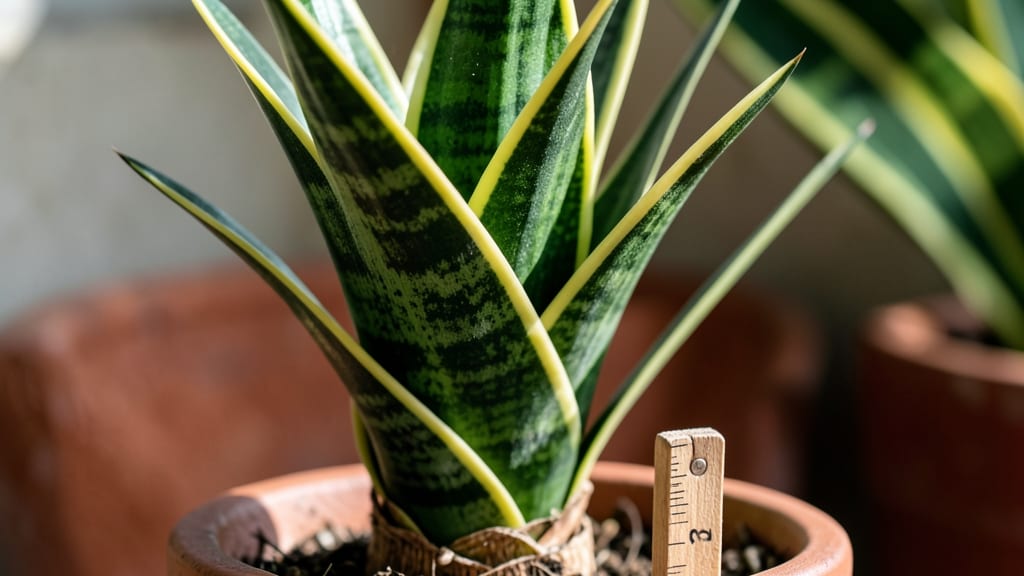
If you’ve ever glanced at your snake plant 🌿 and wondered how tall it can grow indoors, you’re not alone. This hardy succulent can surprise even seasoned plant parents with its growth potential—but how tall can it really get indoors?
The answer depends on the variety, care habits, and a few key environmental factors you might not realize.
Most snake plants, like the classic Sansevieria trifasciata, can reach 3 to 4 feet indoors under ideal conditions, though some varieties like the towering ‘Futura Superba’ may stretch toward 6 feet if left unchecked.
Variegated types, however, often stay shorter—around 2 to 3 feet—because their unique leaf patterns demand more energy to maintain.
Light exposure is the game-changer here: too little, and your plant will grow leggy and slow; too much direct sun, and those striking leaves might develop unsightly brown tips. Pot size also plays a role—root-bound plants grow faster, while a slightly snug container can help keep things compact.
Let’s dive into how to manage your snake plant’s height so it stays the perfect size for your space.
Whether you’re dealing with a new 1-foot-tall starter or a mature plant reaching for the ceiling, understanding these growth habits will help you keep your snake plant thriving—without it turning your living room into a vertical forest. Ready to learn the secrets to controlled growth?


Snake plant height limits by variety: indoor growth expectations
Snake plants (Sansevieria trifasciata and related species) are famous for their resilience, but their indoor height can vary dramatically depending on the variety and growing conditions. While some compact types stay under 2 feet, others can reach 6–10 feet indoors with ideal care.
Let’s explore how genetics and environment shape your snake plant’s ultimate height.
The ‘Futura Superba’ variety is the tallest common type, often growing 6–10 feet indoors when given enough space and light. Meanwhile, the ‘Hahnii’ (also called "bird’s nest snake plant") stays compact at just 1–2 feet, making it perfect for small spaces.
Understanding these differences helps you choose the right plant for your home.
🌱
Light exposure is the #1 factor influencing snake plant height. While these plants tolerate low-light conditions, they grow 3x faster with bright indirect light (e.g., east or north windows).
A ‘Futura Superba’ in a dim corner might max out at 4 feet, but the same plant near a sunny window could hit 8–10 feet in 5 years.
Pot size also plays a critical role. Snake plants grow taller when root-bound, so using a large container (12+ inches in diameter) encourages vertical growth. For compact varieties like ‘Hahnii’, smaller pots (6–8 inches) help maintain their 1–2 foot height.
Always use pots with drainage holes to prevent root rot, which can stunt growth.
Humidity levels affect height indirectly by influencing leaf thickness. In dry indoor air (common in winter), snake plants may produce thinner, taller leaves as they stretch toward moisture. A humidity tray or occasional misting can help keep leaves sturdy and proportionate to the plant’s base.
🌿
Myth: All snake plants grow 6+ feet indoors. This is false—only ‘Futura Superba’ and similar tall varieties reach those heights. Most common types (like ‘Laurentii’) stay between 3–6 feet, while dwarf varieties like ‘Hahnii’ are designed to remain small.
Always check the variety’s growth habit before purchasing to avoid surprises.
To encourage healthy, controlled growth, rotate your snake plant quarterly so all sides receive even light. This prevents lopsided growth and ensures the plant grows straight and sturdy rather than leaning toward a single light source.
Pair this with well-draining soil (cactus/succulent mix) and infrequent watering (every 2–3 weeks indoors) to promote steady, balanced height development.
✂️
Snake plant height limits by variety: indoor growth expectations
Snake plants (Sansevieria trifasciata and related species) are famous for their slow, steady growth—but their final height depends heavily on the variety and your growing conditions. While some types stay compact, others can stretch toward the ceiling if given enough space.
Understanding these differences helps you choose the right plant for your home and manage its growth effectively.
The most common snake plant varieties vary dramatically in height. For example, the classic Sansevieria trifasciata ‘Laurentii’ typically reaches 3–4 feet indoors, while the dwarf Sansevieria ‘Hahnii’ (often called "bird’s nest snake plant") maxes out around 1–2 feet.
Even within the same species, growth habits differ—some grow upright, while others trail or clump, affecting how they fill your space.
🌱
Light exposure is the #1 factor influencing snake plant height. In bright indirect light, these plants grow taller and fuller, while low-light conditions slow their vertical growth but may cause leaves to stretch toward light sources.
If your snake plant starts leaning, it’s a clear sign it needs more light—or a strategic rotation to keep it upright.
Pot size also plays a role. Snake plants in small pots (like 6-inch containers) grow slower and stay more compact, while large pots (12+ inches) encourage taller, bushier growth.
If you’re worried about height, choose a pot that’s only slightly larger than the plant’s root ball—this naturally restricts vertical expansion while allowing healthy root development.
🌿