
How To
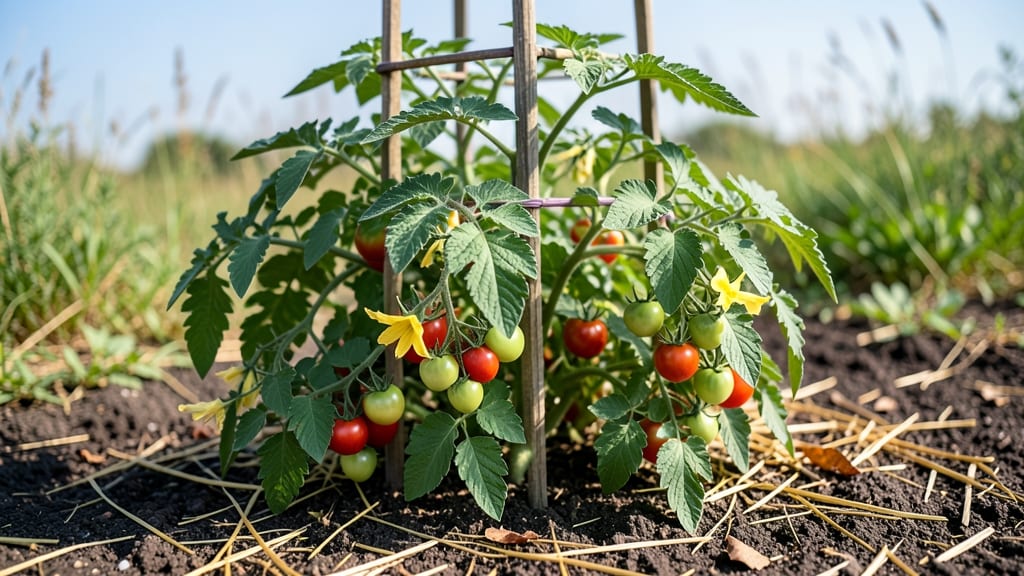
If you’ve ever wondered how tall a cherry tomato plant can grow this spring, you’re not alone—this is one of the most common questions for new gardeners.
The answer isn’t one-size-fits-all, because some varieties will climb like a jungle gym while others stay neatly contained, and knowing the difference can save you from overcrowded vines or flopped plants.
Most Cherry Tomato 🍅 plants fall into two main categories: indeterminate types that keep growing taller all season (think 4–6 feet or more) and determinate varieties that top out around 2–3 feet.
Without the right support or pruning, even compact plants can stretch unpredictably, so understanding your variety’s growth habit is the first step to a bountiful harvest.
In this guide, I’ll break down exactly what to expect from popular cherry tomato varieties, when to add support (and how), and simple tricks to keep your plants at their ideal height—whether you’re working with a small balcony garden or a sprawling backyard plot.
Let’s get your vines thriving the right way.
Ready to plan your space? You’ll also discover how to spot early signs of overgrowth (or stunted growth) and adjust your care routine before it’s too late. No guesswork—just actionable tips for gardeners of all levels.


Cherry tomato plant height by variety: compact to towering growth habits
Cherry tomato plants come in stunning variety, from compact bush varieties to towering vines that need serious support. The height of your plant depends on whether it's determinate (bush-type) or indeterminate (vining).
Determinate varieties typically max out at 2-4 feet, while indeterminate types can reach 6-10 feet or more with proper care. Knowing your variety's growth habit helps you plan spacing, support, and even container sizes.
For example, the popular 'Sweet 100' cherry tomato is an indeterminate variety that can grow 6-8 feet tall without pruning. On the other hand, 'Tiny Tim' is a determinate dwarf variety that stays under 18 inches tall.
Even small differences in height can impact your garden layout, so let's break down the specifics to help you choose the right variety for your space and needs.
Understanding these height differences also helps you avoid common mistakes, like planting vining varieties too close together or failing to provide support for tall types. Without proper planning, you might end up with overcrowded plants that struggle for sunlight or toppled vines breaking under the weight of fruit.
The good news? With the right variety and support, you can grow cherry tomatoes in containers, small spaces, or large gardens alike.
Here’s a quick comparison of popular cherry tomato varieties and their mature heights to help you visualize what to expect in your garden:
| Variety | Type | Mature Height | Notes |
|---|---|---|---|
| Sweet 100 | Indeterminate | 6-8 ft | Needs strong support; prolific producer |
| Super Sweet 100 | Indeterminate | 6-10 ft | Sweet flavor; requires trellis or cage |
| Tiny Tim | Determinate | 1-2 ft | Perfect for containers; no support needed |
| Sun Gold | Indeterminate | 4-6 ft | Orange fruit; needs pruning for best yield |
| Roma Cherry | Determinate | 3-4 ft | Meaty fruit; ideal for sauces |
If you're growing indeterminate varieties, expect them to keep growing all season until frost. These types produce fruit continuously, so their height can double or triple from early summer to fall.
For example, a 'Sweet 100' plant might start at 2 feet in June but reach 8 feet by September. Pruning and support become critical to manage this growth and prevent disease.
For determinate varieties, growth is more predictable. These plants stop growing taller once they start flowering and fruiting, making them ideal for small gardens or containers. Varieties like 'Tiny Tim' or 'Patio Princess' stay under 2 feet tall, so they don’t require heavy-duty support.
However, even determinate plants benefit from light staking to prevent sprawling and improve air circulation.
Choosing the right variety for your space is key. If you have limited vertical space, opt for dwarf or semi-dwarf varieties. For large gardens or trellises, indeterminate types will reward you with continuous harvests all season long.
Just remember: taller plants need more sunlight, water, and support to thrive.
Pro tip: Check the seed packet or plant tag for height estimates, but always account for 1-2 extra feet of growth if you're using indeterminate varieties. This extra space ensures your plants have room to
Cherry tomato plant height by variety: compact to towering growth habits
If you’re planning your garden layout, knowing how tall cherry tomato plants grow depends entirely on the variety you choose. Indeterminate types—like the popular Sweet 100—can reach 6–10 feet if left unchecked, while determinate varieties like Tiny Tim stay neatly under 2 feet.
This difference isn’t just about aesthetics; it directly impacts your spacing, support needs, and even yield.
For example, indeterminate cherry tomatoes (e.g., Super Sweet 100, Sun Gold) grow continuously all season, requiring strong trellises or cages to prevent sprawling.
Meanwhile, determinate types (e.g., Tumbling Tom, Micro Tom) produce fruit in one flush and top out at 2–3 feet, making them ideal for containers or small spaces.
Here’s a quick reference to help you visualize the range:
| Variety | Growth Habit | Mature Height | Support Needed? |
|---|---|---|---|
| Sweet 100 | Indeterminate | 6–10 ft | Yes (trellis/cage) |
| Sun Gold | Indeterminate | 5–8 ft | Yes (strong stake) |
| Tumbling Tom | Determinate | 2–3 ft | Optional (small cage) |
| Micro Tom | Determinate | 1–2 ft | No (container-friendly) |
Even within these categories, growing conditions like sunlight, pruning, and soil fertility can push plants taller or shorter. For instance, over-fertilizing with nitrogen encourages leafy growth but may stunt fruit production, while pruning suckers can redirect energy toward height instead of yield.
If you’re growing in containers, choose dwarf varieties like Tiny Tim to avoid root-bound stress that stunts growth.
Pro tip: For indeterminate varieties, start training vines early by tying them to 6-foot stakes or using tomato cages (at least 5 feet tall). This prevents the plant from flopping over when heavy with fruit.
For determinate types, a 3-foot cage is usually sufficient, but always check your seed packet for variety-specific recommendations.
Remember, the height of your cherry tomato plant isn’t just about space—it’s also about airflow and disease prevention. Tall, sprawling plants are more prone to blight or rot if crowded, so proper spacing (even for compact varieties) is key.
Aim for 18–24 inches between plants for indeterminate types and 12–18 inches for determinate ones.