
Plants
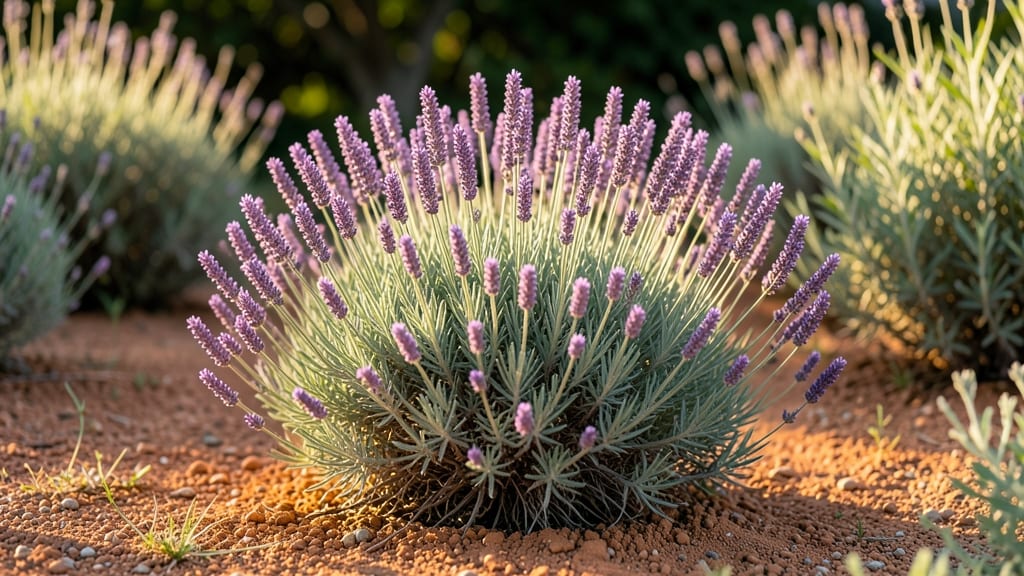
Wondering how tall does a lavender plant grow and whether it’ll fit your garden dreams? The answer depends more on the variety you choose than you might think—some stay compact enough for container gardens, while others reach towering heights perfect for borders.
English lavender, for example, typically matures between 1 and 2 feet, making it ideal for small spaces or window boxes. But Spanish lavender? That’s a different story—it can stretch up to 3 feet or more, creating a stunning vertical accent in your landscape.
The key to managing height lies in pruning and care, which we’ll break down next.
If you’re planning your garden layout, knowing these height differences can help you avoid overcrowding or underutilized space. Whether you’re aiming for a fragrant hedge or a few potted plants on your patio, understanding how lavender grows will save you time and frustration down the road.
Let’s dive into the specifics—from dwarf varieties that stay under 12 inches to towering types that demand more room. You’ll also discover how simple adjustments in pruning and sunlight can shape your lavender’s growth to fit your vision perfectly.


Lavender plant height by variety: compact vs. tall species compared
Lavender height can range from tiny 8-inch dwarf varieties to towering 3-foot giants, making it one of the most versatile plants for different garden spaces. The key difference lies in the species and cultivar—English lavender stays compact, while Spanish lavender reaches impressive heights.
Choosing the right variety ensures your lavender fits perfectly in your design, whether you're creating a fragrant hedge or a delicate container display.
If you're working with limited space, dwarf varieties like 'Hidcote Giant' or 'Little Lady' English lavender will thrive in pots or small garden beds. For larger landscapes, Spanish lavender ('Lavandula stoechas') can create stunning vertical accents.
Understanding these height differences helps you plan spacing, companion plants, and even pruning strategies to maintain your desired shape.
🌱
| Variety | Mature Height | Best For | Notes |
|---|---|---|---|
| English Lavender (Lavandula angustifolia) | 1-2 ft | Containers, borders, small gardens | Fragrant, cold-hardy, slow-growing |
| Spanish Lavender (Lavandula stoechas) | 2-3 ft | Hedges, borders, focal points | Unique rabbit-ear flowers, heat-loving |
| French Lavender (Lavandula dentata) | 1.5-2.5 ft | Mediterranean gardens, containers | Tough, drought-resistant, gray-green foliage |
| Grosso Lavender (Lavandula x intermedia) | 2-3 ft | Cut flowers, large borders | Hybrid vigor, long blooming season |
| Dwarf Varieties (e.g., 'Mini Blue', 'Kew Red') | 8-12 in | Windowsills, fairy gardens, small pots | Perfect for urban gardens, slow-growing |
For example, if you're planting 'Munstead' English lavender, expect it to reach 2 feet tall but only 1.5 feet wide, making it ideal for narrow garden beds.
In contrast, 'Provins' Grosso lavender can grow 3 feet tall and 3 feet wide, creating a bold statement in your landscape. Always check the specific cultivar's height range before purchasing, as even within the same species, sizes can vary.
Another factor affecting height is whether you're growing lavender from seeds or cuttings. Seed-grown plants often take 2-3 years to reach maturity, while propagated cuttings establish faster and may grow more uniformly.
If you're in a hurry, purchasing established plants ensures you get the full height potential immediately, though they may cost more upfront.
Climate also plays a role—lavender grown in USDA zones 5-9 will generally reach its mature height faster than those in cooler zones. In zone 5 gardens, lavender may grow more slowly and stay slightly shorter due to shorter growing seasons.
Always match your lavender variety to your local climate to avoid disappointment with stunted growth.
🌿
Pro tip: If you're unsure which variety to choose, start with 'English lavender' for its reliability and fragrance. For a dramatic look, Spanish lavender adds height and architectural interest. And if you're experimenting with containers, dwarf varieties are hard to beat for their versatility and low maintenance.
Once you've selected your lavender, proper spacing is crucial. For standard varieties (2-3 ft tall), allow 2-3 feet between plants to prevent overcrowding. Dwarf varieties can be spaced 1-2 feet apart, while Spanish lavender may need 3-4 feet for its wider spread.
Proper spacing ensures good airflow, reducing the risk of fungal diseases that can stunt growth.
Finally,
How to control lavender height: pruning and care tips for bushier growth
Lavender height isn’t set in stone—it’s shaped by pruning habits, soil conditions, and seasonal care. If your lavender is growing too tall or leggy, don’t worry! With the right techniques, you can encourage a compact, bushy shape that fits your garden perfectly.
The key is timing and precision—over-pruning can stress the plant, while neglect leads to woody stems and sparse blooms.
Start by understanding your lavender’s natural growth cycle. Most varieties grow 6-12 inches per year, but aggressive pruning can slow this down. For example, English lavender (like 'Munstead') typically reaches 2-3 feet, while Spanish lavender (like 'Papillon') stays around 1-2 feet.
Your goal is to shape it without cutting into old wood, which won’t regrow.
When to prune makes all the difference. The best time is late winter or early spring, just as new growth begins. This encourages fresh, vibrant stems for the season ahead. Avoid pruning in fall or winter, as lavender needs its foliage to protect it from cold. If you must prune later in the year, do it lightly—just enough to shape, not reshape.
🌿 Step-by-Step Pruning Guide for Compact Lavender
- ✂️ Step 1: Deadhead spent blooms – After flowering (late summer), trim back faded flowers to 1/3 of the stem. This prevents seed heads and encourages bushier growth.
- 🌱 Step 2: Light spring pruning – In early spring, cut back 1/3 of the previous year’s growth to just above a set of leaves. Avoid cutting into bare wood.
- 🌿 Step 3: Shape with precision – Use sharp shears to trim uneven growth. Angle cuts slightly outward to prevent water pooling on stems.
- 💧 Step 4: Water deeply after pruning – Lavender is drought-tolerant, but new growth needs moisture. Water at the base, not the foliage, to avoid fungal issues.
- 🌳 Step 5: Mulch lightly – Apply 2-3 inches of gravel or mulch around the base to retain moisture and regulate soil temperature.
One of the biggest mistakes gardeners make is over-pruning. Cutting back too aggressively—especially into old wood—can kill lavender. If your plant looks woody or bare at the base, it’s a sign you’ve pruned too much.
Instead, focus on selective trimming to encourage new growth from the base. For taller varieties, like 'Grosso' lavender, you can prune more heavily, but always leave some foliage to protect the plant.
Soil plays a huge role in controlling height. Lavender thrives in well-draining, alkaline soil (pH 6.5-7.5). If your soil is clay-heavy or acidic, amend it with sand or crushed limestone to improve drainage.
Poor soil can stunt growth or cause leggy, weak stems. Additionally, avoid high-nitrogen fertilizers, which promote leafy growth at the expense of flowers and compactness.
For container-grown lavender, height control is even easier. Since roots are confined, pruning regularly keeps the plant smaller and denser. Choose dwarf varieties like 'Hidcote' or 'Loddon Pink' for 8-12 inch heights, perfect for windowsills or patios.
In containers, lavender may grow slightly slower than in-ground plants, so prune every 4-6 weeks during the growing season to maintain shape.