
How To
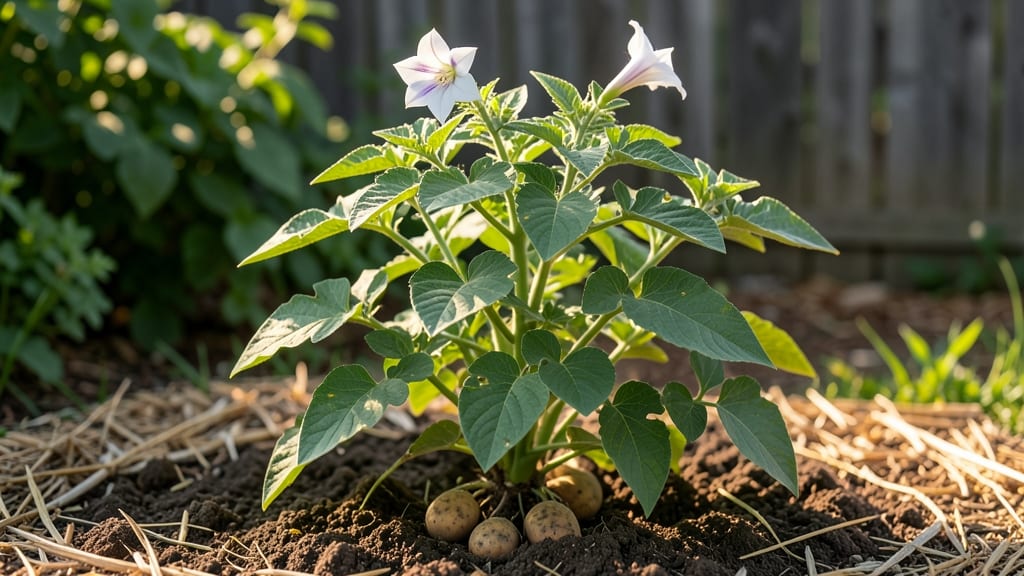
If you’ve ever wondered how tall a potato plant can grow, you’re not alone. The height of your potato plants 🥔 isn’t just a random quirk—it’s a clue about what’s happening underground (and above!).
From compact 12-inch varieties to towering 3-foot giants, understanding these differences can help you space plants right, avoid overcrowding, and even boost your harvest.
Most home gardeners grow standard varieties that hit 24–36 inches, but dwarf types stay cozy at 8–18 inches, while some heirlooms stretch toward 4 feet. The key? Variety matters more than your soil’s luck.
Whether you’re working with a small balcony garden or a backyard plot, knowing these ranges means you’ll plant with confidence—and avoid the "too close for comfort" mistake that stunts growth.
But here’s the twist: height isn’t just about aesthetics. A plant’s growth stage also shifts how tall it gets. Early-season spuds might stay low until tubers form, while late bloomers shoot up before they bulk underground.
I’ll break down how to read your plants’ signals and adjust care to keep them thriving—no guesswork required.
Ready to stop eyeballing your potato plants and start measuring success? Let’s dig into the heights, stages, and secrets that turn good gardens into great harvests.


Potato plant height by variety: from compact to towering
Potato plants come in a surprising range of heights, from dwarf varieties that barely reach your knees to tall-growing types that can tower over your head. Understanding these differences helps you plan your garden layout, choose the right varieties for your space, and even predict your harvest potential.
For example, early-season potatoes like 'Yukon Gold' typically stay compact, while late-season varieties such as 'Russian Banana' can sprawl dramatically.
The height of your potato plants directly impacts how you should space them in your garden. Compact varieties need less room, while tall growers require more space to prevent competition.
Even the way you harvest potatoes changes based on plant height—taller varieties often need deeper soil or containers to accommodate their sprawling tubers. Let’s break down the height ranges by potato type so you can make the best choices for your garden.
| Variety Type | Height Range | Ideal Spacing | Best For |
|---|---|---|---|
| Dwarf Varieties | 8–12 inches | 6–8 inches apart | Containers, small gardens |
| Standard Varieties | 18–24 inches | 12–15 inches apart | In-ground beds, raised beds |
| Tall-Growing Varieties | 36–48 inches | 18–24 inches apart | Large plots, trellises |
| Early Season (e.g., 'Red Norland') | 12–18 inches | 10–12 inches apart | Quick harvests, small spaces |
| Late Season (e.g., 'Kennebec') | 24–36 inches | 15–18 inches apart | Storage potatoes, large yields |
If you’re growing potatoes in containers or small spaces, opt for dwarf varieties like 'Patriot' or 'Red LaSoda,' which stay under 12 inches tall. These are perfect for balconies or even large pots, as long as the container is at least 12 inches deep to accommodate the tubers.
For in-ground gardens, standard varieties like 'Yukon Gold' or 'Kennebec' thrive with their 18–24 inch height, providing ample room for tuber development.
For those with larger garden plots, tall-growing varieties like 'Russian Banana' or 'Purple Viking' can reach up to 48 inches. These need more space but reward you with exceptional yields and unique flavors.
Just be prepared to hill soil around the stems regularly to support their height and encourage more tuber production underground.
Another factor to consider is how plant height affects harvest timing. Taller varieties often take longer to mature because they’re investing energy in both foliage and tuber development.
For example, 'Kennebec' (a tall variety) typically needs 90–120 days to reach maturity, while dwarf 'Red Norland' may be ready in just 60–70 days. Plan accordingly if you’re aiming for an early harvest!
Pro tip: If you’re growing potatoes in rows or hills, taller varieties benefit from trellising or cage support. This not only saves space but also keeps the foliage off the ground, reducing disease risk.
Just ensure your support structure is sturdy enough—a 48-inch plant with sprawling vines can weigh a surprising amount!
Finally, remember that soil quality and sunlight play a huge role in how tall your potato plants grow. Poor soil or shade can stunt growth, while rich, well-draining soil with full sun encourages plants to reach their full potential height.
Always amend your soil with compost before planting to give your potatoes the best start.
Now that you know the height ranges, you can confidently choose varieties that fit your garden’s size and your harvesting goals. Whether you’re a
How potato plant height changes through growth stages
Potato plants don’t grow at the same rate forever—their height shifts dramatically as they move through three key stages: sprouting, tuber formation, and flowering. Understanding these phases helps you predict how tall your plants will get and when to adjust care.
For example, a Yukon Gold might start at just 2 inches but double in height by flowering time.
In the sprouting stage (weeks 1–3), your plants focus energy on leaves and stems rather than tubers. You’ll see green shoots breaking through the soil, growing 1–2 inches per week in ideal conditions.
This is when height matters most for spacing—crowded sprouts compete for nutrients, slowing growth. If your plants seem stunted here, check for cool soil or poor drainage, which can delay early growth.
Once tubers form (weeks 4–6), height growth slows as the plant redirects energy underground. You’ll notice stems thickening and leaves darkening—signs the plant is prioritizing potatoes over vertical growth.
This is when dwarf varieties (like Red Pontiac) cap out at 12–18 inches, while standard types (like Russet Burbank) keep climbing toward 24–36 inches. Prune aggressively now to prevent overgrowth.
🌱
- Height: 2–6 inches
- Focus: Leaf/stem growth
- Care Tip: Thin seedlings to 12 inches apart
- Height: 12–24 inches
- Focus: Underground tuber growth
- Care Tip: Add mulch to retain moisture
- Height: 24–48 inches (varies by type)
- Focus: Peak foliage and tuber bulking
- Care Tip: Prune flower stalks to boost yield
The flowering stage (weeks 7–9) is when potato plants reach their maximum height, often doubling from earlier stages. This is also when late-season varieties (like Kennebec) hit their 48-inch ceiling, while early types (like New Potatoes) may stay under 18 inches.
Watch for purple or white blooms—these signal tubers are rapidly expanding. Overwatering now can cause leaf blight, so water deeply but less frequently.
After flowering, height growth plateaus as the plant prepares for harvest. You’ll notice leaves yellowing and stems wilting—this is normal! The plant is redirecting energy to mature tubers. If your plants seem too tall or top-heavy, stake them to prevent lodging (falling over).
For container growers, choose bush varieties like Red LaSoda, which max out at 18 inches.
Pro tip: Use a ruler or measuring tape to track height weekly. If your plants grow too fast (e.g., 6+ inches per weekless nitrogen and more phosphorus to balance growth. Slow-and-steady varieties (like Adirondack Blue) often yield larger tubers when height increases gradually.
Remember, height isn’t the only metric—leaf color and stem thickness also reveal health. Pale green leaves? Boost sunlight. Thin stems? Add compost. By tuning into these growth cues, you’ll grow potatoes that are tall enough to thrive but balanced enough to feed your family.