
Plants
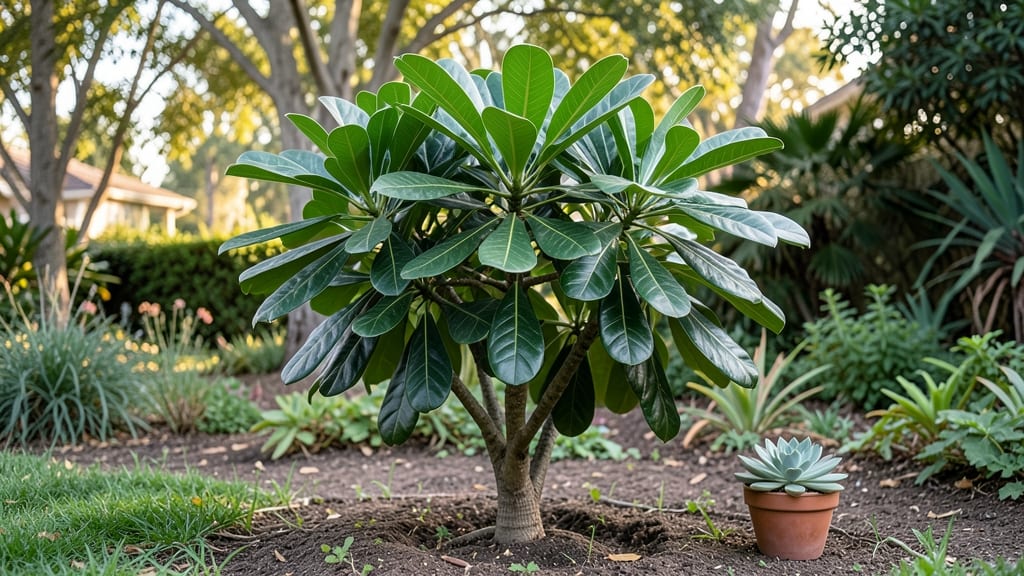
Wondering how tall your umbrella plant 🌿 could grow before it turns your living room into a jungle?
The answer depends more on where you keep it than you might think—indoors, this tropical favorite typically stays between 3 and 6 feet, but with the right care, you can easily keep it smaller (or encourage it to grow taller if that’s your goal).
Most people assume their umbrella plant will shoot up uncontrollably, but the truth is, its height is surprisingly manageable with a few simple adjustments.
Whether you’re dealing with limited ceiling space or just want to maintain its lush, compact shape, understanding how light, pruning, and pot size play a role is the key to controlling its growth.
Let’s break down what you can expect from your umbrella plant’s height—whether you’re growing it as a statement piece or keeping it as a low-maintenance desk companion.
You’ll learn how to estimate its growth, spot signs it’s getting too tall, and even how to prune it for a bushier, more controlled look.
From dwarf varieties that max out at 3 feet to standard types reaching ceiling height, we’ll cover everything you need to know to keep your plant thriving without sacrificing your space. Ready to take the guesswork out of umbrella plant care?


Natural height limits of umbrella plants indoors (and how to estimate growth)
Your umbrella plant (Schefflera actinophylla) is a fast-growing tropical that can reach 3–12 feet tall under ideal conditions, but indoors, its height is far more manageable with the right care.
Without intervention, most indoor plants mature between 5–6 feet over 3–5 years, growing about 6–12 inches per year when happy.
The key factors controlling this growth are light exposure, pot size, and pruning habits—all of which we’ll break down to help you predict and manage your plant’s vertical expansion.
Outdoor umbrella plants in USDA Zone 6a+ can tower up to 12 feet tall when planted in the ground, but even in containers, they’ll outpace their indoor counterparts.
Indoors, the smaller pot size and limited light naturally slow growth, keeping most plants under 6 feet unless you’re intentionally encouraging rapid growth with bright light and frequent fertilizing.
Think of your indoor plant as a miniature version of its outdoor relatives—with the right care, you can keep it compact and ceiling-safe.
Here’s how to estimate your umbrella plant’s growth based on its current size and environment. If your plant is 1–2 feet tall and thriving in bright indirect light, expect it to add 6–10 inches per year.
In lower light (like a north-facing window), growth slows to 4–6 inches annually. Take note of your plant’s leaf size too—larger leaves often signal faster vertical growth, while smaller leaves may indicate slower expansion. Tracking these details helps you set realistic height expectations.
| Growth Factor | Indoor Height Range | Annual Growth Rate |
|---|---|---|
| Bright Indirect Light | 5–6 feet | 6–12 inches |
| Low Light (North Window) | 3–4 feet | 4–6 inches |
| Large Pot (>12 inches) | 6–10 feet | 12–18 inches |
| Pruned Regularly | 3–5 feet (controlled) | 2–4 inches (new growth) |
Light is the biggest factor in determining how tall your umbrella plant grows. Place it near an east-facing window for 4–6 hours of bright indirect light daily, which promotes steady but controlled growth.
Avoid south-facing windows in hot climates—direct afternoon sun can scorch leaves and spur rapid, leggy growth that stretches toward the light.
If your plant starts leaning or growing taller than wide, it’s a clear sign it needs more light or a rotating schedule (turn the pot ¼ turn weekly) to encourage even growth.
Pot size plays a surprising role in height control. Umbrella plants are root-bound seekers, and a too-large pot encourages rapid vertical growth as the roots fill the extra space. Stick to a pot that’s only 2–3 inches larger in diameter than the plant’s current root ball.
If you’re growing your plant for height control, choose a narrower pot—this directs energy upward rather than outward. For example, a 10-inch pot will keep a 2-foot plant from shooting up to 6 feet in a year.
Pruning isn’t just for shaping—it’s a growth hack to manage height. When you trim back leggy stems by 1/3 their length, you encourage bushier, slower growth. Aim to prune in early spring (just as new growth begins) to maintain a compact shape.
Pro tip: Use clean, sharp bypass pruners and dip cuts in cinnamon powder to prevent disease. This simple step can reduce your plant’s height by 20–30% over time.
Seasonal care also impacts height. During spring and summer, your umbrella plant will grow most aggressively—this is when it needs regular watering (every 7–10 days) and monthly fertilizing with a balanced 10-10-10 formula.
In fall and winter, growth slows dramatically, and you can reduce watering to every 2–3 weeks. This seasonal adjustment naturally limits height spikes, keeping your plant at a manageable size year-round.
If you’re concerned about your umbrella plant outgrowing its space, start with these three height-control basics:
- Limit light to indirect sources (e.g., east-facing window).
- Use a smaller pot (only 2–3 inches larger than roots).
- Prune in early spring to encourage bushiness. These steps alone can keep your plant under 5 feet tall even after 5 years
Natural height limits of umbrella plants indoors (and how to estimate growth)
Your umbrella plant (Schefflera actinophylla) typically reaches 3 to 6 feet indoors under average care, but its final height depends on three key factors: light exposure, pot size, and pruning habits.
Without intervention, it can grow taller—even up to 10+ feet outdoors—but indoor conditions naturally slow its vertical expansion.
Under bright, indirect light (like an east-facing window), most umbrella plants grow 6–12 inches per year. Place it in a north-facing window or low-light spot, and you’ll likely see slower growth—often just 3–5 inches annually.
The trade-off? Dimmer light can lead to leggy stems and sparse foliage, so balance is key.
| Factor | Indoor Growth Impact | Height Range |
|---|---|---|
| Light Exposure | More light = faster vertical growth | 3–6 ft (bright indirect) / 2–4 ft (low light) |
| Pot Size | Root-bound plants grow taller | 4–8 ft (root-bound) / 3–5 ft (well-potted) |
| Pruning Frequency | Regular pruning = bushier, shorter growth | 2–4 ft (pruned) / 6–10 ft (unpruned) |
If your umbrella plant is root-bound (roots circling the pot), it’ll prioritize height over bushiness to escape the confined space. Check for roots growing out of drainage holes—this is your cue to repot into a 1–2 inch larger container to encourage wider growth instead of vertical spikes.
Outdoors in USDA Zone 10+, umbrella plants can soar to 10–12 feet, but indoors, they rarely exceed 6 feet unless given ideal conditions. The exception? Dwarf varieties like ‘Amate’ stay under 3 feet, making them perfect for small spaces or desks.
To estimate your plant’s future height, measure its current stem length and multiply by 1.5–2 (accounting for natural taper). For example, a 2-foot-tall plant will likely reach 3–4 feet in 2–3 years without pruning. Pro tip: Pinch back new growth in spring to redirect energy into width rather than height.
Remember, umbrella plants are slow growers compared to succulents or herbs, so you’ll have plenty of time to adjust their size.
The key is consistency—whether you’re aiming for a compact tabletop plant or a tall indoor statement piece, small tweaks to light and pruning will keep it within your desired limits.