
Lawn
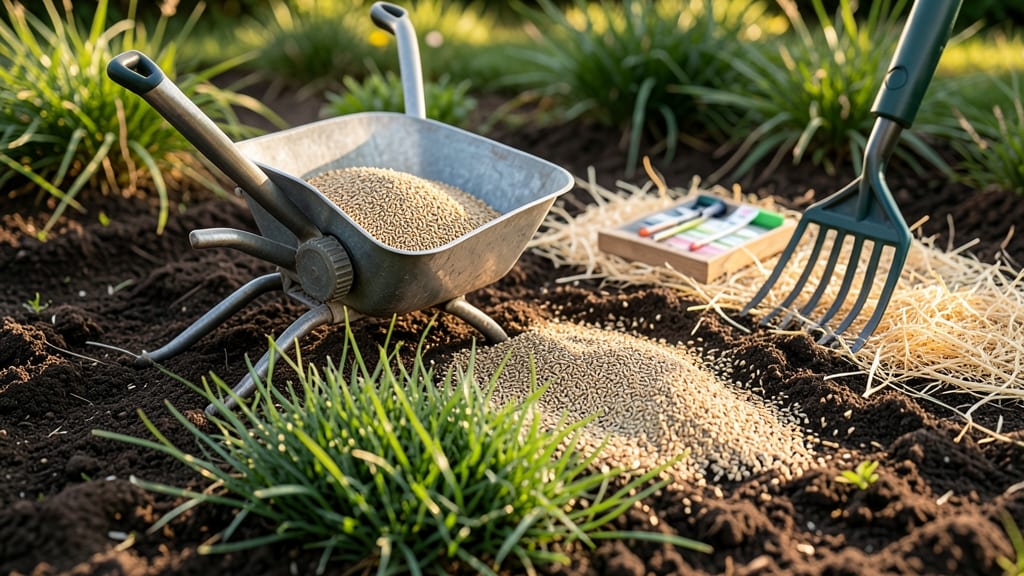
Timing your grass seed planting in Ohio can make the difference between a lush, green lawn and a patchy, weed-infested disappointment. With USDA Zone 6a conditions and varying microclimates across the state, knowing exactly when to plant is the key to success.
Most Ohio gardeners swear by early spring or fall planting for cool-season grasses like Kentucky Bluegrass, which thrive when soil temperatures hover between 50°F and 65°F.
But did you know that northern Ohio’s last frost typically arrives in mid-April, while southern regions can start planting as early as late February? Getting this right means your 🌱 seedlings will establish strong roots before summer heat or winter freeze sets in.
In this guide, I’ll break down the best planting windows for Ohio’s three distinct regions—northern, central, and southern—so you can choose the perfect time for your lawn. You’ll also discover how to prep your soil, avoid common pitfalls, and keep your new grass thriving through Ohio’s unpredictable seasons.
Whether you’re seeding a new lawn or repairing bare spots, these insights will help you skip the guesswork and create a lawn that’s the envy of your neighborhood. Let’s get started!
Best months to plant grass seed in Ohio by region
Ohio’s three distinct microclimates—northern, central, and southern—create unique planting windows for grass seed. While cool-season grasses like Kentucky Bluegrass dominate most lawns, warm-season options like Bermuda thrive only in southern regions.
Understanding your zone ensures your grass seed germinates at the perfect time, avoiding both frost and scorching summer heat.
For northern Ohio (e.g., Cleveland, Toledo), the last frost typically arrives in mid-April, making early spring (March–April) and early fall (October–November) the ideal windows.
In central Ohio (Columbus, Cincinnati), you can start as early as late February for spring planting, while southern Ohio (Lexington, Dayton) extends the window to January–February for warm-season grasses.
Here’s how to match your region to the best planting schedule:
🌱 Ohio Grass Seed Planting Guide by Region
| Region | Best Planting Months | Soil Temp for Germination | Key Prep Tip |
|---|---|---|---|
| Northern Ohio | March–April, October–November | 50°F–65°F (10°C–18°C) | Aerate compacted soil in fall |
| Central Ohio | Late February–April, September–October | 55°F–70°F (13°C–21°C) | Test pH (ideal: 6.0–7.0) |
| Southern Ohio | January–February, October–November | 60°F–75°F (16°C–24°C) | Mulch to retain moisture |
Spring planting in Ohio should begin 4–6 weeks before the average last frost date. This gives seedlings time to establish roots before summer heat stress. For example, if your last frost is April 15, aim to plant by mid-March.
In contrast, fall planting (September–November) capitalizes on cooler temps and consistent rainfall, reducing weed competition.
One common mistake Ohio gardeners make is planting too late in spring. If you miss the window, your grass may struggle with drought stress or fungal diseases from summer humidity.
Always check soil temperatures with a soil thermometer—cool-season grasses need 50°F+ to germinate, while warm-season types like Zoysia prefer 65°F+.
For northern Ohio, prioritize Kentucky Bluegrass or Tall Fescue, which tolerate colder winters. In southern Ohio, consider Bermuda Grass for its drought resistance.
Central Ohio’s transitional climate makes Fine Fescue a versatile choice for shade-prone areas. Always match your seed variety to your region’s USDA Zone 6a conditions.
After planting, keep soil moist but not soggy. Use a light mulch (straw or peat moss) to retain moisture and protect seeds from bird predation. Within 2–4 weeks, you should see sprouts—though germination times vary by variety and weather.
If you’re seeding in late fall, aim to finish by mid-October to allow roots to harden before winter.
Pro tip: Mark your calendar for Ohio’s first frost (typically mid-October in the north, later in the south). If you’re planting warm-season grass, wait until soil temps drop below 80°F to avoid heat stress on new seedlings. For cool-season grasses, early fall planting ensures strong root growth before winter dormancy.
Remember, Ohio’s humid summers and freezing winters demand careful timing. By aligning your planting schedule with your region’s climate, you’ll skip the guesswork and enjoy a lawn that’s green, dense, and resilient all season long. 🌿
How Ohio’s soil temperature affects grass seed germination
Did you know that soil temperature is just as critical as planting dates when it comes to grass seed germination? In Ohio’s USDA Zone 6a, cool-season grasses like Kentucky Bluegrass need soil temps between 50°F and 65°F to sprout reliably.
Warm-season grasses, such as Bermuda, prefer 70°F to 85°F—planting them too early can lead to slow, uneven growth or even rot.
For most Ohio gardeners, this means waiting until mid-April for spring planting or seeding in early October for fall. The key is checking soil temps with a soil thermometer—if it’s below 50°F, hold off until conditions improve.
Pro tip: Morning soil temps are usually 5-10°F cooler than afternoon readings, so test in the late afternoon for accuracy.
Here’s a quick rule of thumb: If your grass seed hasn’t sprouted within 14-21 days of planting, the soil might be too cold. Don’t panic—just wait for warmer temps or lightly rake the soil to expose seeds to better conditions. Patience here pays off with stronger root systems.
One common mistake I see is planting cool-season grass too early in February or March when soil temps are still below 50°F. The seeds may sprout, but they’ll struggle to establish roots before summer heat arrives.
Instead, aim for 4-6 weeks before your area’s last frost date—typically mid-April for northern Ohio and late March for southern regions.
For fall planting, the goal is to seed 6-8 weeks before the first frost (usually early October). This gives grass seedlings time to develop deep roots before winter dormancy.
A bonus? Fall-planted lawns often outperform spring plantings because they face less competition from weeds and better soil moisture from autumn rains.
If you’re unsure about soil temps, use this trick: Press your hand into the soil for 5-10 seconds. If it feels cool but not freezing, it’s likely in the ideal range for cool-season grasses.
For warm-season types, the soil should feel warm to the touch—almost like a summer sidewalk. When in doubt, a $10 soil thermometer from your local garden center is worth the investment.