
Planting
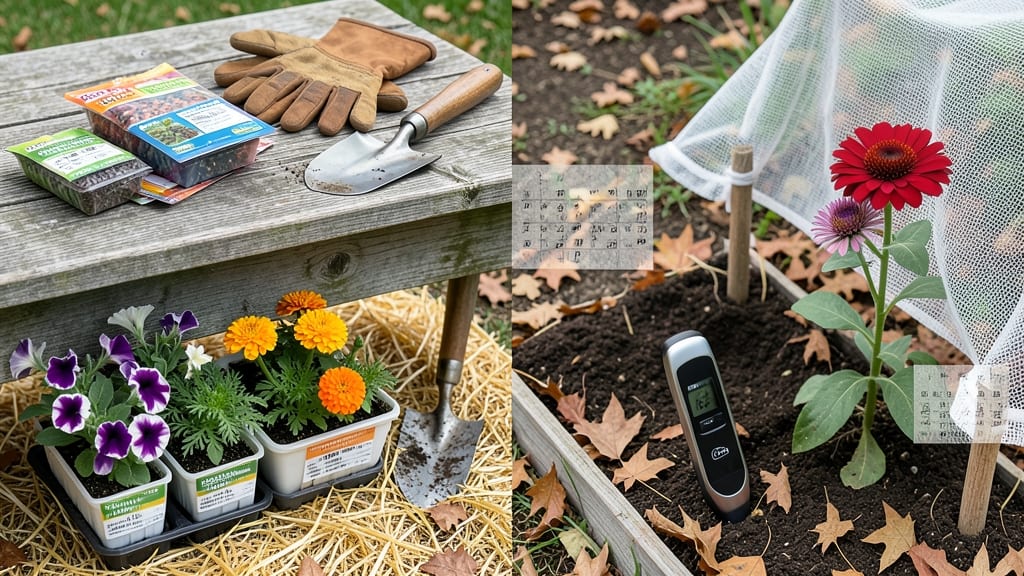
Timing your flower planting in Ohio can mean the difference between a vibrant garden and a sad, frost-killed mess—but getting it right isn’t as tricky as you might think.
With Zone 6a frost dates that typically range from mid-April to mid-October, you’ve got a surprisingly long window to get your 🌸 blooming beautifully. Whether you’re dreaming of spring pansies or summer coneflowers, knowing exactly when to plant saves you from costly mistakes and wasted effort.
I’ve learned the hard way that rushing seeds into cold soil or waiting too long for summer favorites can leave your garden looking sparse. The key is understanding Ohio’s microclimates—some areas might be ready by early April, while others need to wait until late May.
This guide will walk you through the best planting windows for annuals, perennials, and bulbs, so you can enjoy blooms from spring to fall without the guesswork.
From starting tender annuals indoors to tucking hardy perennials into the ground, we’ll cover everything you need to know. You’ll discover how to use the 10-day rule to time your plantings perfectly, plus pro tips for extending your season with row covers and succession planting.
Let’s turn your Ohio garden into a year-round showstopper—one bloom at a time.
Ready to stop second-guessing and start planting with confidence? Whether you’re a beginner or a seasoned gardener, these strategies will help you maximize your garden’s potential. Grab your gloves, and let’s get those flowers in the ground at just the right moment!
Ohio frost-free dates by Zone: when to plant flowers in 5b vs 6a
Ohio’s Zone 5b and 6a climates create a unique gardening puzzle—too early and frost zaps your tender seedlings, but too late and summer’s vibrant blooms never arrive. The key lies in understanding your last frost dates and using the 10-day rule for safe planting.
In northern Ohio (Zone 5b), expect your last frost around April 15, while southern Ohio (Zone 6a) typically warms up by April 1-10. These dates shift slightly yearly, so always check local forecasts before digging in.
For most Ohio gardeners, the ideal planting window for warm-season flowers opens 2-3 weeks after the last frost. This 10-day buffer accounts for late frosts and gives young plants time to establish roots.
For example, if your last frost hits April 20, wait until May 1 to plant heat-loving annuals like marigolds or zinnias. Cool-season flowers like pansies or snapdragons, however, can handle light frosts and should go in 4-6 weeks before your last frost.
Here’s how Ohio’s microclimates affect your planting schedule:
| Zone | Last Frost Date | First Frost Date | Planting Window | Notes |
|---|---|---|---|---|
| Zone 5b (North) | April 15 | October 15 | May 1–May 15 | Longer growing season; use row covers for early starts. |
| Zone 6a (South) | April 1–April 10 | October 20–30 | April 20–May 1 | Warmer microclimates; extend season with fall planting. |
| Urban Areas | April 5–April 20 | October 10–20 | April 25–May 10 | Heat islands delay frost; monitor local data. |
Don’t let these dates fool you—Ohio’s unpredictable late frosts can still catch gardeners off guard.
I once planted petunias in early May, only to see them wiped out by a May 10 frost in Zone 5b. To avoid this, use frost cloth or wait until May 15 for heat-loving annuals in northern areas.
For perennials like coneflowers or black-eyed Susans, you can plant as early as April 1 in Zone 6a—they’re hardy enough to handle cooler temps.
If you’re starting seeds indoors, begin 6-8 weeks before your last frost date. For Zone 5b, that means mid-February to early March, while Zone 6a gardeners can start late February to March 1.
Use a grow light to prevent leggy seedlings, and harden off plants for 7-10 days before transplanting. Pro tip: Label your seedlings with planting dates—this helps track when they’re ready for the garden!
For fall planting, Ohio’s first frost arrives between October 15 (Zone 5b) and October 30 (Zone 6a). This means you can still tuck in cool-season annuals like pansies or snapdragons in late August to early September.
These flowers thrive in cooler temps and often bloom until Christmas with proper care. Just avoid planting warm-season crops like zinnias after July 15—they won’t have enough time to mature before frost.
To stay on top of Ohio’s shifting frost dates, bookmark the NOAA’s frost prediction tool or check your local Cooperative Extension Service for updates. These resources provide hyperlocal data that can shift your planting window by 1-2 weeks.
For example, Columbus (Zone 6a) might see its last frost on April 5, while Toledo (Zone 5b) could wait until April 20. Always test your soil temperature—most flowers need 60°F+ soil to thrive.
Best flowers to plant in Ohio by season: annuals, perennials & bulbs
Ohio’s Zone 5b and 6a climate lets you grow a stunning array of flowers, but the key is matching each variety to its ideal planting window. I’ve grown everything from hardy annuals that brave early spring to heat-loving perennials that thrive in summer’s heat.
Let’s break down the best blooms for each season and when to get them in the ground for maximum impact.
For spring bloomers, start with pansies and sweet alyssum—they can handle light frosts and even add color to winter gardens if planted in late summer or early fall.
These cold-hardy annuals will reward you with cheerful blooms as soon as soil warms in March or early April. Meanwhile, tulips and daffodils should be planted in fall (October-November) so their roots establish before winter.
Pansies, Sweet Alyssum, Snapdragons, Violas
Coneflowers, Black-Eyed Susans, Daylilies, Lavender
Marigolds, Zinnias, Sunflowers, Petunias
Don’t overlook perennials like black-eyed Susans and coneflowers, which thrive when planted in spring (April-May) after the last frost. These tough beauties will return year after year with minimal care. For summer color, try zinnias and marigolds—they love Ohio’s heat and bloom until frost.
I’ve found that planting these in late May gives them enough time to establish before summer’s intensity.
If you want fall blooms, don’t forget asters and chrysanthemums. Plant them in early summer (June-July) so they’ll reward you with late-season color. And for next spring’s show, plant bulbs like tulips and daffodils in fall—this gives their roots time to grow before winter dormancy.
Pro tip: Use a bulb planter to avoid damaging roots when tucking them into the soil.
For container gardening, opt for petunias, geraniums, and nasturtiums—they’re perfect for pots and bloom all season long. Just remember to water containers daily in summer since they dry out faster than in-ground plants.
Whether you’re filling garden beds or brightening your patio, these flowers will bring color to Ohio’s seasons without the fuss.
Now that you know which flowers thrive in each season, the next step is timing your plantings to Ohio’s frost-free dates. Stick to these guidelines, and you’ll enjoy a garden bursting with blooms from spring through fall! 🌸