
Plants
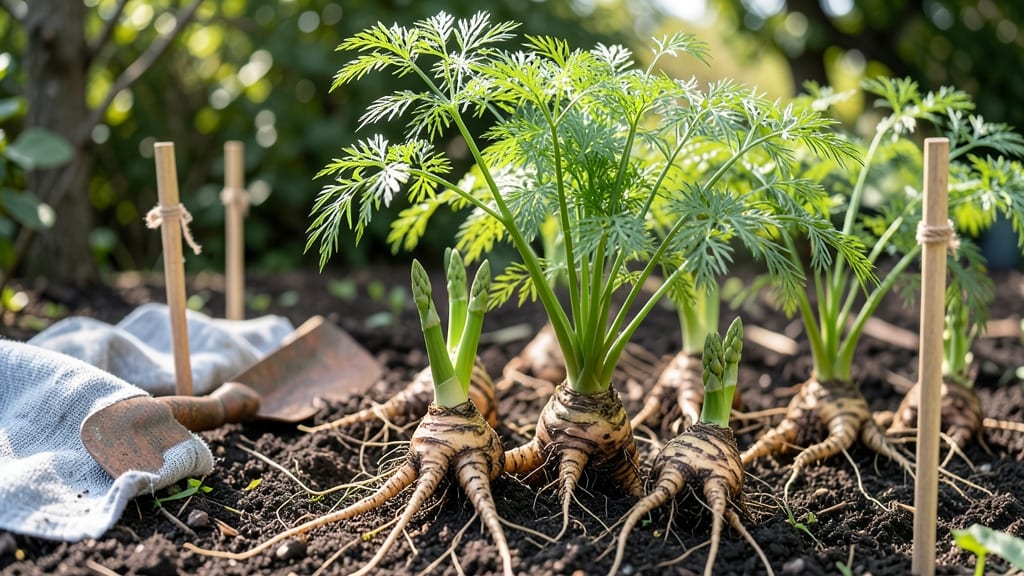
Planting asparagus in Michigan isn’t just about throwing crowns in the dirt—it’s about mastering the perfect timing to beat frost, nurture deep roots, and unlock years of harvests.
Since Michigan’s USDA Zones 5b-6b bring unpredictable swings from snow to 60°F soil, getting the window right means the difference between thriving spears and wasted effort.
Most gardeners swear by early spring planting—March to April—when soil warms to 50°F and the last frost lingers nearby. But here’s the catch: asparagus is a perennial, so one wrong move now could cost you harvests for years.
I’ll break down the exact steps to plant 🌱 asparagus crowns in trenches, mulch like a pro, and shield young shoots from Michigan’s late frosts.
What if you missed the spring window? Don’t panic—fall prep is your backup plan. We’ll cover how to condition your soil in autumn so it’s ready to welcome crowns when temperatures dip. Plus, I’ll share the one mistake even experienced gardeners make that stunts growth (and how to avoid it).
Ready to grow asparagus that outlasts frost and delivers fresh spears from May to June? Let’s dive into the Michigan-specific timing, soil secrets, and long-term care that turns your garden into a spear-producing powerhouse—for decades.
Michigan asparagus planting calendar: best months by zone and soil prep
Michigan’s USDA Zones 4-6 create ideal conditions for growing cold-hardy asparagus, but timing is everything. Unlike annuals, asparagus is a perennial vegetable that needs patience—it takes 2-3 years to establish before producing spears. The key is planting 1-year-old crowns in early spring (March-April) when soil temperatures reach 50°F.
For Michigan gardeners, the optimal planting window spans from late March to early May, just before the last frost date (typically around April 15).
This timing ensures roots establish before summer heat arrives. In northern Michigan (Zone 4), aim for late April to avoid late frosts damaging tender shoots.
Fall planting is not recommended for asparagus in Michigan due to the risk of winter heaving. However, you can prepare the soil in fall by adding compost and organic matter to improve drainage—a critical factor for asparagus roots.
| Stage | Action | Michigan-Specific Notes |
|---|---|---|
| Soil Prep (Fall) | Test soil pH (6.5-7.5) | Michigan’s clay soil often needs sand/compost for drainage. |
| Planting (March-April) | Plant crowns 6-8" deep | Use 12-inch deep trenches for better root spread. |
| First Year | No spear harvest | Focus on foliage growth for root establishment. |
| Year 2-3 | Light spear harvest | Harvest only 10-20 spears in Year 2. |
| Full Production (Year 3+) | Harvest 6-8" spears | Stop harvesting by mid-July for next year’s growth. |
Michigan’s climate variability means soil temperatures can fluctuate. Use a soil thermometer to confirm 50°F+ before planting. In southern Michigan (Zone 6), you can plant as early as late February under row covers, but avoid planting too soon—cold soil slows root growth.
Choose Michigan-friendly varieties like 'Mary Washington' or 'Jersey Knight', which thrive in USDA Zone 5-6. These varieties are disease-resistant and produce thick, tender spears that Michigan gardeners love. Avoid green asparagus varieties—they’re less cold-hardy.
Before planting, amend your soil with composted manure or well-rotted compost to provide phosphorus and potassium, which asparagus craves. Michigan’s heavy clay soils benefit from sand or peat moss to improve drainage—waterlogged roots lead to rot.
Pro tip: Mark your asparagus bed with stakes or flags to avoid disturbing roots during later harvests. Asparagus crowns can live for 15-20 years with proper care, making accurate planting the foundation for decades of harvests.
After planting, mulch heavily with straw or wood chips to retain moisture and suppress weeds. Michigan’s spring rains can lead to soil compaction, so avoid walking on the bed.
Your first harvest won’t come until Year 3, but with the right timing, you’ll enjoy fresh asparagus for generations. 🌱
Michigan asparagus planting calendar: best months by zone and soil prep
Michigan’s USDA Zones 5b-6b mean asparagus thrives here—but only if planted at the right time. The ideal window is early spring (March to April), when soil temperatures hit 50°F and last frost threats pass (mid-April in most regions).
For southern Michigan, you can start as early as late February under frost cloth, while northern areas should wait until early May if needed.
Fall planting is not recommended for asparagus crowns, as they need 60-90 days of warm soil to establish roots before winter dormancy. Instead, focus on soil prep in fall—amend beds with compost and aged manure to boost organic matter, which Michigan’s clay-heavy soils often lack.
Here’s your Michigan-specific planting calendar, tailored to soil conditions and frost dates:
Choose cold-hardy varieties like Mary Washington or Jersey Knight, which tolerate Michigan’s late frosts and hot summers. Avoid planting in low-lying areas where frost lingers, and space rows 18 inches apart to allow airflow and reduce fungal risks.
Pro tip: Use black plastic mulch in early spring to warm soil faster—a game-changer for northern Michigan gardeners. Remove it once spears emerge to prevent overheating.
Remember, asparagus is a perennial crop, meaning proper spring planting sets you up for harvests for 15–20 years. Skip the rush—wait for soil to dry out after winter’s thaw to avoid rot.