
Plants
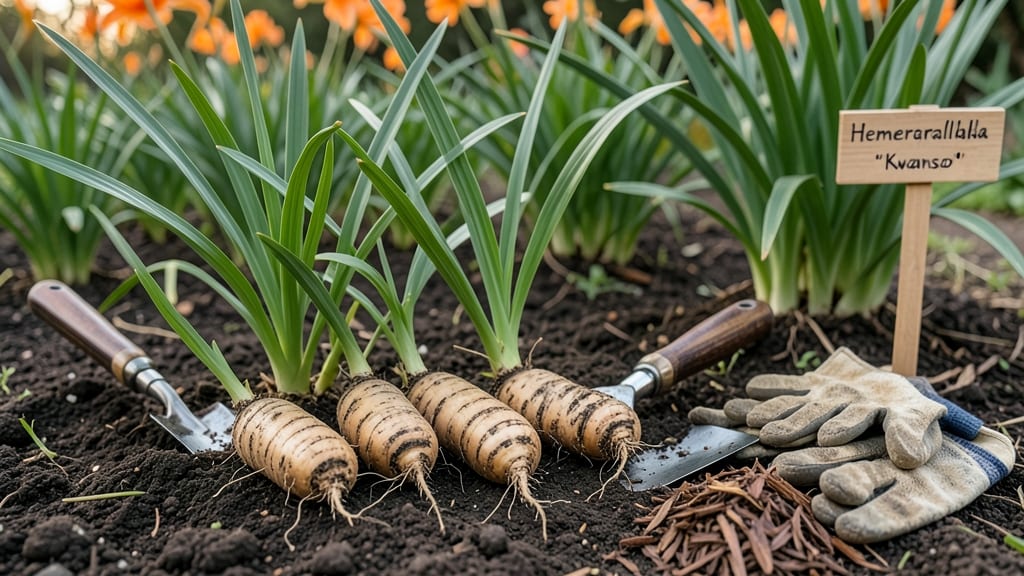
Planting your daylily 🌸 bulbs at the wrong time in Zone 9 could mean struggling growth or even lost plants—so timing is the key to vibrant blooms. Unlike cooler climates, Zone 9’s mild winters and hot summers demand a specific window where soil temps and rainfall work in your favor.
Most gardeners in Zone 9 plant daylilies in late summer, specifically between late August and early October, when the heat starts to ease but before the first frost sneaks in. This 4-6 week window gives roots time to establish without the stress of extreme heat or winter chill.
Why does this matter? Because daylilies planted too early may bake in the summer sun, while those planted too late risk weak root systems before winter. I’ll walk you through the exact steps to time it perfectly—plus soil prep tips to set your daylilies 🌸 up for success.
Ready to avoid common mistakes and get those bulbs thriving? Let’s dive into the best practices for your Zone 9 garden.
Ideal planting window for daylily bulbs in Zone 9: late summer secrets
Zone 9 gardeners know that daylilies 🌸 love warmth, but timing their planting is more nuanced than just "plant when it's warm." The perfect window for planting daylily bulbs in Zone 9 runs from late August through early October, aligning with cooling temperatures and natural rainfall patterns.
This 4-6 week period ensures bulbs establish roots before winter dormancy begins. Planting too early risks heat stress, while late planting may leave roots vulnerable to winter chill—even in mild Zone 9 winters.
Here’s why this timing works best: Soil temperatures drop below 80°F (27°C) by late August, reducing stress on new roots. Meanwhile, September and October bring more consistent rainfall, helping bulbs hydrate without relying solely on irrigation.
| Stage | Action | Key Consideration |
|---|---|---|
| Late August | Soil prep & planting | Soil temp drops below 80°F |
| September | Root establishment | Moderate rainfall boosts growth |
| Early October | Final planting cutoff | Avoid winter dormancy stress |
| November | Mulching | Protect roots from mild winter chill |
If you’re in Zone 9b (like coastal areas), you might extend planting into early November—but avoid planting after November 15 to prevent winter stress. In Zone 9a (hotter inland areas), aim for late August to mid-October to escape summer’s peak heat.
Pro tip: Check your local frost dates—even Zone 9 can see rare frost in December. Planting in late September gives bulbs 6-8 weeks to root before winter sets in.
For container planting, the same timing applies, but ensure pots have drainage holes to prevent waterlogging—a common issue in Zone 9’s occasional heavy rains.
Remember: Daylilies planted in late summer will reward you with stronger blooms next spring because their roots have time to establish before the growing season kicks off.
Now that you’ve got the timing down, let’s talk soil prep—because even the best timing won’t help if your soil isn’t ready for these hungry bulbs.
Ideal planting window for daylily bulbs in Zone 9: late summer secrets
In Zone 9, the best time to plant daylily bulbs 🌸 is during late summer, specifically between late August and early October. This window balances cooling temperatures and adequate rainfall, giving roots time to establish before winter sets in.
Planting outside this range risks heat stress or weak root growth.
Daylilies thrive when soil temperatures drop below 85°F (29°C) but stay above 60°F (15°C). In Zone 9, this typically occurs in September and October, creating ideal conditions for root development without summer’s scorching heat.
Avoid planting in early summer (June-July) when soil can bake bulbs, or in late fall (November-December), when frost may damage tender roots. The 4-6 week window between late August and early October gives you flexibility while ensuring success.
| Month | Soil Temp | Rainfall | Outcome |
|---|---|---|---|
| Late August | 75-85°F | Moderate | Good root start |
| September | 70-80°F | Increasing | Optimal growth |
| Early October | 65-75°F | Peak | Strong root system |
If you miss the fall window, early spring planting (February-March) is your second chance. However, spring-planted bulbs may bloom later in the season. Always test soil moisture before planting—bulbs should go into moist but not soggy soil.
Pro tip: Mark your calendar for September 15th as your target date. This gives you a 6-week buffer before potential frost in Zone 9’s cooler microclimates. Planting at this time ensures your daylilies establish roots before winter slows growth.
For container-grown daylilies, extend your window slightly—you can plant as late as mid-October since pots warm up faster. Just ensure they’re in a sheltered spot if frost threatens.