
Plants
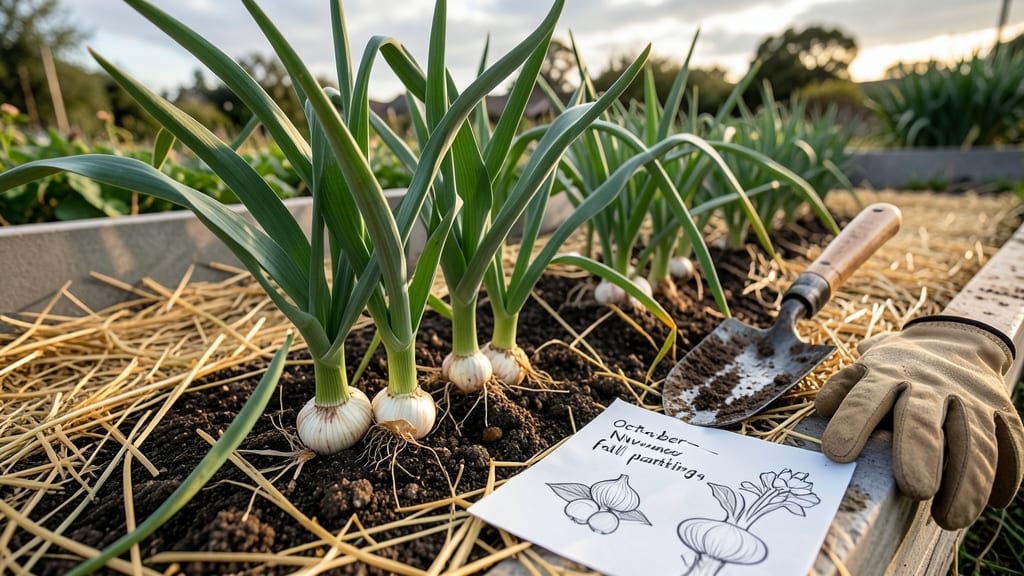
Planting your garlic 🧄 at the wrong time in Oregon can mean the difference between a bountiful harvest and wasted effort—because unlike other crops, garlic needs that perfect fall window to establish roots before winter sets in.
In Oregon’s 7b-9a zones, timing is everything: too early, and your cloves may bolt; too late, and they won’t develop properly.
The key is planting 4-6 weeks before the ground freezes, typically between October and November, depending on your microclimate—think Portland’s milder frost dates versus Eastern Oregon’s earlier freezes.
If you’ve ever wondered why some gardeners swear by early October while others wait until December, the answer lies in your local frost patterns and the type of garlic you’re growing.
Hardneck varieties, like the popular 'German White', thrive with a longer cold period, while softnecks need a gentler winter.
Let’s break down the exact planting schedule for your region, plus the top varieties that do best in Oregon’s climate—so you can set your garlic up for success from day one. Ready to dig in?
Best planting dates for garlic in Oregon by variety type
Timing your garlic planting in Oregon hinges on two key factors: your USDA hardiness zone (7b–9a) and whether you’re growing hardneck or softneck varieties. Hardnecks thrive in Oregon’s cooler winters, while softnecks prefer milder conditions.
The 4-6 week pre-frost rule is your golden guideline—plant too early, and cloves may sprout prematurely; too late, and bulbs won’t mature fully.
Oregon’s microclimates add complexity. The Willamette Valley (Zone 8–9) has later frosts (early November), while Eastern Oregon (Zone 7b) freezes sooner (mid-October). Always check the Oregon State University Extension Service frost date maps for your specific area before committing to a planting window.
For hardneck varieties (like 'German White' or 'Chesnok Red'), aim for mid-October to early November. These varieties need cold stratification to form bulbs, so planting in October gives them enough chill hours before winter dormancy.
Softnecks (like 'Silverskin') are more flexible—plant them late October to December in milder zones like Portland.
Pro tip: Use a soil thermometer to confirm the ground is 40–50°F at planting depth (4–6 inches). Cooler soils delay sprouting, reducing bolting risks in warm microclimates. In Eastern Oregon, where winters are harsher, plant hardnecks by October 15 to ensure they establish roots before frost.
🌱 Oregon Garlic Planting Guide by Variety & Region
| Variety Type | Best Planting Window | USDA Zones | Key Notes |
|---|---|---|---|
| Hardneck (e.g., 'German White', 'Chesnok Red') | Mid-October to early November | 7b–9a | Needs cold stratification; plant 4–6 weeks before frost. |
| Softneck (e.g., 'Silverskin', 'Artichoke') | Late October to December | 8–9a (milder zones) | More frost-tolerant; ideal for Portland and coastal areas. |
| Rocambole (e.g., 'Music', 'Inchelium Red') | October 1–November 15 | 7b–8b | Hybrid of hardneck/softneck; adaptable to Oregon’s zones. |
| All Varieties (Eastern OR) | September 15–October 15 | 7b | Plant earlier to avoid early frosts (Zone 7b freezes sooner). |
📌 Regional Frost Averages: Portland (Zone 8a): First frost Oct 25; Eastern OR (Zone 7b): First frost Nov 10.
If you’re in the Willamette Valley, where Zone 8–9 conditions dominate, stretch your planting window to late October. This gives softnecks extra time to establish roots before winter rains set in.
For coastal Oregon, where humidity is higher, plant hardnecks by October 10 to prevent fungal diseases like white rot.
For container growing, adjust your timeline slightly. Potted garlic warms up faster, so plant 2 weeks earlier than in-ground varieties. Use a well-draining potting mix with compost to mimic Oregon’s rich volcanic soils.
Place containers in full sun (6+ hours) and monitor soil moisture—containers dry out quicker in Oregon’s dry summers.
One common mistake? Planting garlic in spring. While possible in Zone 9a (e.g., Medford), spring-planted garlic rarely develops large bulbs. Oregon’s fall planting is non-negotiable for quality harvests. If you miss the fall window, hold off until next year—rushed spring plantings often bolt or produce small, pungent bulbs.
To maximize your harvest, pair planting with soil prep. Oregon’s clay-heavy soils in the Willamette Valley benefit from compost amendments (aim for 3–4 inches mixed into the top 12 inches).
Add a low-nitrogen fertilizer (5-10-10) at planting to support root growth without encouraging leafy topgrowth at the expense of bulb size.
Finally, label your rows! Oregon’s variable weather can make it tricky to remember which variety you planted where. Use biodegradable plant markers to track hardnecks vs. softnecks—their harvest times and storage needs differ. Hardnecks store for 6–8 months; softnecks last 12+ months.
How to adjust planting time for Oregon’s unpredictable frost
Oregon’s mild but variable climate means frost can arrive earlier in Eastern Oregon or linger later in the Willamette Valley—making the 4-6 week pre-frost rule your best guide.
Check the Oregon State University Extension Service frost maps for your area, as Portland’s last frost often hits October 31, while Eastern Oregon freezes by November 15. Planting too early risks premature bolting; too late, and roots won’t establish before winter.
Start by testing your soil temperature—garlic needs 40-50°F soil to sprout. Use a soil thermometer or dig a shallow hole; if the soil feels cold to the touch, wait a week.
For hardneck varieties, aim for October 1-15 in most of Oregon, while softnecks can stretch to November 1-15 in milder zones like the coast.
🔍 Callout Warning:
For microclimates, adjust by 1-2 weeks: high-elevation areas (e.g., Bend) need earlier planting, while coastal regions (e.g., Astoria) can wait until late October. If you’re unsure, plant a test row in early October—if it bolts by November, switch to a later date the following year.
Use row covers or cold frames for early plantings in frost-prone zones. These create a 5-10°F warmer microclimate, extending your planting window by 2-3 weeks. Remove covers in spring to prevent overheating, which can stress garlic.
Monitor weekly frost predictions from the National Weather Service and adjust your schedule accordingly. In Zone 7b (Eastern OR), aim for October 1-15; in Zone 9a (coastal), stretch to November 1-15. The goal? Roots established, leaves dormant by December.
Pro tip: Plant hardneck varieties first—they need a longer cold period (60+ days below 40°F) to form bulbs. Softnecks, like 'Silverskin', are more forgiving and can handle milder winters. Always space cloves 4-6 inches apart to prevent crowding, which weakens bulb development.