
Plants
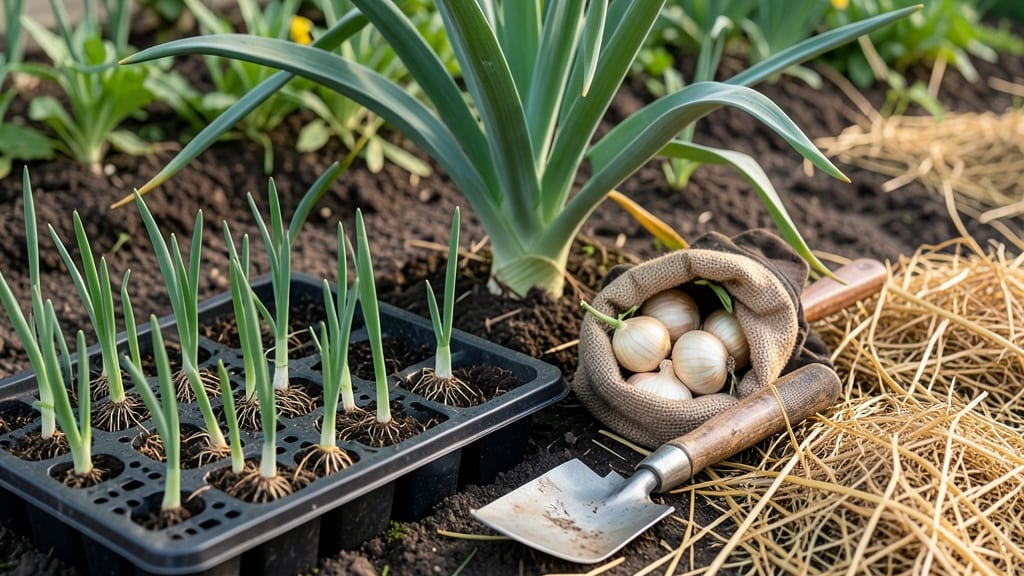
Planting onions in Georgia might seem straightforward, but getting the timing right is the difference between a bountiful harvest and wasted effort.
With the state's mild winters and long growing season, you’ve got two prime windows to plant 🧅—but one wrong move could send your onions bolting or freezing before they mature.
Whether you’re using sets, transplants, or seeds, the key is understanding Georgia’s frost dates and regional microclimates. In zones 7b to 8b, late winter to early spring (February–March) is ideal for spring onions, while late summer to early fall (August–September) works for overwintering varieties.
Skip the guesswork and plant at the right time to avoid common mistakes that ruin yields.
I’ll break down the exact month-by-month schedule tailored to Georgia’s climate, including soil prep tips and how to adjust for coastal, Piedmont, or mountain regions. By the end, you’ll know precisely when to plant for zero-frost success—no more wasted seeds or missed harvests.
Ready to grow onions that thrive? Let’s dive into the schedule that’ll have your garden producing flavorful bulbs all season long.
Georgia onion planting schedule by month: best times for sets, transplants, and seeds
Georgia’s USDA zones 7b–8b give gardeners two prime windows for planting onions: fall (September–October) and spring (February–March). Each method—sets, transplants, or seeds—has its ideal timing to avoid bolting or frost damage.
Let’s break down the month-by-month schedule tailored to Georgia’s climate, including temperature thresholds and regional adjustments.
First, understand that short-day onions (like 'Texas Early White') thrive in Georgia’s climate, while long-day varieties (e.g., 'Yellow Sweet Spanish') struggle if planted too early. For sets and transplants, aim for soil temps between 50–60°F, while seeds need warmer 60–70°F soil. Here’s your actionable timeline:
| Month | Best Planting Method | Soil Temp (°F) | Notes |
|---|---|---|---|
| September | Sets or Transplants | 55–65°F | Fall planting for overwintering; harvest next spring. |
| October | Sets or Seeds | 50–60°F | Last chance for fall; cover with mulch for frost protection. |
| November | None (Frost Risk) | — | Avoid planting; use row covers for existing crops. |
| December | None (Dormant) | — | Focus on soil prep for spring. |
| January | Sets (Early Varieties) | 50–55°F | Start early sets under frost cloth. |
| February | Sets or Transplants | 55–65°F | Primary spring planting window. |
| March | Seeds or Transplants | 60–70°F | Ideal for long-day varieties if needed. |
For spring plantings, February is your golden month—soil warms enough to prevent rot, but nights stay cool enough to delay bolting. If you miss February, March still works, but prioritize short-day varieties like '1015Y Yellow' to avoid premature flowering.
Pro tip: Use black plastic mulch in early spring to warm soil faster and extend your planting window by 1–2 weeks.
Fall planting is less common but rewarding: September–October sets can overwinter and produce larger bulbs next spring. The key is to plant 6–8 weeks before your first frost (typically
How to adjust onion planting for Georgia’s microclimates: coastal vs. Piedmont vs. mountain regions
Georgia’s diverse geography means your onion planting schedule should shift dramatically depending on whether you’re in Savannah’s coastal zone, Athens’ Piedmont hills, or Blairsville’s mountain elevations. Each region has unique frost dates, soil types, and humidity levels that directly impact your harvest. Let’s break down the adjustments you need to make for each area to avoid bolting and maximize bulb size. Coastal areas like Savannah (Zone 8a) enjoy milder winters and longer growing seasons, giving you a 6-week window to plant onions in either late summer (August) or early spring (February). The sandy soils here drain quickly, so you’ll need to water more frequently and amend with organic matter to retain moisture. Mountain regions like Blairsville (Zone 7a), on the other hand, face earlier frosts and cooler soils, pushing your ideal planting window to March or September—with a focus on cold-hardy varieties like ‘Texas Early White’.The Piedmont region (Athens, Zone 7b-8a) offers a middle ground, where you can plant onions in both fall and spring but must time it carefully to avoid winter kill. Fall plantings should happen by September 15th to allow bulbs to establish before frost, while spring plantings can start as early as February 1st. The clay-heavy soils here benefit from raised beds or compost amendments to improve drainage and prevent rot.
Humidity also plays a role—coastal areas may struggle with fungal diseases like onion smut, while mountain regions face bolting risks from inconsistent temperatures. Adjust your planting depth and spacing accordingly: coastal onions need 1 inch deeper to avoid overheating, while mountain onions should be 1 inch shallower to prevent frost damage.
Here’s how to tailor your approach based on your region:
🌱 Onion Planting Adjustments by Georgia Region
| Region | USDA Zone | Best Planting Windows | Soil Prep Tip | Key Risk |
|---|---|---|---|---|
| Coastal (Savannah) | 8a | Late August–September or February–March | Add compost to sandy soil | Fungal diseases |
| Piedmont (Athens) | 7b–8a | September 15th or February 1st–March 15th | Raise beds for clay soil | Winter kill |
| Mountain (Blairsville) | 7a | March or September | Use mulch for cold soils | Bolting |
For coastal gardeners, prioritize short-day varieties like ‘Candy’ or ‘Texas Grano’, which thrive in warmer conditions. In the Piedmont, opt for medium-day onions like ‘Yellow Granex’ to balance growth with cooler nights. Mountain gardeners should stick to long-day onions such as ‘Sweet Sandwich’, which handle shorter daylight hours better. Always check your local frost dates—the University of Georgia Extension provides updated forecasts for each county.
Pro tip: Use black plastic mulch in coastal areas to warm the soil faster in spring, while straw mulch in mountain regions helps insulate bulbs during temperature swings. Adjust your watering schedule too—coastal onions may need daily checks in summer, while Piedmont and mountain onions can go 5–7 days between waterings once established.
By aligning your planting schedule with your region’s unique conditions, you’ll avoid common pitfalls like premature bolting or frost damage while ensuring your onions reach their full flavor and size potential. 🌱