
Plants
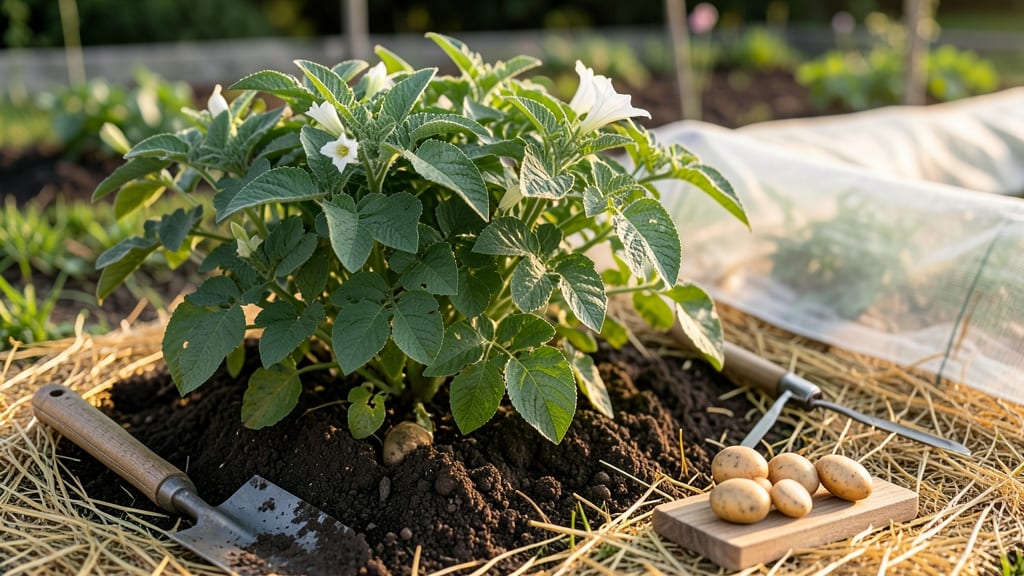
Timing when do you plant potatoes in Colorado isn’t just about the calendar—it’s about beating the frost, understanding your zone, and knowing when the soil is finally ready.
Plant too early, and you risk losing your crop to late frosts that linger well into May, especially in the Front Range (Zones 5-6) or high-altitude areas.
Most Colorado gardeners swear by mid-April to mid-May as the sweet spot, but that window shifts depending on whether you’re in the Western Slope (Zones 6-7) or the Eastern Plains (Zones 4-5).
The key? Waiting until the soil warms to at least 45°F—cold soil slows sprouting, and you don’t want your potatoes sitting in a damp, chilly earth for weeks.
Here’s the game-changer: even if your neighbors are already planting, don’t rush. A few extra weeks of patience mean stronger tubers and fewer surprises when harvest rolls around.
I’ll show you exactly how to read your local frost dates, choose the right varieties for your elevation, and even squeeze in a second planting for a fall harvest.
Whether you’re a first-time gardener or a veteran grower, getting this timing right could mean the difference between a bountiful harvest and a season of disappointment. Let’s break it down so you can plant with confidence—and start celebrating those first crisp, homegrown 🥔 potatoes by July.
Colorado potato planting dates by USDA hardiness Zone (with frost risk maps)
Colorado’s diverse climate—from the high-altitude Front Range to the Eastern Plains—means potato planting dates vary dramatically. Most gardeners in USDA Zones 4-7 should aim for mid-April to mid-May for spring planting, but timing depends on your exact location.
For example, Denver (Zone 5b) typically plants in early May, while Fort Collins (Zone 5a) may wait until late April to avoid late frosts.
The key is waiting until the soil reaches 45°F and the last frost date has passed. Colorado’s microclimates can shift frost dates by weeks, so check local Almanac frost maps or use a soil thermometer for accuracy.
High-altitude areas like Steamboat Springs (Zone 5) often plant 2-3 weeks later than Denver due to colder soils.
For fall planting, late August to early September works best in most of Colorado, allowing tubers to mature before the first frost in mid-October. This method is ideal for short-season varieties like Red Pontiac or Yukon Gold, which thrive in Colorado’s cooler nights.
| USDA Zone | Colorado Region | Planting Window | Soil Temp Threshold | Last Frost Date |
|---|---|---|---|---|
| 4-5 | Eastern Plains (e.g., Greeley) | Late April - Early May | 45°F | Mid-April |
| 5-6 | Front Range (Denver, Boulder) | Early May | 45°F | Early May |
| 6-7 | Western Slope (Grand Junction) | Mid-April - Late April | 40°F (warmer soils) | Late April |
| All Zones | Fall Planting | Late August - Early Sept | 50°F | Mid-October |
If you’re unsure about your local frost dates, use the National Weather Service’s Point Forecast tool or sign up for local CoCoRaHS alerts. Colorado’s high-altitude frost pockets (like those near Pikes Peak) can delay planting by weeks, so always err on the side of caution.
For container growing, start seed potatoes indoors in late March and transplant after the last frost. This extends your growing season by 4-6 weeks, perfect for short-season varieties like Kennebec or Russet Burbank.
Pro tip: Plant early-maturing varieties (60-70 days to harvest) in Zone 4 areas to avoid frost damage. Examples include Red LaSoda or Katahdin, which thrive in Colorado’s cooler climates.
Always test your soil’s drainage before planting—potatoes hate soggy soil. Amend with compost or sand if your garden holds water. A simple percolation test (pouring water into a hole and timing drainage) works wonders.
Colorado’s short growing season (only ~120 frost-free days in most areas) demands precision. Use row covers or black plastic mulch
How to adjust planting time for Colorado’s unpredictable weather (pro tips)
Colorado’s weather can throw a curveball—one week of unseasonable warmth followed by a late frost in May. The secret to success? Flexibility. I’ve learned to adjust planting time based on soil temperature, microclimates, and even the moon phase (yes, really!).
Start by checking your local Colorado State University Extension frost maps—these show the average last frost date for your area, but always plan to plant 2-3 weeks after that date to account for surprises.
For high-altitude areas like Fort Collins or Estes Park, where frosts linger longer, consider planting cold-hardy varieties like Red Pontiac or Yukon Gold in early April. These can tolerate 32°F soil temps better than standard potatoes.
If you’re in the Western Slope (Zones 6-7), you might even squeeze in a second planting in late August for a fall harvest—just be ready to cover them if a frost sneaks in early.
Plant seed potatoes in early April under frost cloth. This buys you 2-3 weeks of protection while soil warms naturally. Remove covers when sprouts appear.
Use a soil thermometer—potatoes need 45°F+ soil to sprout. If it’s colder, wait. Cold soil = slow growth = smaller tubers.
Place whole seed potatoes in a sunny window 2-3 weeks before planting. Sprouts (called "chits") mean faster emergence in the garden.
Raised beds warm up 10-15°F faster than in-ground soil. Ideal for short-season zones (4-5) like the Eastern Plains.
Areas like Boulder County or Clear Creek can have late frosts in May. Plant near a south-facing slope or use black plastic mulch to absorb heat.
Don’t overlook fall planting either! If you miss the spring window, try planting in late August for a harvest in October-November. Use early-maturing varieties like Red LaSoda (90-day harvest) and cover plants with straw mulch to insulate them from early frosts.
This works especially well in Denver’s urban gardens, where microclimates can extend the season.
Pro tip: Keep a planting journal for at least 3 years. Note your last frost date, soil temps, and harvest yields. Over time, you’ll spot patterns—like that year when your Fort Collins garden got hit by frost on May 12th instead of the usual May 1st.
Adjust your timing accordingly!
Remember, Colorado’s short growing season demands patience. Rushing leads to blight, stunted tubers, or worse—no harvest at all. But with these adjustments, you’ll turn even the most unpredictable weather into a potato-growing goldmine 🌱.