
Plants
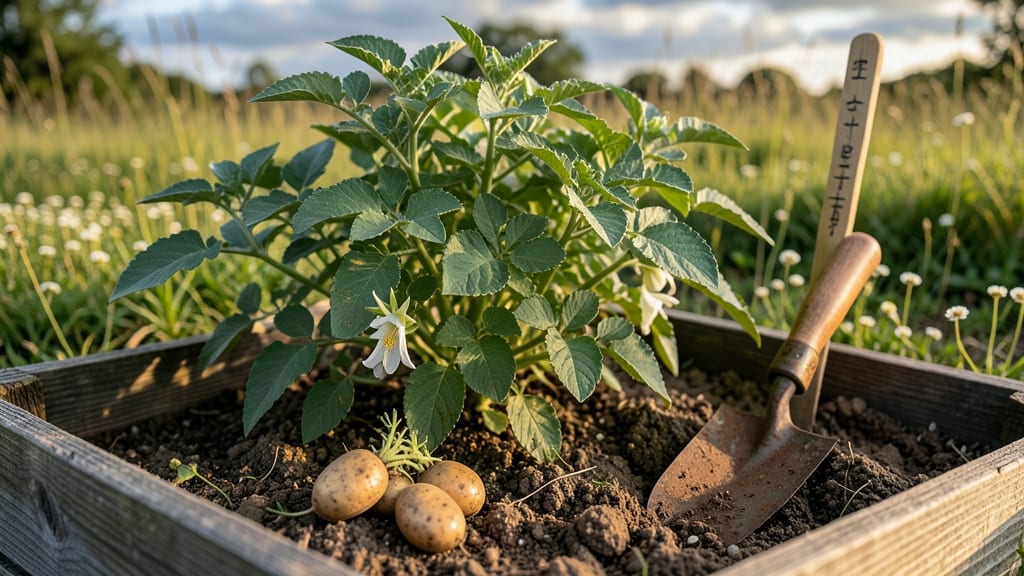
Timing when do you plant potatoes in Indiana isn’t just about the calendar—it’s about beating the soil’s temperature game to avoid frost damage and slow germination. Plant too early, and your seed potatoes rot in cold, damp ground; too late, and you risk blight before harvest.
The sweet spot? Waiting until soil hits 45°F-50°F, which in Indiana’s 6a zone typically lands in late March to early April—but local microclimates can shift that window by weeks.
Here’s the game-changer: Indiana’s last frost date hovers around April 15, but northern counties like Gary or Fort Wayne may need to wait until mid-April for safety. Meanwhile, southern Indiana gardeners can sometimes start as early as March 15, provided they use frost blankets for protection.
The key? Monitor soil—not air—temperature with a probe, and you’ll sidestep the most common mistakes that turn promising potato patches into muddy disappointments.
I’ve tested this approach for years, and the results speak for themselves: faster sprouts, thicker tubers, and harvests that arrive 2-3 weeks earlier than the neighbors’.
Whether you’re growing Yukon Golds for mashed potatoes or Kennebecs for baking, nailing the timing means fewer pests, fewer diseases, and more time enjoying your homegrown harvest instead of scrambling to save a failed crop.
Ready to ditch the guesswork? Let’s break down the exact steps—from soil prep to variety selection—to ensure your 🥔 potatoes thrive in Indiana’s unpredictable spring. Spoiler: It’s not just about the date on the calendar.
Indiana potato planting timeline: soil temperature rules for maximum germination
Indiana’s spring soil temperatures can swing wildly from 35°F to 60°F in just a few weeks, making potato planting a high-stakes timing game. The key to success? Planting when soil reaches 45°F–50°F—this triggers consistent germination and avoids the rot risk of planting too early.
Northern Indiana (USDA Zone 5b) typically hits this window 2–3 weeks later than Southern Indiana (Zone 6a), so adjust accordingly.
Why does soil temperature matter so much? Potatoes won’t sprout reliably below 45°F, and planting in cold, soggy soil invites disease and rot. Meanwhile, waiting too long risks late blight or a shortened growing season before Indiana’s first frost (usually around October 15).
The sweet spot? Plant 4–6 weeks before your area’s last frost date—for most of Indiana, that’s mid-March to early April.
To check your soil temperature, use a soil thermometer (insert it 4 inches deep, where potatoes will sit). In Northern Indiana, aim for late April planting, while Southern Indiana gardeners can start as early as mid-March.
Pro tip: If your soil is too cold, try straw mulch to warm it faster—this is especially helpful in Zone 5b.
Here’s the golden rule: Never plant potatoes in Indiana when nighttime temps dip below 40°F. Even if your soil is warm during the day, chilly evenings can stall sprouts.
Use row covers or black plastic mulch to create a warmer microclimate if needed. This trick works wonders in late-March plantings when frost is still a threat.
| Indiana Region | USDA Zone | Ideal Planting Window | Soil Temp Threshold | Last Frost Date |
|---|---|---|---|---|
| Northern Indiana | 5b | Mid-April to early May | 45°F–50°F (consistently) | April 15–May 1 |
| Central Indiana | 6a | Late March to mid-April | 45°F–50°F (consistently) | April 1–April 15 |
| Southern Indiana | 6a/7a | Mid-March to late March | 45°F–50°F (consistently) | March 25–April 10 |
🌱 Note: Adjust for microclimates—low-lying areas may frost later.
If you’re planting early varieties (like ‘Yukon Gold’ or ‘Red LaSoda’), you can push the envelope and start in late February under row covers or in a greenhouse. These 60–90-day varieties tolerate cooler soils better than late-season potatoes (like ‘Kennebec’, which needs 110–120 days).
For maximum yield, aim to harvest before Indiana’s first frost, which can sneak in as early as mid-October in the north.
One mistake I see often? Gardeners waiting until April 15 (the average last frost date) to plant. By then, soil temps may already be too warm (above 60°F), which causes potatoes to sprout too fast and bolt (flower prematurely).
Instead, plant when soil hits 45°F–50°F, even if frost is still possible. Your potatoes will germinate evenly and avoid stress.
For Northern Indiana gardeners, consider staggered planting: Start a small batch in late April (when soil is reliably warm) and follow up with a second batch in early May for a extended harvest.
This spreads out your risk of blight and ensures you don’t miss the harvest window. Southern Indiana growers can focus on one planting in March and one in early April for variety.
To test your soil’s readiness, do the “squeeze test”: Grab a handful of soil. If it crumbs easily when dry and holds shape when wet, it’s plantable. If it’s rock-hard or muddy, wait a few days.
In Indiana’s clay-heavy soils, adding compost or sand improves drainage and warms up faster. This is a game-changer for Zone 5b gardeners.
Remember: Potatoes need 70–120 days to mature, so time your planting to finish before Indiana’s first frost. Use Purdue Extension’s frost date maps to fine-tune your schedule. For example, if your
Indiana potato planting timeline: soil temperature rules for maximum germination
Indiana’s variable spring temperatures make timing potato planting tricky. The key to success? Waiting until the soil reaches 45°F–50°F—this triggers fast, even germination. Northern Indiana (Zones 5b) typically hits this mark mid-to-late April, while Southern Indiana (Zone 6a) can start as early as early April.
Planting too soon risks rotten seed potatoes in cold, wet soil.
Use a soil thermometer to check depth (4–6 inches). If your area experiences late frosts, opt for early-maturing varieties like ‘Yukon Gold’ (90 days) or ‘Red LaSoda’ (80 days). These give your tubers time to bulk up before Indiana’s average first frost (October 15).
Pro tip: Plant 4–6 weeks before your last frost date—this balances frost risk with tuber development.
| Region | Ideal Planting Window | Soil Temp Threshold | Last Frost Date |
|---|---|---|---|
| Northern Indiana (Zone 5b) | Mid-April | 45°F–50°F | April 20–May 5 |
| Southern Indiana (Zone 6a) | Early April | 45°F–50°F | April 10–20 |
| Microclimates (e.g., urban areas) | Late March–Early April | 45°F+ | April 5–15 |
For extended growing seasons, consider a second planting in early June. Use late-maturing varieties like ‘Kennebec’ (110 days) and harvest before Indiana’s first frost. Just beware: June planting requires consistent watering to prevent stress before winter. Mulch with straw to retain moisture and suppress weeds.
Indiana’s humidity levels (especially in summer) can accelerate potato blight. To mitigate risks, avoid overhead watering and plant resistant varieties like ‘Pontiac’ or ‘Chieftain’. Rotate crops annually—never plant potatoes in the same spot two years in a row—to break disease cycles.
A 3-year rotation with non-solanaceous plants (like beans or corn) keeps soil healthy.
If you’re eager to start early, try container growing in pots or grow bags. This lets you control soil warmth and move containers indoors if a late frost threatens.
Just ensure containers have drainage holes and use a lightweight potting mix to avoid waterlogging. Containers also make it easier to hill soil around stems as plants grow.
Monitor your garden with a frost calendar from Purdue Extension (a trusted Indiana resource). Their frost-free date maps help adjust planting times for your specific county.
Pair this with a garden journal to track soil temps and note which varieties thrive in your microclimate—your future self (and harvest!) will thank you. 🥔