
Plants
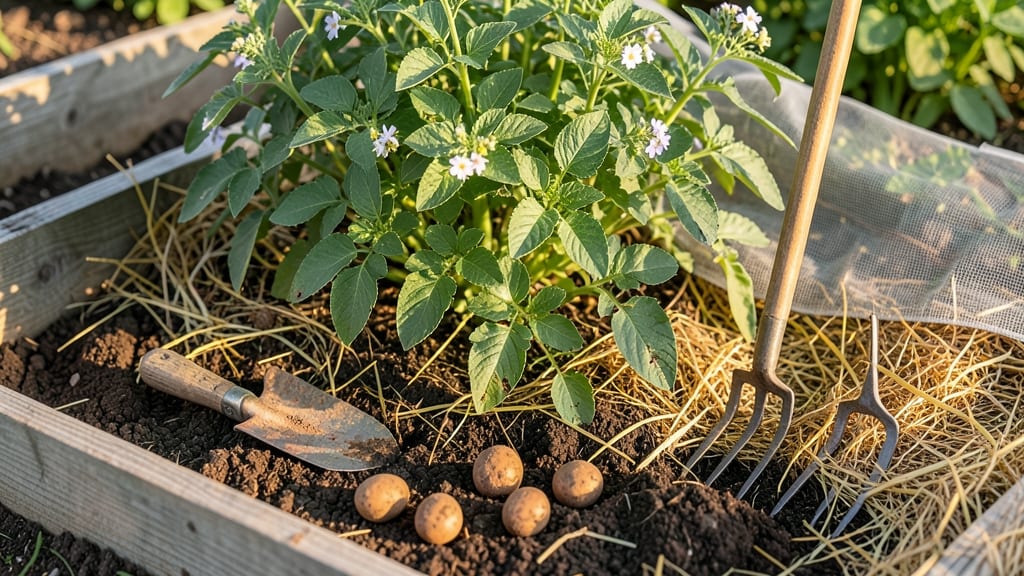
Planting potatoes in Zone 9 at the wrong time can turn your dream harvest into a sad, shrivelled mess—because the heat here isn’t just an obstacle, it’s a full-blown challenge.
Unlike cooler climates where spring planting is straightforward, Zone 9’s long summers and scorching afternoons demand a smarter approach if you want those crisp, golden 🥔 tubers you’re craving.
Most gardeners make the same mistake: waiting until late spring when the soil is already too warm, or planting too early and risking frost damage. The key isn’t just picking a date from a calendar—it’s understanding how your local microclimate behaves.
I’ve learned that timing your potatoes right means avoiding both extremes: either stunted growth from heat stress or wasted effort from frost-sensitive varieties that never even sprout.
What if I told you there’s a two-season window that actually works in Zone 9? That’s right—planting in fall/winter or early spring can give you the edge, but only if you know the exact soil temperature thresholds and variety choices that make all the difference.
Let me show you how to outsmart the heat and grow potatoes that thrive, not just survive.
From selecting heat-resistant varieties to mastering soil prep tricks, I’ll walk you through the three critical mistakes that kill Zone 9 harvests—and how to fix them before they happen. Ready to dig in?
Optimal planting windows for Zone 9 potatoes (with frost & heat risks)
In Zone 9, potatoes don’t follow the usual "spring planting" rule—your timing must account for both mild winters and intense summer heat. The two best windows are fall/winter (for early harvests) and early spring (to avoid peak heat stress).
Most gardeners fail by planting too late, when soil temperatures exceed 75°F, which stunts tuber formation.
Zone 9’s unique climate means traditional varieties often bolt or rot. Instead, focus on heat-tolerant types like Yukon Gold or Red LaSoda, which can handle 80-85°F soil temps. The key is planting when daytime highs are 70-75°F—this gives tubers time to establish before summer’s worst heat arrives.
Here’s the critical timing breakdown: Fall/Winter (Sept-Oct) for early harvests, and Early Spring (Feb-Mar) to beat the heat. Avoid planting after April 15, when soil temps often exceed 80°F, causing tubers to cook in the ground.
| Planting Window | Soil Temp Threshold | Heat Risk | Best Varieties |
|---|---|---|---|
| Fall/Winter (Sept-Oct) | 55-65°F | Low (mild temps) | Yukon Gold, Red LaSoda |
| Early Spring (Feb-Mar) | 60-70°F | Moderate (avoid April+) | Kennebec, Russet Burbank |
| Late Spring (After April 15) | >80°F (danger zone) | High (tuber scorch) | Avoid (unless shade-cloth used) |
⚠️ Pro Tip: Use a soil thermometer—potatoes need 55-75°F soil to thrive.
For fall/winter planting, aim for September-October when soil stays cool. This lets tubers mature before summer’s heat peaks. Start with seed potatoes (not grocery store potatoes) and plant 4-6 weeks before last frost—though Zone 9 rarely gets frost, timing still matters for tuber size.
In early spring, plant by March 15 to avoid soil temps over 75°F. Use black plastic mulch to warm soil faster if needed. If you miss this window, consider container growing with afternoon shade to protect tubers from heat stress.
One mistake I see often is planting too deep in hot soil. In Zone 9, bury seed potatoes only 4 inches deep—deeper planting increases heat stress. Also, water deeply 2-3x/week to keep soil moist but not soggy, which prevents tuber rot.
Remember: Zone 9’s long growing season is your advantage. By planting early, you can harvest before summer’s worst heat arrives. The goal is to finish harvesting by June 1 to avoid tuber damage from temperatures above 85°F.
If you’re new to Zone 9 potatoes, start small with 10-15 seed potatoes to test timing. Track your soil temps for a week to find the sweet spot—this data will save your next harvest from heat stress.
Finally, rotate planting locations yearly to prevent disease buildup. Potatoes are heavy feeders, so amend soil with compost and aged manure before planting. This gives your tubers the nutrients they need to fight off Zone 9’s heat and pests.
Optimal planting windows for Zone 9 potatoes (with frost & heat risks)
In Zone 9, the two best planting windows for potatoes are fall/winter and early spring, but the timing must align with soil temperatures and local microclimates. Unlike cooler zones, Zone 9’s long summers mean potatoes planted too late will bolt or produce small, tough tubers.
The key is to plant when soil temps are between 50°F and 60°F—cooler than most gardeners think is ideal.
Fall/winter planting (September–November) lets you harvest before summer heat sets in. Early spring planting (February–March) works if you use cold-hardy varieties and protect seedlings from unexpected frost. The mistake most Zone 9 gardeners make?
Waiting until April or May when the soil is already too warm, leading to stunted growth or even plant death from heat stress.
Here’s the breakdown of your two planting windows, including frost risks and heat tolerance thresholds:
| Planting Window | Soil Temp Range | Frost Risk | Heat Risk | Best Varieties |
|---|---|---|---|---|
| Fall/Winter (Sept–Nov) | 50°F–60°F | Low (if no frost forecast) | None (harvest before summer) | Yukon Gold, Red LaSoda |
| Early Spring (Feb–Mar) | 50°F–60°F | Moderate (protect seedlings) | High (if planted too late) | Kennebec, Purple Viking |
Zone 9’s heat tolerance limit for potatoes is around 85°F. If soil temps exceed this, tubers stop forming, and plants may die. That’s why fall/winter planting is often more reliable—you harvest before summer’s peak heat. For early spring plantings, use shade cloth or mulch heavily to keep roots cool.
Pro tip: Test your soil temperature with a soil thermometer before planting. If it’s above 65°F, wait or opt for fall planting. The goal is to give your potatoes 4–5 months of cool growth before summer’s heat arrives.
One final rule: Never plant potatoes in Zone 9 after April unless you’re using container gardening with afternoon shade. The heat will turn your crop into a sad, shriveled mess—trust me, I’ve tried! 🥔