
Flowers
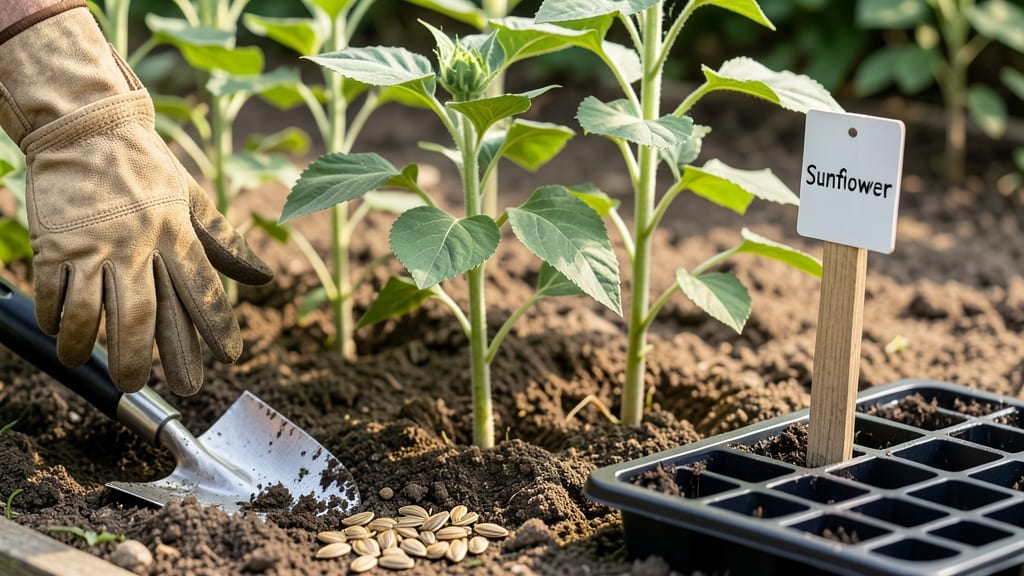
To grow sunflowers that reach sky-high glory in Alabama, timing is everything—plant too early and frost will nip them, too late and summer’s heat will stifle their growth.
Alabama’s Zone 7b-8a gives you two prime windows: spring’s gentle warmth or late summer’s lingering heat, both perfect for coaxing those 🌻 giants from seed to bloom.
Most gardeners in Alabama swear by the March 15–May 1 window for spring planting, when soil warms enough to encourage quick germination. But don’t overlook late summer’s July 15–August 15 slot—this second chance lets you enjoy towering blooms well into fall, just as the first frost looms.
Whether you’re direct-sowing seeds or transplanting young plants, the key is patience and prep. Loosen the soil, space seeds 6 inches apart, and watch as they shoot up toward the sun—with the right timing, your sunflowers will stand taller than your fence by harvest season.
Ready to turn your Alabama garden into a sunflower spectacle? Let’s break down the exact steps to maximize your blooms, from soil prep to post-planting care that keeps those stalks sturdy until harvest.
Best planting dates for sunflowers in Alabama’s zones 7b-8a
Alabama’s Zone 7b-8a climate gives you two ideal windows to plant sunflowers: spring and late summer. The key is avoiding late frosts (which can kill young seedlings) and peak summer heat (which stresses plants).
For spring planting, aim for March 15–May 1, when soil temperatures consistently stay above 50°F.
In North Alabama (Zone 7b), where frosts linger longer, wait until April 1 to plant. Meanwhile, South Alabama (Zone 8a) gardeners can start as early as March 1, thanks to milder winters.
Late summer’s July 15–August 15 window is perfect for a second crop, ensuring blooms before first frost in November.
Direct sowing is the easiest method for sunflowers—they hate being transplanted. Drop seeds 1 inch deep and 6 inches apart, then thin seedlings to 12–18 inches apart once they’re 4–6 inches tall. This spacing ensures each plant gets enough sunlight and air circulation.
| Planting Window | Soil Temp | Frost Risk | Best Varieties | Harvest Window |
|---|---|---|---|---|
| March 15–May 1 (Spring) | 50°F+ | Low (after last frost) | 'Moulin Rouge', 'Autumn Beauty' | June–September |
| July 15–August 15 (Late Summer) | 60°F+ | None (before first frost) | 'ProCut Hybrid', 'Russian Giant' | September–October |
For North Alabama gardeners, consider using row covers or cold frames to start seeds indoors in February and transplant after the last frost. This gives you a head start on the 60–90-day growth cycle needed for full-size sunflowers.
If you’re in South Alabama, where winters are milder, you can even experiment with winter planting in December for early blooms. However, sunflowers planted this late may struggle with daylength sensitivity and produce smaller flowers.
Always test your soil pH before planting—sunflowers prefer 6.0–7.5. Amend heavy clay soils with compost or sand to improve drainage, as waterlogged roots lead to rot. A balanced fertilizer (10-10-10) applied at planting time ensures robust growth.
After planting, keep seeds consistently moist (not soggy) until germination, which typically occurs in 7–14 days. Once seedlings emerge, reduce watering slightly to once a week to encourage deep root growth. Mulch around the base with straw to retain moisture and suppress weeds.
Pro tip: Tall varieties (8+ ft) like 'Russian Giant' need staking or planting near a fence to prevent toppling in Alabama’s summer storms. For shorter varieties like 'Teddy Bear,' spacing can be closer (12 inches apart) without sacrificing sunlight.
By following these timing guidelines, your sunflowers will stand 10–14 feet tall by harvest—turning your Alabama garden into a sunlit masterpiece that attracts pollinators and brightens every season. 🌻
Best planting dates for sunflowers in Alabama’s zones 7b-8a
Alabama’s Zone 7b-8a climate means you’ve got two golden opportunities to plant sunflowers: once in spring and again in late summer. The key is planting when soil temperatures hit 60°F+—cold soil slows germination, so don’t rush.
In North Alabama (closer to Zone 7b), aim for mid-March to early April, while South Alabama (Zone 8a) can start as early as late February if your soil is warm.
For late-summer sunflowers, the window is July 15–August 15. This second planting lets you enjoy blooms well into fall, just before the first frost. Just be sure to choose fast-maturing varieties (like ‘Moulin Rouge’ or ‘Autumn Beauty’) to avoid late-season heat stress.
Here’s how to align your planting with Alabama’s frost-free dates and microclimates:
| Planting Window | Zone 7b (North AL) | Zone 8a (South AL) | Soil Temp Threshold | Notes |
|---|---|---|---|---|
| Spring Planting | March 15–April 15 | February 28–April 15 | 60°F+ | Wait for last frost (avg. March 15). Use row covers if early planting. |
| Late Summer Planting | July 15–August 15 | July 1–August 20 | 65°F+ | Choose heat-tolerant varieties. Harvest before first frost (avg. Nov 15). |
Direct sowing is the easiest method for sunflowers—they hate being transplanted. Drop seeds 1 inch deep and 6 inches apart, then thin seedlings to 12–18 inches apart for full sun exposure. If you’re transplanting (for early starts), use biodegradable pots to avoid root shock.
Alabama’s humidity can be tricky—overwatering leads to fungal issues like powdery mildew. Once established, sunflowers are drought-tolerant, but young plants need consistent moisture. Water deeply in the morning to let foliage dry before evening, reducing disease risk.
Pro tip: Add a 1-inch layer of mulch around plants to retain moisture and suppress weeds. This is especially critical in Alabama’s hot, dry summers, where mulch acts like a life jacket for your sunflowers.
With the right timing, your sunflowers will shoot up like sky-scrapers, reaching heights of 8–14 feet by harvest. Just remember: patience and prep are your best tools in Alabama’s variable climate.