
Flowers
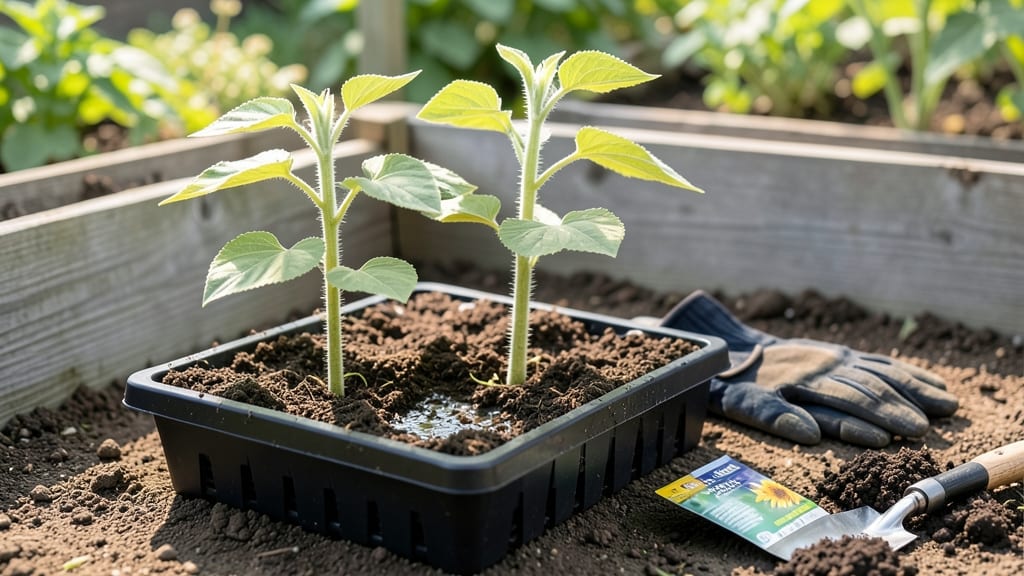
Planting sunflowers in Georgia at the wrong time can turn your bright dreams of towering 🌻 blooms into a sad, wilted disappointment—especially when frost sneaks in or summer heat arrives too soon.
If you’ve ever wondered why some gardens thrive with sunflowers while others struggle, the answer lies in timing. Georgia’s USDA Zones 7b-8b offer a narrow window between frost and scorching heat, making the right planting schedule the key to success.
Most gardeners in Georgia plant sunflowers between mid-April and early June, but the best time depends on your region—whether you’re in the Coastal Plain, Piedmont, or Mountains. I’ll break down the exact dates and share pro tips to extend your growing season.
Whether you’re aiming for early summer blooms or late-season harvests, getting the timing right means fewer headaches and more vibrant sunflowers from late July to October. Let’s make sure your garden gets it right the first time.
Georgia’s sunflower planting timeline: frost dates & optimal months
Georgia’s sunflower planting schedule hinges on two critical factors: last frost dates and soil temperature. Most of the state falls within USDA Zones 7b-8b, where the average last frost date ranges from mid-March in northern regions to early March in southern areas.
For sunflowers, this means you can start planting 4-6 weeks after frost, typically between mid-April and early June.
Sunflowers thrive in warm soil, ideally above 60°F (15°C). If you plant too early, seeds may rot in cold, damp soil. Use a soil thermometer to confirm readiness—wait until temperatures consistently stay above 60°F for at least a week before sowing.
For fall blooms, you can also plant sunflowers in late summer (August), giving them time to mature before the first frost, which typically arrives in mid-November. This second planting window works best for shorter varieties like Teddy Bear, which mature faster.
Georgia’s three distinct climate zones—Coastal Plain, Piedmont, and Mountain—each have slightly different frost patterns. Coastal areas (Zone 8b) enjoy longer growing seasons, while mountain regions (Zone 7b) face earlier frosts. Adjust your planting timeline accordingly to avoid frost damage to young seedlings.
Here’s a quick reference for Georgia’s sunflower planting windows by region:
| Region | USDA Zone | Last Frost Date | Planting Window | First Frost |
|---|---|---|---|---|
| Coastal Plain | 8b | Early March | Mid-April to early June | Late November |
| Piedmont | 7b-8a | Mid-March | Late April to early June | Mid-November |
| Mountain | 7b | Late March | Early May to early June | Early November |
If you’re aiming for tall varieties like Mammoth, plant them in late April or early May to ensure they have enough time to reach maturity before winter. These giants can grow 10-14 feet tall and need a long, frost-free season to thrive.
For dwarf varieties, such as Sunspot, you have more flexibility. They mature in 50-60 days, making them ideal for late summer plantings (August) or even container gardening on patios and balconies.
Always monitor local weather forecasts and use row covers if an unexpected frost threatens young seedlings. A few degrees of frost can stunt growth or kill tender sprouts, so plan ahead to protect your sunflower investment.
Remember, sunflowers are annuals with a fast growth cycle. Once planted, they’ll reward you with bold blooms in as little as 8-12 weeks, making them one of Georgia’s most rewarding summer flowers.
🌻
Georgia’s sunflower planting timeline: frost dates & optimal months
Georgia’s USDA Zones 7b-8b create a unique challenge for sunflower growers—too early and frost zaps tender seedlings, too late and summer heat stunts growth. The sweet spot? Planting after your last average frost date, which typically falls between mid-March and early April depending on your region.
In the Coastal Plain (e.g., Savannah), you can start as early as mid-March when soil temperatures reach 55°F+. Meanwhile, in the Piedmont (e.g., Atlanta) or Mountains (e.g., Blue Ridge), wait until late April to avoid late frosts that can kill young plants.
For most of Georgia, the optimal planting window is mid-April to early June. This schedule ensures sunflowers mature before summer’s intense heat arrives, giving you 80-120 days of growth before first frost in November.
🌱 Georgia Sunflower Planting Timeline
| Region | Last Frost Date | Best Planting Window | First Frost Risk |
|---|---|---|---|
| Coastal Plain | Mid-March | March 20 - April 15 | Low (Zone 8a) |
| Piedmont | Late March - Early April | April 15 - May 1 | Moderate (Zone 7b) |
| Mountains | Early April | April 30 - May 15 | High (Zone 7a) |
🌡️ Pro Tip: Use a soil thermometer—sunflowers need soil temps of 55°F+ to germinate.
If you miss the spring window, don’t despair! Sunflowers are heat-tolerant and can handle Georgia’s summer heat. For a late-season harvest, plant again in late July—these "fall sunflowers" will bloom just in time for October harvests before frost hits.
For extended bloom times, try staggered planting: Sow seeds every 2-3 weeks from April through June. This ensures continuous flowers from July to October, giving your garden a non-stop sunflower show.
Remember, Georgia’s first frost typically arrives in mid-November, but mountain regions can see frost as early as late October. Plan accordingly to avoid losing your hard work to a sudden chill.