
Plants
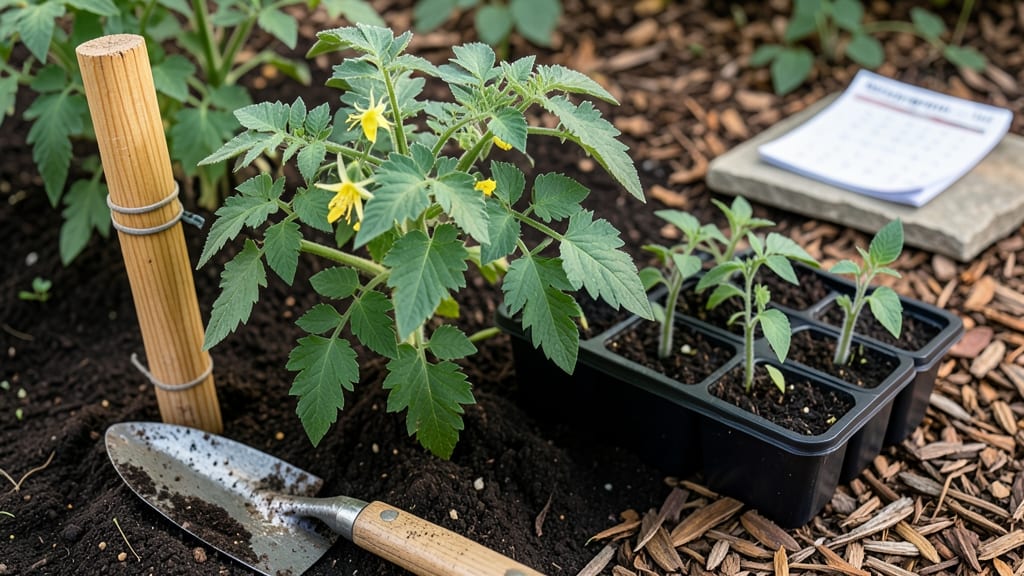
Planting tomatoes in Alabama isn’t just about grabbing seedlings and sticking them in the dirt—it’s about working with your Heat Zone 8A/8B climate to avoid frost damage or wilting under summer’s brutal sun.
The wrong timing can mean the difference between a bountiful harvest and wasted effort, especially when Alabama’s unpredictable spring and fall transitions throw off even the most seasoned gardeners.
For 🍅 lovers in Alabama, the ideal window to plant tomatoes is mid-March to early May (after your last frost) or late July to early August for a fall harvest—but that’s just the start.
Soil temperature, variety selection, and even microclimates play a huge role in whether your plants thrive or struggle. Let’s break down the exact schedule and strategies to maximize your yield, no matter where you are in the state.
You don’t have to guess whether your tomatoes will survive Alabama’s heat or early blight—just follow the proven timeline for transplanting seedlings and direct sowing. We’ll cover how to prep your soil, choose the right varieties for your zone, and even extend your growing season with simple tricks.
Ready to grow tomatoes that actually make it to harvest?
From avoiding common mistakes (like planting too late for spring) to adjusting for Alabama’s clay-heavy soils, this guide gives you the localized insights you need.
Whether you’re a beginner or a veteran gardener, these tips will help you beat the heat, outsmart pests, and enjoy homegrown tomatoes from June to November.
Best planting dates for tomatoes in Alabama heat zones 8A/8B
Alabama’s Heat Zones 8A/8B give gardeners a 240-day frost-free window, making it possible to grow tomatoes in both spring and fall. However, timing is critical—plant too early, and seedlings face late frost risks; too late, and summer’s 90°F+ heat stunts growth.
The key is aligning planting with soil temperatures (ideal: 60°F+) and microclimates (North vs. South Alabama).
For spring planting, start indoor seedlings 6-8 weeks before your last frost date (typically late February to early April). In North Alabama (Zone 7b), transplant outdoors by mid-April; in South Alabama (Zone 8b), you can plant as early as late March.
For fall harvests, sow seeds late July to early August for a late-season bounty before first frost (mid-November).
Black plastic mulch is a game-changer in Alabama—it warms soil 10°F faster than bare earth, letting you plant 2-3 weeks earlier in spring. Pair this with heat-tolerant varieties like ‘Celebrity’ or ‘Heatmaster’ to beat summer’s intensity. Without mulch, wait until May 1st to avoid heat stress on young plants.
Alabama’s clay-heavy soils drain poorly, so amend beds with compost or aged manure 4-6 weeks before planting. Aim for a pH of 6.2–6.8—test your soil and adjust with lime (to raise pH) or sulfur (to lower it).
In containers, use a lightweight potting mix with perlite to prevent root rot, which thrives in Alabama’s humid summers.
For succession planting, stagger sowings every 2 weeks from March to June. This ensures a continuous harvest and reduces pressure from tomato hornworms, Alabama’s #1 tomato pest. Pair this with row covers for young plants to deter early blight, common in Alabama’s damp springs.
If you’re in South Alabama (Zone 8b), you can even try year-round tomatoes using greenhouse or cold-frame protection. Start winter seedlings in December for an early spring harvest before the heat peaks. Just beware of aphids and whiteflies, which thrive in Alabama’s mild winters.
Pro tip: Mark your planting dates on a garden calendar and track soil temps with a soil thermometer. Alabama’s weather is unpredictable—heatwaves in April or late frosts in May can derail your plans. Stay flexible and adjust based on real-time conditions.
Remember, tomatoes need 6-8 hours of sun daily. In Alabama’s intense summer sun (11 AM–3 PM), provide afternoon shade with shade cloth to prevent sunscald. This simple step can double your yield during peak heat.
🌱
Best planting dates for tomatoes in Alabama heat zones 8A/8B
Alabama’s Heat Zones 8A/8B give you a unique advantage—you can grow tomatoes almost year-round, but precision is key. The last frost date in Alabama typically falls between late February and early April, depending on your region, while the first frost arrives around mid-November.
This means your primary planting window spans from mid-March to early May for spring harvests, with a second chance from late July to early August for fall crops.
For direct sowing (planting seeds directly in the ground), aim for late April to early May when soil temperatures consistently stay above 60°F. Seedlings planted earlier risk stunting in cool soil, while late sowing may not yield mature fruit before summer’s heat sets in.
If you’re using transplants, start them indoors 6-8 weeks before your target outdoor date to give them a head start.
Here’s the exact timeline for Alabama gardeners, broken down by month to ensure your tomatoes thrive:
| Month | Action | Notes |
|---|---|---|
| March | Start transplants indoors | Use grow lights for 12+ hours/day |
| April | Hardening off seedlings | Acclimate for 7-10 days before outdoor planting |
| Mid-April to Early May | Transplant seedlings outdoors | After last frost, soil temp ≥60°F |
| Late April to Early May | Direct sow seeds | Ideal for heat-tolerant varieties |
| Late July to Early August | Plant for fall harvest | Choose early-maturing varieties |
Alabama’s clay-heavy soils can slow down seedling growth, so always amend with compost or use raised beds to improve drainage. If you’re in North Alabama (Zone 7b), err on the side of planting 1-2 weeks later than the schedule above to avoid late frosts.
For South Alabama (Zone 8b), you can push the envelope slightly earlier, especially if you use black plastic mulch to warm the soil faster.
Pro tip: Succession planting every 2-3 weeks after your initial date ensures a continuous harvest. For example, plant one batch in mid-April, another in early May, and a final one in late July to stretch your season.
This works especially well for cherry tomatoes, which mature quickly and are perfect for Alabama’s heat.
Timing isn’t just about the calendar—it’s about soil temperature, variety selection, and microclimates. If your yard has a shady spot or poor drainage, adjust your planting date by 1-2 weeks later to avoid stressing your plants.
With these dates and tips, you’ll be well on your way to a bountiful tomato harvest that lasts from June to November. 🌱