
Plants
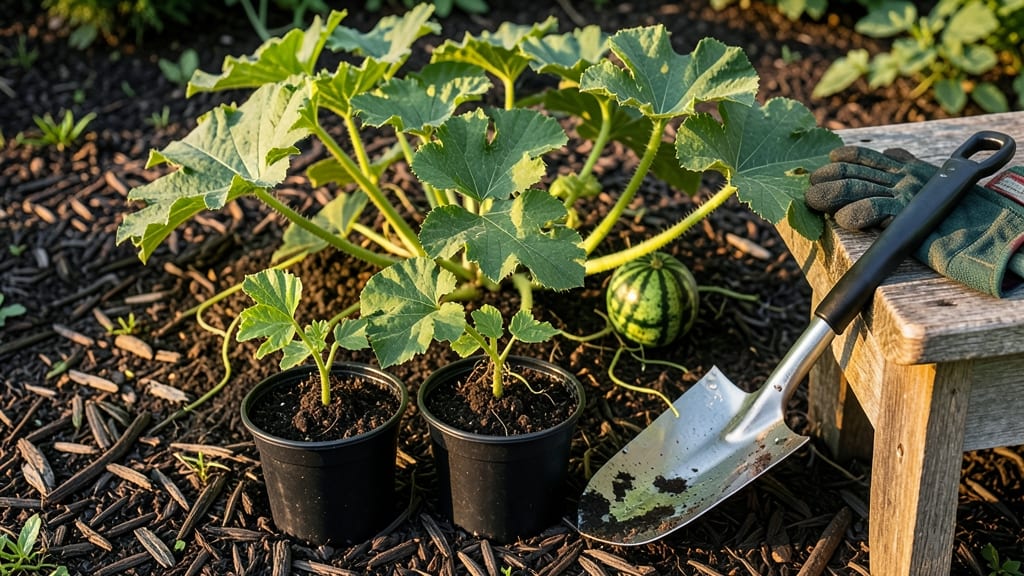
Planting watermelon in North Carolina can feel like a high-stakes game of timing—get it wrong, and you might end up with wilted vines or bitter fruit. The key to success lies in waiting for the soil to warm up after the last frost, which varies dramatically across the state's regions.
Whether you're in the humid Coastal Plain or the cooler Mountain zones, knowing the exact window to plant your 🌱 watermelon seeds or transplants makes all the difference.
For most of North Carolina, the ideal time to plant watermelon seeds is between mid-April and early May, once the soil temperature consistently stays above 60°F. If you're using transplants, you can start slightly earlier—around late April—so long as the threat of frost has passed.
The goal is to give your plants a head start before summer's intense heat arrives, ensuring they have enough time to mature before the first frost in fall.
This isn't just about avoiding frost—it's also about making the most of North Carolina's diverse climate. In the warmer Coastal Plain, you might even get a second planting window in early summer for a late-season harvest.
Meanwhile, gardeners in the Mountains or Piedmont need to act quickly to maximize their growing season. I'll break down the exact frost-free planting schedule for NC's five key regions, so you can set your calendar and get ready to enjoy homegrown watermelon.
Ready to grow watermelons that rival the ones at the farmers' market? Let’s dive into the step-by-step planting timeline tailored to your specific corner of North Carolina, including soil prep, seed spacing, and regional adjustments to keep your vines thriving all summer long.
North Carolina watermelon planting dates by last frost date (2024 guide)
North Carolina’s diverse climate means your planting timeline should match your region. The last frost date is your starting point, but soil temperature and local microclimates play just as big a role.
For watermelons, which thrive in warm soil (60°F+), timing can mean the difference between a thriving vine and a failed crop.
Let’s break down the ideal planting windows for NC’s five key regions, so you can set your calendar and get those seeds in the ground at the perfect moment.
Most gardeners in North Carolina plant watermelon seeds directly in the garden rather than starting indoors, since watermelon seedlings are sensitive to transplant shock. However, if you’re using transplants, you’ll want to get them in the ground 2-3 weeks before your region’s last frost date.
The key is to wait until the soil temperature consistently stays above 60°F—cold soil slows germination and weakens young plants. Use a soil thermometer to check, or wait until nighttime temperatures stay above 55°F.
Here’s a quick regional breakdown to get you started. Whether you’re in the humid Coastal Plain or the cooler Appalachian Mountains, these dates will help you align your planting with your local climate.
Remember, watermelons need a long growing season (75-90 days), so timing is everything to avoid a late-season frost cutting your harvest short.
If you’re planting seeds directly in the garden, aim to sow them 1-2 inches deep, spacing them 6 inches apart in rows that are 5-6 feet apart. This spacing gives vines room to sprawl and reduces competition for nutrients.
For transplants, space them 2-3 feet apart in a hill or mound of soil to improve drainage and warmth. In regions like the Coastal Plain, where summers are long and humid, you might even get a second planting window in early July for a late-season harvest.
For gardeners in the Mountains, where the growing season is shorter, focus on early-maturing varieties like ‘Sugar Baby’ or ‘Crimson Sweet’, which can produce fruit in as few as 70 days. These varieties are also more cold-tolerant, giving you a slight edge in cooler microclimates.
Always check the seed packet for days to maturity and adjust your planting date accordingly—you want to avoid a late frost ruining your crop before it ripens.
One common mistake I see in North Carolina gardens is planting watermelons too early in hopes of a longer growing season. Cold soil and chilly nights stress young plants, leading to stunted growth or even death.
Instead, use a black plastic mulch to warm the soil faster and protect seedlings from temperature swings. This technique is especially useful in the Piedmont and Sandhills, where soil can stay cool longer after frost.
Pro tip: If you’re unsure about your local frost dates, check the NC State Extension’s Frost/Freeze Probability Maps or use a frost calendar app like Old Farmer’s Almanac. These tools provide real-time updates and can help you fine-tune your planting schedule.
Once you’ve nailed down your dates, mark them on your calendar and get ready for a season of juicy, homegrown watermelons that’ll put store-bought varieties to shame.
Ready to dive deeper? In the next section, I’ll share strategies for extending your watermelon season in North Carolina’s shorter growing zones, including row covers and succession planting techniques to maximize your harvest. 🌱
How to extend your watermelon season in North Carolina’s short growing zones
If you live in North Carolina’s cooler regions like the Mountains or Piedmont, you know the growing season feels like a race against time. Watermelons need 75-90 days to mature, and a late frost can wipe out your crop before you even taste that first juicy bite.
The good news? With a few smart strategies, you can push your harvest window and even squeeze in a second planting for a late-summer treat.
First, choose cold-hardy watermelon varieties like 'Crimson Sweet' or 'Sugar Baby', which tolerate cooler soil better than heat-loving heirlooms. These varieties also mature faster, giving you a better chance of success in shorter seasons.
Pair them with black plastic mulch to warm the soil up to 80°F—this can shave off critical days before your vines are ready to grow.
🌱
Lightweight floating row covers can shield young seedlings from unexpected late spring frosts (common in Asheville or Boone). Remove covers once plants are 3-4 inches tall to avoid overheating.
Raised beds warm up 2-3 weeks faster than in-ground soil. Fill them with compost-rich mix to boost fertility and drainage—critical for watermelons in clay-heavy Piedmont soils.
In Coastal NC or Sandhills, plant a second batch of fast-maturing varieties (like 'Early Moonlight') in early June. Use drip irrigation to keep soil moist during summer’s peak heat.
For a fall harvest, build a simple cold frame over mature vines in late September. This can delay frost damage by 2-3 weeks, giving you time to harvest before winter sets in.
Use a soil thermometer to confirm temps are 70°F+ before planting. In Mountain zones, wait until mid-May—rushing seeds into cold soil leads to rot and poor germination.
Don’t overlook the power of mulching—straw or wood chips suppress weeds, retain moisture, and keep roots cool during Piedmont’s brutal July heat. This is especially important if you’re using drip irrigation, as watermelons need 1-2 inches of water per week but hate soggy soil.
For urban gardeners with limited space, consider container-grown watermelons. Varieties like 'Tiny Tim' thrive in 5-gallon buckets and can be moved to sunnier spots as the season progresses. Just ensure containers have drainage holes and use a lightweight potting mix to avoid root rot.
Finally, keep an eye on the forecast. If a heatwave over 95°F is predicted, provide afternoon shade with shade cloth to prevent blossom drop—a common issue in NC’s humid summers. With these tweaks, even the shortest growing seasons can yield sweet, homegrown watermelons by late summer.