
Plants
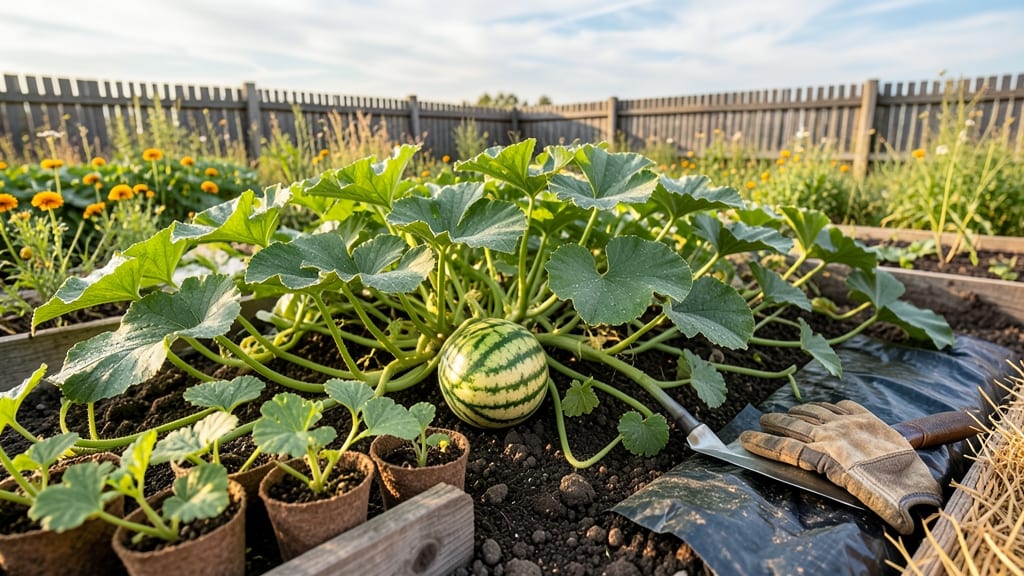
Timing your 🍉 watermelon planting in Florida isn’t just about the calendar—it’s about catching those 70°F+ soil windows that make the difference between fast germination and weeks of waiting.
Skip the guesswork and plant at the wrong time, and you’ll end up with wilted seedlings or stunted vines before harvest season even arrives.
Most Florida gardeners know the basics—spring and fall are the prime seasons—but the real secret lies in understanding your specific heat zone.
Whether you’re in Zone 9a or pushing into Zone 11, the optimal planting windows shift by weeks, and missing them means risking early frost in the Panhandle or scorched seedlings in the Everglades.
I’ve grown watermelons across Florida’s diverse climate bands, and what I’m about to share are the exact deadlines that separate success from struggle. From soil prep tricks to storm-proofing your seedlings, we’ll cover everything you need to plant for a harvest that rivals the sweetest grocery store finds.
Ready to turn your patch of Florida dirt into a 🍉 goldmine? Let’s dive into the heat zone timeline that’ll have your vines thriving in just 30 days—no more wasted seasons or half-hearted yields.
Florida heat Zones explained: ideal planting windows for watermelon germination
Florida’s diverse climate—from the cool hills of the Panhandle to the tropical warmth of the Keys—means watermelon planting isn’t one-size-fits-all. The state spans USDA Zones 8-11, and each zone demands a slightly different approach to avoid slow germination or heat stress in seedlings.
For watermelons, the magic number is soil temperatures above 70°F, which triggers fast, reliable sprouting.
Most Florida gardeners focus on two planting windows: spring (February–May) and fall (July–September). Spring planting gives you an early harvest before summer’s brutal heat, while fall planting lets you take advantage of cooler soil temperatures and longer daylight as summer winds down.
But timing varies wildly—Zone 8’s North Florida faces frost risks until mid-March, while Zone 11’s South Florida can plant year-round with minimal risk.
Here’s the breakdown you need to align your planting schedule with Florida’s heat zones and avoid common pitfalls like seed rot or stunted vines.
In North Florida (Zones 8-9), your last frost date dictates your deadline. Plant 4-6 weeks before the last expected frost (usually mid-March) to give seedlings time to establish roots before summer heat arrives. Use row covers or cold frames to extend your season if needed.
For Central and South Florida (Zones 10-11), frost isn’t a concern, but humidity and summer storms can derail germination. The key is planting when soil temperatures stabilize above 70°F—typically by late February for spring or late July for fall.
Avoid planting in peak summer (June-August), when bolting (premature flowering) and heat stress become major risks.
Pro tip: Use a soil thermometer to confirm readiness. Watermelon seeds need consistent warmth to germinate—if your soil hovers around 65°F, wait another week. In Zone 10 and below, black plastic mulch can raise soil temps by 5-10°F, giving you an earlier start.
One common mistake? Planting too early in Zone 10 and watching vines wilt under summer’s intensity. The solution? Stagger plantings—sow half your seeds in March and the rest in September to spread out harvests and avoid overwhelming heat stress.
Finally, remember that Florida’s humidity speeds up fungal diseases. Choose disease-resistant varieties like 'Crimson Sweet' or 'Charleston Gray' and always water at soil level (not overhead) to keep leaves dry.
With these zone-specific guidelines, you’ll sidestep the most common pitfalls—from slow germination to bolted plants—and enjoy watermelons that thrive in Florida’s fierce sun.
Step-by-step planting schedule: from seed to vine in 30 days
Timing your watermelon planting in Florida isn’t just about the calendar—it’s about soil temperature, seed treatment, and post-planting care to accelerate germination. Most seeds need soil at 70°F or warmer to sprout reliably, so don’t rush into the garden before Mother Nature warms things up.
Start with soil preparation 2-3 weeks before your target planting date. Florida’s sandy soils drain too quickly, so mix in 2-3 inches of compost or aged manure to retain moisture and nutrients. A pH test (aim for 6.0-6.8) will save you from stunted growth later.
🌱 Step-by-Step Planting Timeline
- Weeks 1-2: Prep soil (compost + mulch) and soak seeds in warm water for 24 hours.
- Week 3: Sow seeds 1 inch deep, 6 inches apart in hills (3 seeds per hill).
- Week 4: Thin seedlings to 1-2 strongest plants per hill; mulch with straw.
- Week 5-6: Fertilize with 5-10-10 (½ cup per 10 ft row) and stake vines.
💡 Pro Tip: Use black plastic mulch to warm soil faster in cooler zones (e.g., North Florida).
For early starts in Zones 8-9, use cold frames or row covers to protect seedlings from Florida’s unpredictable spring storms. Remove covers once true leaves appear to harden off plants. If transplanting, wait until seedlings have 3-4 leaves and nights stay above 55°F.
After planting, consistent moisture is critical—watermelon seeds rot if soil stays soggy. Water deeply every 2-3 days (1-2 inches per week) and avoid wetting leaves to prevent fungal diseases.
In Zone 10+, summer planting (July-August) works best, but shade cloth may be needed to protect young plants from intense afternoon sun.
Watch for germination in 5-10 days if conditions are ideal. If seeds take longer, check soil moisture and consider re-soaking them. Once vines hit 12 inches, add trellises or let them sprawl on mulch—just keep them 6-10 feet apart to prevent overcrowding.
By day 30, your seedlings should be busy vining and ready for fertilizer boosts. Now’s the time to focus on pollination support—hand-pollinate flowers if bees are scarce, and watch for the first female blossoms (they have tiny watermelons at their base).