
Plants
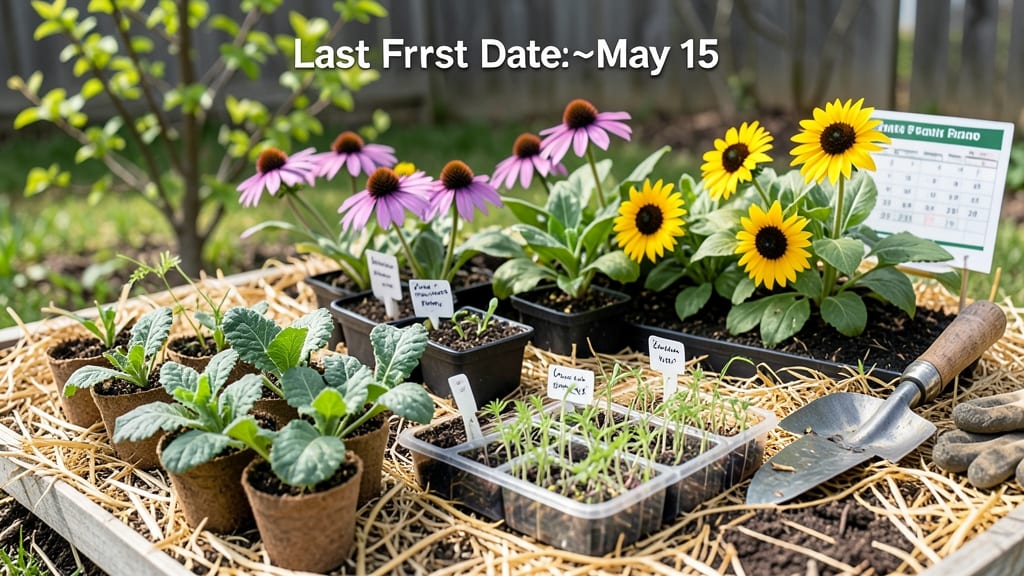
When is it safe to plant in Minnesota? Timing is everything—get it wrong, and you risk frost damage or wasted effort. The average last spring frost date varies wildly across the state, from late May in the Twin Cities to early June in northern regions like Duluth. But averages aren’t everything; microclimates, soil warmth, and even lake effects can shift your window by weeks.
I’ve learned the hard way that rushing into the garden too soon—even with frost-resistant plants like peas or spinach—can leave you scrambling when temperatures dip. The key is waiting until soil temperatures hit 50°F and checking local frost probability tools.
For most of Minnesota’s USDA Zone 4b, that means holding off until mid-May at the earliest.
What you plant matters just as much as when. Cool-season crops like lettuce and radishes can handle early starts, while tomatoes and peppers need to wait until after May 15th in most areas.
I’ll break down the best strategies for your specific region, so you can maximize your growing season without guessing.
Ready to stop second-guessing and start planting with confidence? Let’s dive into the science behind Minnesota’s frost dates—and how to use them to your advantage this spring.
Minnesota’s last spring frost dates by region (zone 4b breakdown)
Minnesota’s USDA Zone 4b climate means frost can linger into late May, but the exact date varies dramatically across regions. The Twin Cities typically see their last frost around May 15, while Duluth holds onto frost until May 28 due to lake-effect cooling.
These dates aren’t set in stone—historical records show a 10-day window of variability each year.
For gardeners, this means late April to early May is prime for cold-hardy crops like peas and spinach, but tomatoes and peppers must wait until after Memorial Day. The Minnesota Department of Agriculture tracks frost data annually, and their 1981-2010 averages provide the most reliable baseline for planning.
Here’s how frost dates break down by region, with key takeaways for your planting schedule:
| Region | Average Last Frost | Safe Planting Window | Notes |
|---|---|---|---|
| Twin Cities (Minneapolis/St. Paul) | May 15 | May 1-15 (hardy crops) | Urban heat islands warm soil faster |
| Duluth (North Shore) | May 28 | May 20-June 1 | Lake Superior delays warming |
| Rochester | May 20 | May 10-20 | Moderate lake influence |
| Fargo | May 10 | April 25-May 5 | Drier climate warms earlier |
Even within these averages, microclimates play a huge role. A south-facing slope might warm 2-3 weeks earlier than a shaded valley. That’s why I always check soil temperature—not just air temperature—before planting. A soil thermometer ($15 at garden centers) is your best friend for nailing the perfect timing.
Pro tip: Use row covers or cold frames to extend your season. I’ve successfully planted spinach in early April under a simple plastic tunnel, shaving weeks off the wait for fresh greens. Just remove the cover once nighttime temps stay above 32°F consistently.
For warm-season crops like tomatoes, wait until two weeks after your average last frost date. The National Weather Service offers a frost probability tool that lets you input your ZIP code for real-time risk assessments. Bookmark it—it’s saved me from multiple frost-killed seedlings over the years.
Remember, first frost dates in fall matter just as much. Most Minnesota regions see frost by October 10-20, but northern areas like International Falls can hit frost as early as September 20. Plan your harvests accordingly to avoid wasting your hard work.
🌱
How to calculate your local safe planting window (beyond the average)
Counting on the average last frost date is risky—Minnesota’s weather can swing wildly from year to year. For example, Duluth might see frost as late as June 10, while the Twin Cities could hit May 20.
Instead, I rely on three key factors: soil temperature, microclimates, and 10-day forecasts to pinpoint my exact planting window.
First, use a soil thermometer—plants like tomatoes and peppers need soil at 60°F+, while cool-season crops (spinach, peas) thrive in 40°F+. Check temperatures at 6-inch depth in the morning for accuracy.
If your soil is cold but the air is warm, wait—root health matters more than air temps.
⚠️ Warning: Don’t Trust the Calendar Alone
Even if the May 15 "safe date" passes, a late frost can still hit. I once lost my tomato seedlings in late May 2021—a 32°F dip after a warm spell. Always cross-check with the National Weather Service’s Frost Probability Tool.
Next, account for your microclimate. A south-facing slope warms up faster than a shady valley, and urban areas (like Minneapolis) can be 5–10°F warmer than rural zones.
I test my garden’s warmth by planting radishes—they sprout in 4–6 days if conditions are safe. If they thrive, it’s time for heat-loving plants.
Finally, monitor the 10-day forecast for stable 50°F+ nights. Cold snaps after 60°F days are deadly for tender plants. I also avoid planting after rain-heavy weeks, as soggy soil can stunt roots. Pro tip: Use row covers to protect seedlings if frost is forecasted within 5–7 days of planting.
For container gardening, warm up pots with black plastic mulch or move them to sunny patios during the day. Containers heat up faster but also cool down quicker—so keep them near south-facing walls for extra warmth.
If you’re unsure, start with fast-growing crops like bush beans or lettuce to test your timing.
Remember, Minnesota’s first frost can arrive as early as September 15 in the north, so plan accordingly. By combining soil science, local data, and flexible strategies, you’ll maximize your growing season—no more guesswork! 🌱