
Plants
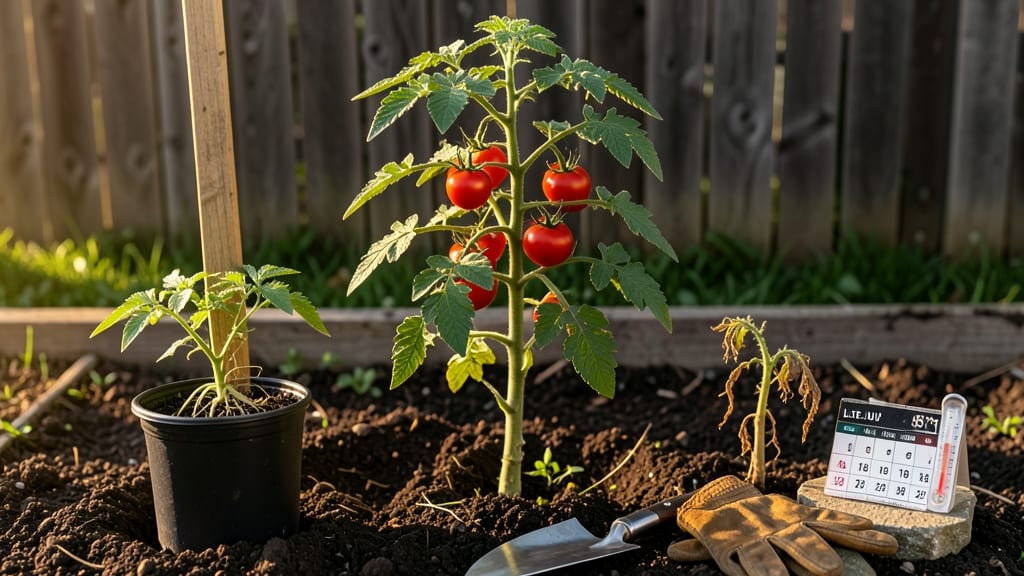
Most Ohio gardeners aim to get tomatoes in the ground by early June, but if you're working with late-starting seeds or missed the ideal window, don’t toss those seedlings yet.
Zone 6a gardeners have until roughly June 15 to transplant with reasonable success, provided you use row covers or choose fast-maturing varieties like 'Early Girl' or 'Patio Princess.' The key is soil warmth and daylight—below 50°F nights or fewer than 12 hours of sunlight per day slows growth dramatically.
Here’s the hard truth: After July 1, your chances of a full harvest drop sharply, but that doesn’t mean your effort is wasted. Even late plantings can produce a few tomatoes if you protect them from early frosts and prioritize disease-resistant types.
I’ll show you exactly how to stretch your growing season—whether you’re using containers, cold frames, or simply picking the right spot in your yard.
Ready to salvage your late-season tomatoes? Let’s break down the zone-specific deadlines, the best varieties for pushing limits, and the warning signs that tell you it’s finally time to call it quits. Your next 🍅 feast might still be on the horizon!
Ohio’s last safe planting dates by zone: deadlines for tomato success
Ohio’s USDA zones 5a-6b create a 3-week window difference for planting tomatoes. In colder northern zones (5a/5b), your last safe transplant date is June 15, while southern Ohio (6a/6b) can push it to July 1.
These deadlines account for Ohio’s average first frost dates (mid-October) minus the 90-day minimum most tomato varieties need to mature.
For example, if you plant ‘Early Girl’ tomatoes (65-day variety) on June 15 in zone 5b, you’ll have just enough time for a harvest before frost. But planting the same variety on July 1 risks stunted growth from shorter daylight hours and cooler nights.
Your local microclimate matters. Urban areas like Columbus (zone 6a) often stay 2-3°F warmer than rural zones, potentially extending your window by 7-10 days. Check your exact zone using the USDA Plant Hardiness Zone Map or Ohio State University’s local climate data.
Soil temperature is the real deadline maker. Tomatoes won’t thrive below 55°F soil temps, and roots struggle to absorb nutrients below 60°F. Use a soil thermometer—if readings dip below 60°F after dark, your plants are at risk.
Here’s how to calculate your personal cutoff date:
- Find your average first frost date (OSU Extension has county-specific data)
- Subtract 90 days (minimum for most varieties)
- Add a 10-day buffer for unpredictable weather
- Check your soil temperature history for late-June/early-July
| Zone | Last Safe Transplant Date | Days to First Frost | Recommended Varieties |
|---|---|---|---|
| 5a (Northern OH) | June 1 | 140-150 | ‘Mountain Merit’, ‘Stupice’ |
| 5b (Northeast OH) | June 15 | 150-160 | ‘Early Girl’, ‘Better Boy’ |
| 6a (Central OH) | July 1 | 160-170 | ‘Celebrity’, ‘Sungold’ |
| 6b (Southwest OH) | July 10 | 170-180 | ‘Beefsteak’, ‘Cherokee Purple’ |
If you’re container gardening, your window shrinks by 10-14 days because pots cool faster. Black plastic pots absorb heat better than terracotta, giving you an extra 3-5 days of growing time. Place containers on black plastic mulch or heat-absorbing bricks to extend warmth.
For direct-sown seeds, subtract 2 weeks from transplant dates. Seedlings need 4-6 weeks to reach transplant size, so your last direct-sow date in zone 5a is May 15. Use biodegradable pots to avoid root disturbance when transplanting.
Pro tip: Plant fast-maturing varieties like ‘Tiny Tim’ (55 days) or ‘Patio Princess’ (50 days) if you’re pushing late. These cherry tomatoes can produce fruit even with shorter growing seasons, and their compact size works well for container gardens.
Remember: July planting means your tomatoes will face declining daylight hours (14 hours in June vs. 10 hours in September). This stress slows growth and reduces fruit set. If you’re tempted to plant late, prioritize cold-hardy varieties and season extenders.
How to push the limits: extending Ohio tomato seasons with cold protection
If you’ve missed the ideal April-May planting window for tomatoes in Ohio, don’t panic—there are proven ways to extend your growing season. With the right strategies, you can push your last planting date into early July while still enjoying a harvest before frost.
The key is combining cold-hardy varieties, protective barriers, and smart microclimate choices.
My top recommendation? Start with fast-maturing varieties like 'Early Girl' (55 days) or 'Mountain Merit' (60 days). These varieties can tolerate cooler soils and still produce fruit before Ohio’s average first frost in mid-October.
Pair them with row covers or low tunnels to add 2-4°F of warmth and shield plants from light frosts.
For containers, choose determinate varieties like 'Patio Princess'—they grow in compact bushes and ripen fruit faster than indeterminate types. Place pots on heat-absorbing surfaces like black plastic or pavers to warm roots. Even a south-facing balcony can work if you use reflective materials to maximize sunlight.
Here’s the trade-off: while these methods extend your season, they require more effort. Row covers need frequent checking for pests, and containers dry out faster. But the payoff? A few weeks of homegrown tomatoes when store-bought options fade away.
Cold Protection Methods for Ohio Tomatoes
✅ Row Covers
Pros: Adds 4°F warmth, protects from light frost, easy to install
Cons: Limits airflow (can trap humidity), needs staking
✅ Low Tunnels
Pros: Creates microclimate, extends season by 3-4 weeks, reusable
Cons: Requires hoops and fabric, more setup time
✅ Cold-Hardy Varieties
Pros: Tolerates cooler soils, faster maturity, disease-resistant
Cons: Smaller yields, limited flavor compared to heat-lovers
✅ Greenhouses/High Tunnels
Pros: Year-round protection, maximizes sunlight, extends season
Cons: High initial cost, requires ventilation
Don’t overlook microclimates—southern exposures, slopes, or paved surfaces can add critical warmth. Even a black plastic mulch under plants raises soil temps by 5-7°F. Combine this with drip irrigation to keep roots warm and consistent.
Pro tip: If you’re planting after June 20, prioritize fruit set over foliage growth. Use a low-nitrogen fertilizer (like 5-10-10) to encourage flowering instead of leafy growth. And watch for blossom end rot—late plantings often struggle with calcium uptake in cool soils.
With these tactics, you can realistically harvest tomatoes until early October in most of Ohio. Just remember: the later you plant, the smaller your yield—and the more attention your plants will demand. But that first homegrown tomato in September? Worth every extra effort. 🍅