
Plants
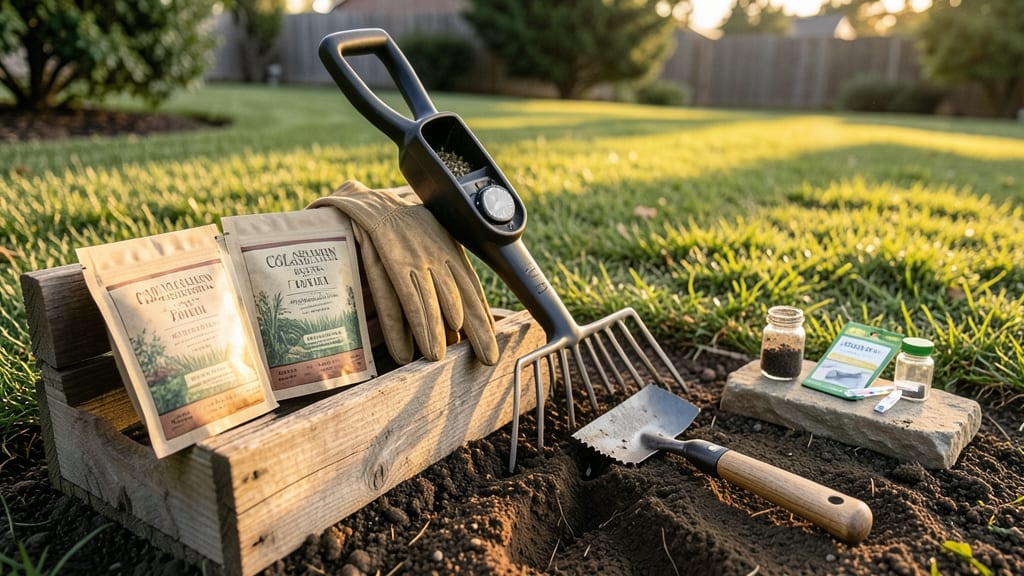
Planting grass in Pennsylvania at the wrong time can leave you staring at patchy, struggling lawns instead of the vibrant green carpet you dream of.
The key to a lush, resilient lawn lies in understanding your local climate and soil conditions—especially when cooler temperatures and moisture levels align perfectly for root growth.
If you’ve ever wondered why some neighbors’ lawns pop up thick and green while yours takes forever—or worse, fails entirely—it’s likely because of timing. Pennsylvania’s USDA zones 5b-7a create unique windows where grass thrives, and missing them means wasted seed and extra work.
Let me show you exactly when to plant for maximum success, whether you’re in Pittsburgh’s cooler hills or Philadelphia’s slightly milder valleys.
Cool-season grasses (the most common in PA) love early spring or early fall, but there’s a sweet spot that avoids summer heat stress and winter dormancy.
I’ll break down the best months, soil prep tips, and even how to adjust for local weather quirks—so you can skip the guesswork and get a lawn that impresses all summer long.
Ready to transform your yard into the envy of the block? Grab your gloves, and let’s dive into the perfect planting schedule for Pennsylvania grass—no more second-guessing, just a thicker, greener lawn from day one.
Pennsylvania grass planting calendar: best months by USDA hardiness zones
Pennsylvania spans USDA Hardiness Zones 5b through 7a, meaning the best grass planting windows vary slightly from the Poconos (Zone 5b) to Philadelphia (Zone 7a).
While both spring and fall are ideal, early fall planting (September-October) is often superior because cooler temps reduce stress and encourage deep root growth before winter.
For spring planting, aim for March through early May—before summer heat sets in. In Zone 5b (northern PA), wait until late April when soil warms to 50°F+. In Zone 7a (southern PA), you can start as early as February if soil isn’t frozen.
Fall planting is my top recommendation: late August through mid-October gives grass 6-8 weeks to establish roots before winter dormancy. In Zone 6a (central PA), September is perfect—cool nights and warm days mimic ideal growing conditions.
Here’s the zone-by-zone breakdown of optimal planting months, including soil temperature and last frost dates to guide your timing:
| USDA Zone | Best Planting Window | Soil Temp Requirement | Last Frost Date | Key Consideration |
|---|---|---|---|---|
| 5b (Poconos, Erie) | Late April–May (spring) or Sept 1–Oct 15 (fall) | 50°F+ (10°C+) | Mid-April | Wait for soil to thaw; fall planting avoids summer drought. |
| 6a (Central PA) | March–April (spring) or Aug 15–Sept 30 (fall) | 50°F+ (10°C+) | Late March | Spring planting risks weeds; fall yields denser turf. |
| 7a (Philadelphia, Pittsburgh suburbs) | February–March (spring) or Sept 1–Oct 15 (fall) | 55°F+ (13°C+) | Early April | Warmer zones allow earlier spring starts; avoid summer heat. |
Avoid planting in late summer (July-August)—intense heat and drought stress young grass. If you miss fall, early spring is your next best bet, but be prepared for weed competition during rapid spring growth.
Pro tip: Use a soil thermometer to confirm temps are 50°F+ before seeding. In Zone 5b, this might not happen until late May, so adjust your timeline accordingly.
For cool-season grasses (like Kentucky Bluegrass or Tall Fescue), which dominate PA lawns, fall planting is non-negotiable for best results. Warm-season grasses (like Zoysia) are rarely used in PA but would need late spring planting if chosen.
Remember: Root depth is your goal. Grass planted in fall can grow 3x deeper roots before winter than spring-planted grass, making it far more drought-resistant by summer.
How Pennsylvania’s climate affects grass growth: heat, rain, and soil factors
Pennsylvania’s diverse climate—from the humid valleys of the Poconos to the hotter, drier regions near Pittsburgh—plays a huge role in grass growth success. The state’s USDA zones 5b-7a mean temperatures swing wildly, and your lawn’s health depends on how you adapt to these shifts.
Humidity, rainfall patterns, and even soil type vary dramatically, so understanding these factors is key to avoiding thin patches or dormant grass.
For example, southern PA’s warmer zones (6a-7a) can handle warm-season grasses like Bermuda, but most homeowners stick with cool-season grasses like Kentucky Bluegrass or Fescue, which thrive in the cooler, wetter conditions of northern PA (5b-6a).
The key is matching your grass type to your microclimate—whether you’re in the mountains, valleys, or city suburbs.
🌡️ Temperature swings are the biggest challenge. Grass roots struggle when soil temps drop below 50°F (10°C) or rise above 90°F (32°C). In spring, rapid warming can cause seed dormancy if planted too early, while summer droughts (common in western PA) can stress young grass.
Fall, however, offers the perfect balance—cooler air, warm soil, and fewer weeds, giving grass 6-8 weeks of ideal growth before winter.
⚠️ Climate Pitfalls to Avoid
Planting warm-season grass in northern PA? It’ll brown out in winter. Skipping fall fertilization? Your grass won’t root deeply before frost. And watering at night? That’s a fungus magnet for your lawn. Pennsylvania’s climate demands precision timing—not guesswork.
Rainfall is another wild card. The Poconos see 40+ inches annually, while Philadelphia’s suburbs average just 40 inches. Too much rain after seeding can wash away seed, while droughts (like those in 2020) turn lawns crunchy and brown. The solution? Test your soil’s drainage and adjust watering schedules—deep, infrequent watering beats shallow daily sprinkles.
Soil type matters just as much. Clay-heavy soils in eastern PA hold moisture but bake hard in summer, while sandy soils in western PA dry out fast. A simple soil test (available at county extension offices) reveals whether you need compost, sand, or peat moss to improve texture. Aim for 6.0-7.0 pH—too acidic or alkaline, and your grass struggles to absorb nutrients.
Microclimates add another layer. A south-facing slope in Pittsburgh might be 10°F warmer than a north-facing yard in Erie. Shade from trees? Cool-season grasses like Fine Fescue handle it better than Kentucky Bluegrass.
Pay attention to these local nuances, and you’ll outsmart Pennsylvania’s climate instead of fighting it.
🌱 Pro Tip: Use a weather station app to track soil temps and rainfall. Plant when nighttime temps stay above 50°F and rainfall is predictable—usually late August to early October for fall planting, or April to early May for spring.
Your lawn will thank you with deep roots and year-round greenery.