
Plants
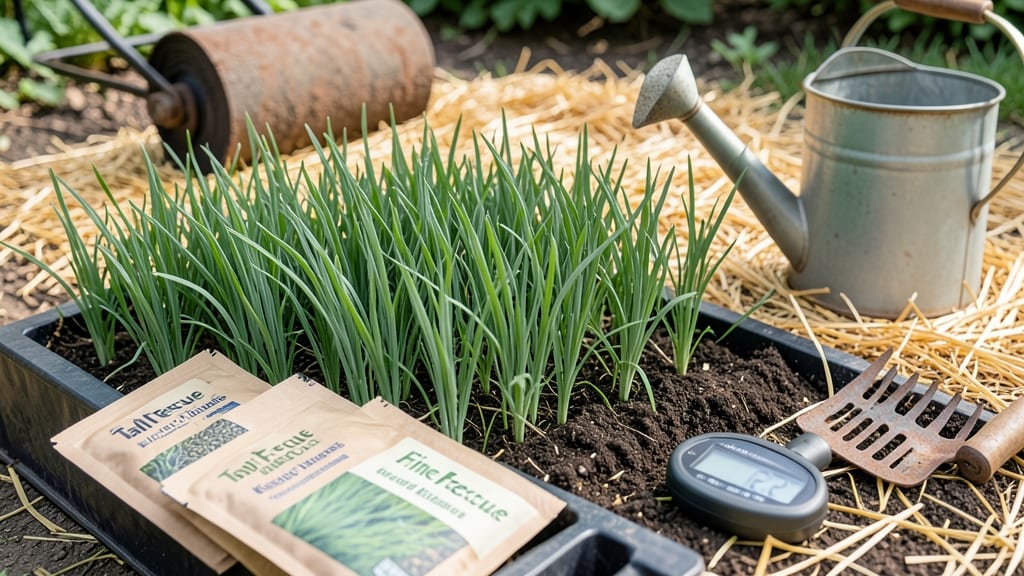
Planting Grass Seed (Turfgrass) 🌱 at the wrong time in New Jersey can leave you staring at a patchy lawn for months—so when exactly should you get started to guarantee thick, green coverage?
The answer depends on whether you're planting cool-season grasses like Kentucky Bluegrass or warm-season varieties, but the best windows are early spring (March–April) or early fall (September–October).
These periods give your grass seed the ideal 60–75°F soil temperatures and steady rainfall to establish strong roots before summer heat or winter frost sets in.
In New Jersey's 6a–7b climate zones, timing is everything—miss the window, and you risk weed competition, drought stress, or slow germination. I’ll break down the exact steps to prep your soil, choose the right seed mix, and keep your lawn thriving year-round.
Ready to transform your yard? Let’s dive into the spring vs. fall showdown and why one season might just be the game-changer for your lawn.
Optimal planting windows for New Jersey grass seed: spring vs fall deep dive
New Jersey’s variable climate—with USDA zones 6a-7b—means your grass seed timing must account for spring warmth and fall mildness. The best windows are early spring (March–April) and early fall (September–October), but regional differences matter.
Northern NJ (like Bergen County) has cooler springs, while southern NJ (like Atlantic City) warms faster.
Spring planting in NJ kicks off when soil temps hit 50°F (10°C), typically late March to early April. Fall planting thrives when daytime temps drop to 75–85°F (24–29°C), usually September–mid-October.
Both windows avoid summer heat stress and winter dormancy, giving grass 6–8 weeks to establish roots before extreme weather.
🌱
| Season | Ideal Months | Soil Temp | Key Advantages | NJ-Specific Tips |
|---|---|---|---|---|
| Spring | March–April | 50–65°F (10–18°C) | Long daylight, rapid germination, fewer weeds | Wait until last frost date (avg. April 15), use cool-season grasses like Kentucky Bluegrass |
| Fall | September–October | 60–75°F (15–24°C) | Cooler temps, less drought stress, stronger root growth | Plant 4–6 weeks before first frost (avg. Nov 15), ideal for Tall Fescue and Fine Fescue |
Spring planting in NJ demands vigilance against weeds, which sprout faster in warm soil. Use a pre-emergent herbicide 2 weeks before seeding to block crabgrass. Fall planting, however, lets grass outcompete weeds thanks to slower weed growth in cooler temps.
My personal trick? Test soil moisture weekly—1 inch of water per week is non-negotiable for both seasons.
Northern NJ gardeners should plant 2–3 weeks later than southern NJ due to cooler microclimates. For example, Morris County might wait until mid-April for spring planting, while Cape May can start in early March. Always check the NJ State Climatologist’s frost maps for precise local data.
Another critical factor is rainfall timing. Spring in NJ often brings variable rains, so have a drip irrigation system ready. Fall, meanwhile, can be drier, so schedule deep waterings every 5–7 days if natural rainfall drops below 0.5 inches per week.
For warm-season grasses like Bermuda, plant in late spring (May) when soil temps hit 65°F (18°C). These grasses dormant in winter, so avoid fall planting—they won’t survive NJ’s freezing temps. Pro tip: Use a soil thermometer to confirm temps before seeding any variety.
🌿
Myth-busting time: “You can plant anytime in NJ.” Wrong! Planting in late summer (August) risks heat stress and dormancy, while winter planting (November–February) exposes seeds to frost heave and poor germination. Stick to the spring/fall windows, and your lawn will thank you with dense, vibrant growth.
Finally, adjust for your lawn’s purpose. Sports lawns need Tall Fescue planted in fall for durability, while ornamental lawns can use Fine Fescue in spring for a softer look. Always mow high (3–4 inches) during establishment to shade out weeds.
Optimal planting windows for New Jersey grass seed: spring vs fall deep dive
New Jersey’s 6a–7b climate zones create a unique challenge for grass seed planting—too early, and frost stalls germination; too late, and summer heat stresses young seedlings. The best windows are early spring (March–April) and early fall (September–October), when soil temperatures hover between 50–75°F and rainfall is steady.
Spring planting (March–April) gives your lawn a 6–8 week head start before summer’s heat, but requires vigilant watering. Fall planting (September–October) avoids summer stress entirely, allowing roots to establish before winter dormancy. Both seasons offer 60–75% success rates when timed correctly.
Here’s how New Jersey’s North vs. South regions differ in ideal planting windows:
For North Jersey (e.g., Bergen County), aim for April 1–15 in spring or September 15–October 1 in fall, as cooler temperatures delay soil warming. In South Jersey (e.g., Cape May), you can start as early as March 15 in spring or push to October 15 in fall.
Pro tip: Check your last frost date (typically April 15 in North NJ, March 30 in South NJ) and plant 4–6 weeks before to avoid frost damage. Use a soil thermometer—ideal temps are 50–75°F for cool-season grasses.
Missed the window? August planting is a backup for warm-season grasses like Bermuda, but expect slower establishment due to summer heat. Always prioritize soil moisture and shade protection if planting outside the ideal windows.