
Plants
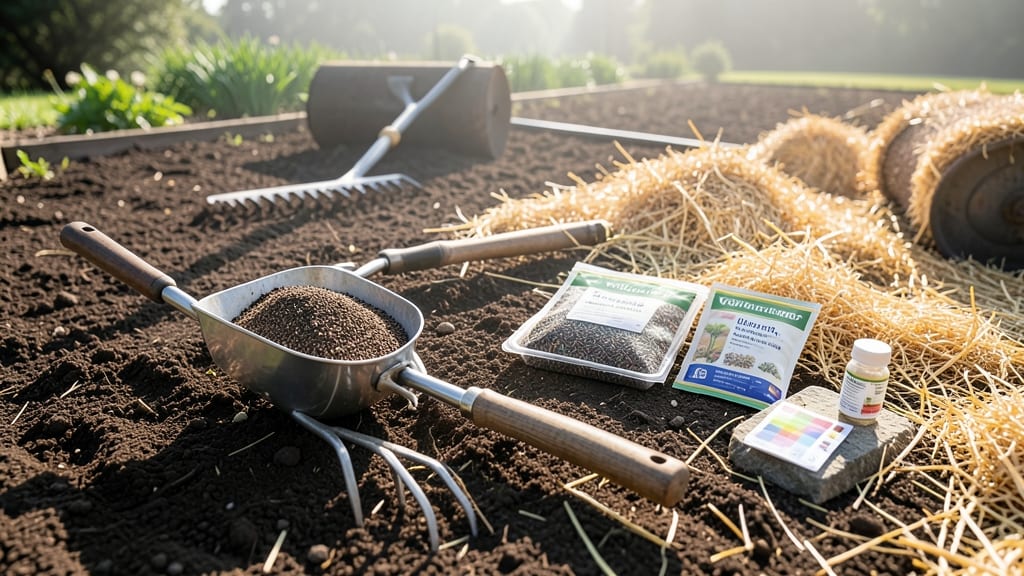
Planting grass seed in Virginia at the wrong time can leave you staring at a patchy lawn instead of the lush 🌱 carpet you dreamed of.
The best time to plant grass seed in Virginia isn't just about the calendar—it's about leveraging the state's unique climate to give your grass the strongest start possible.
Most gardeners focus on early spring or fall, but late summer—specifically August through mid-September—offers a hidden advantage. During these months, soil temperatures stay warm enough to kickstart germination while cooler evenings reduce stress on young grass.
This window also avoids the intense heat of summer and the early frosts of fall, giving your turfgrass a fighting chance to establish deep roots before winter.
Why does timing matter so much? Because Virginia's diverse climate zones—from the humid Coastal Plain to the cooler Mountains—create different microclimates. A seed planted too early might bake in the summer sun, while one planted too late risks struggling with autumn rains or early frost.
I'll show you exactly how to read your local conditions and adjust your planting schedule for maximum success.
Ready to transform your lawn? Let's dive into the science behind Virginia's planting windows, soil prep secrets, and the common mistakes that turn green dreams into brown disappointment. Your perfect lawn starts with the right timing—and I've got the insider tips to make it happen.
Optimal planting windows in Virginia: late summer vs. fall timing explained
Virginia’s climate offers two prime windows for planting grass seed: late summer (late August to mid-September) and early fall. These periods provide ideal conditions for germination and root establishment before winter. The key is avoiding extreme heat or cold, which can stress seedlings.
For most of Virginia, late August through September is the sweet spot. Soil temperatures stay warm enough to encourage seed germination, while daytime temperatures begin cooling—a perfect balance. This window works especially well in the Piedmont and Mountain regions, where summers are hotter and winters arrive earlier.
In contrast, Coastal Virginia (USDA zones 7b-8a) has a slightly extended window due to milder winters. Here, you can plant as late as early October, taking advantage of the region’s longer frost-free season. However, always check your local frost dates to avoid planting too close to winter.
Timing matters because grass seed needs consistent soil temperatures between 60°F and 75°F for optimal germination. Planting too early in summer risks drought stress, while planting too late exposes seedlings to frost damage. Virginia’s humidity levels also play a role—fall planting benefits from natural rainfall patterns.
Here’s a quick comparison to help you decide:
If you miss the fall window, don’t panic—early spring (March to early April) is a secondary option, especially for cool-season grasses like tall fescue. However, spring planting requires diligent weed control and careful watering to outcompete weeds vying for space.
Virginia’s microclimates mean your neighbors might have different success stories. For example, Roanoke’s Piedmont region (USDA zone 7a) may have frost by mid-October, while Norfolk’s Coastal Plain (zone 8a) can push planting into November. Always check local weather forecasts and historical data for your specific area.
Pro tip: Use a soil thermometer to monitor temperatures. Aim for 60°F or warmer at a 2-inch depth before planting. If temperatures dip below 50°F, wait until conditions improve to avoid slow germination or seed rot.
Finally, consider your grass seed variety. Warm-season grasses (like Bermuda or Zoysia) thrive when planted in late spring to early summer, but they struggle with Virginia’s winters. Cool-season grasses (like tall fescue or Kentucky bluegrass) are better suited for fall planting and handle winter dormancy well.
By aligning your planting with Virginia’s climate quirks, you’ll give your grass the best shot at establishing deep roots and thriving for years to come. 🌱
How to prepare your Virginia lawn for seed success: soil, sun, and seed selection
Preparing your Virginia lawn for grass seed is just as important as timing. The right soil conditions and seed selection can transform patchy areas into a lush carpet. Start by testing your soil pH, which should ideally be between 6.0 and 7.0 for optimal germination.
If your soil is too acidic or alkaline, amend it with lime (to raise pH) or sulfur (to lower pH) at least 2-3 weeks before planting. Virginia’s clay-heavy soils in the Piedmont region often need extra compost or sand to improve drainage and aeration.
🌱 Visual Element: Styled List 🌱
Remove debris, rocks, and weeds. Use a broadfork or aerator to loosen compacted soil 2-3 inches deep.
Check pH with a soil test kit. Add compost or peat moss for organic matter if soil is sandy.
Select cool-season grasses (tall fescue, Kentucky bluegrass) for Northern Virginia or warm-season grasses (Bermuda, Zoysia) for Southern Virginia.
Use a garden rake to create a smooth, firm surface. Aim for 1/4-inch deep furrows for even seed distribution.
Apply a thin layer of straw (no more than 1/4 inch) to retain moisture and protect seeds from bird damage.
Don’t overlook sunlight exposure, which is critical for grass health. Most Virginia lawns thrive with 6+ hours of direct sun daily. If your yard has shady spots, opt for shade-tolerant varieties like fine fescue or creeping red fescue.
For weed control, apply a pre-emergent herbicide 2-3 weeks before planting to prevent crabgrass and other weeds. Avoid post-emergent herbicides, as they’ll harm your new grass. Water lightly after herbicide application to activate it.
Finally, consider overseeding existing lawns in early fall. This fills in thin patches and strengthens your lawn’s resilience. Use a drop or slit seeder for even distribution, then water gently to keep seeds moist until germination.