
Trees
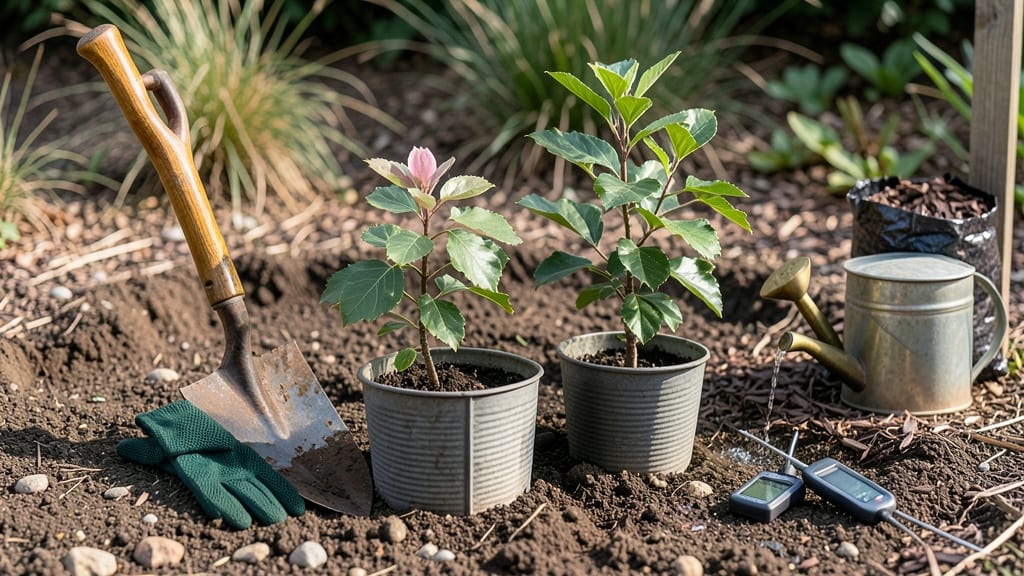
Planting the best time to plant trees in North Texas at the wrong time can mean the difference between a thriving shade provider and a struggling sapling fighting for survival—even in our famously resilient climate.
The secret to success isn’t just choosing the right species, but timing it perfectly to give roots the best chance to establish before summer’s brutal heat or winter’s occasional freeze.
If you’ve ever wondered why some trees take off while others barely survive, the answer lies in understanding North Texas’s unique growing seasons. Late fall to early spring offers the ideal conditions—cooler temperatures, adequate rainfall, and soil that’s workable but not waterlogged.
This 6-week window between late February and early March is when most local nurseries and experts agree: it’s prime time for planting.
But here’s what most gardeners overlook: not all trees are created equal. Deciduous varieties like live oaks or cedar elms benefit most from this timing, while evergreens might need slight adjustments.
I’ll break down exactly which species thrive when planted in this window—and how to adjust for your specific microclimate, whether you’re in Dallas, Fort Worth, or the Hill Country.
Ready to give your new 🌳 the best possible start? Let’s dive into the science behind this planting window and how you can avoid common mistakes that even experienced gardeners make. Your future shade tree will thank you.
North Texas tree planting calendar: late February to early March explained
North Texas’s unique climate—hot summers, mild winters, and unpredictable rainfall—makes timing critical for tree survival. The ideal window for planting is late February to early March, when soil warms but extreme heat hasn’t arrived yet. This aligns with root growth before summer stress sets in.
Scientifically, trees planted in this window establish strong root systems before the April heatwave. The USDA Zone 7b-8a in North Texas means frost can linger until mid-March, so early planting avoids cold damage while still benefiting from spring rainfall.
Regional microclimates matter: Dallas-Fort Worth areas see faster soil warming than rural Hill Country spots. Adjust planting by 1-2 weeks later in cooler zones like Terrell Hills or Gun Barrel City.
🌱 Key factors for this timing include:
- Soil temperature (above 60°F)
- Rainfall patterns (March averages 2.5 inches)
- Avoiding transplant shock from summer heat
| Stage | Action | Notes |
|---|---|---|
| Late February | Prepare soil (amend with compost) | Soil temps reach 55-60°F |
| Early March | Plant bare-root trees | Avoid container-grown in heat |
| March-April | Water deeply (15-20 gallons) | Morning only to prevent fungus |
| May-June | Mulch heavily (3-4 inches) | Retain moisture during drought |
Why does this matter? Trees planted in late winter avoid summer’s 100°F+ temperatures, which can scorch roots within weeks. The Texas A&M AgriLife Extension reports 30% higher survival rates for trees planted in this window compared to summer.
For container-grown trees, the window extends slightly into April, but bare-root trees must go in by early March. Evergreens like Eastern Red Cedar benefit most from this timing, while deciduous trees like Texas Redbud can handle slightly later planting.
Microclimate variations mean East Texas (e.g., Tyler) can plant 1-2 weeks earlier than West Texas (e.g., Amarillo). Check your local frost dates—most North Texas areas see the last frost around March 15.
🌿 Pro tip: Use a soil thermometer—plant when temps stay above 60°F for 5+ days. This ensures roots won’t stall in cold soil.
After planting, shade cloth can protect young trees from late-March sun until they establish. Pair this with deep watering every 7-10 days to mimic natural rainfall patterns.
North Texas tree planting calendar: late February to early March explained
North Texas’ USDA zones 7b-8a create a unique window for tree planting—one that balances avoiding summer heat stress and winter dormancy risks. The ideal planting window spans from late February to early March, aligning with rising soil temperatures and increasing rainfall.
This period ensures young roots establish before the peak summer drought hits.
Why this timing? Late winter offers cooler air temperatures (50–65°F) that reduce transplant shock, while spring rains provide natural hydration. In contrast, planting in summer (June–August) risks heat stress and evaporative water loss, while winter (December–February) can expose roots to freezing ground.
North Texas isn’t one climate—Dallas-Fort Worth differs from rural Hill Country or East Texas. Urban areas like Dallas experience heat islands, while Fort Worth has slightly cooler nights.
Rural zones like Lampasas or Terrell Hills may have 1–2 weeks earlier frost-free dates. Always check your local last-frost averages (typically March 15 for most areas).
| Timeframe | Soil Temp | Rainfall | Risk Level |
|---|---|---|---|
| Late Feb–Early Mar | 55–65°F | 2–3 inches/month | Low (optimal) |
| April | 65–75°F | 1–2 inches/month | Moderate (drier) |
| May–June | 80–90°F | 0.5–1 inch/month | High (heat stress) |
| Oct–Nov | 50–60°F | 2–4 inches/month | Low (alternative) |
For bare-root trees, late February is perfect—they’ve been dormant-stored and can re-establish roots quickly before new growth starts. Container-grown trees, however, can handle early March planting with minimal stress.
If you miss this window, October–November is your second-best option, as cooler temps and higher humidity reduce transplant shock.
Microclimates matter: East Texas (e.g., Tyler) may plant 1–2 weeks earlier due to warmer winters, while West Texas edges (e.g., Amarillo) should wait until mid-March to avoid late frosts. Always test soil moisture before planting—dry soils in February may require pre-watering.
Pro tip: Mulch immediately after planting with 2–3 inches of organic mulch (shredded bark or pine straw) to lock in moisture and regulate soil temps. This doubles survival rates in North Texas’ variable spring weather.