
Trees
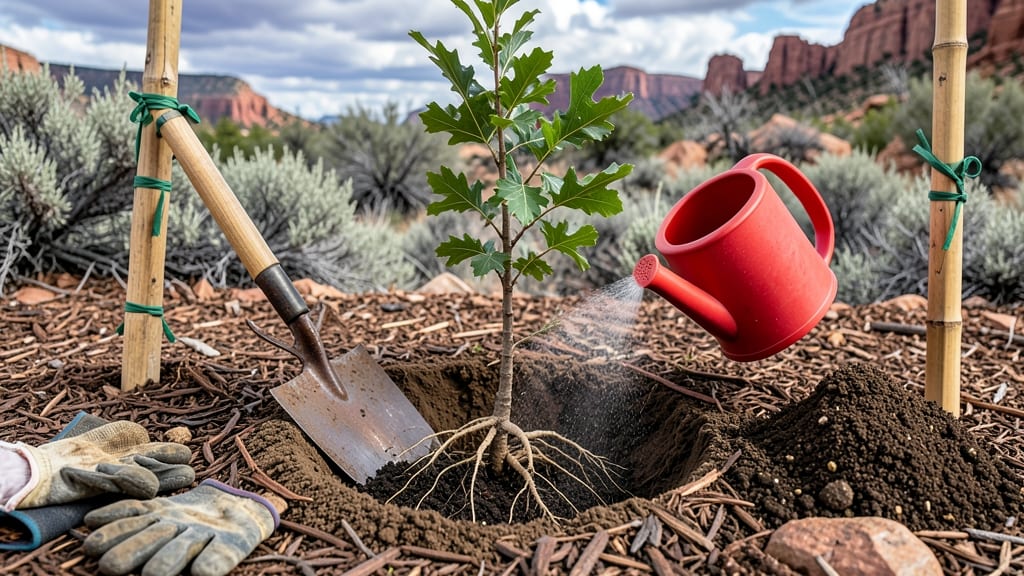
Planting a 🌳 Tree (General) in Utah at the wrong time can mean the difference between a thriving shade provider and a sad, stunted sapling that never reaches its potential.
Unlike coastal states, Utah’s dramatic elevation shifts and microclimates create planting windows that vary wildly—from late fall in the Wasatch Mountains to early spring in the desert southwest.
If you’re dreaming of that perfect 🌳 Tree (General) in your yard but aren’t sure when to dig, you’re not alone. The key lies in understanding Utah’s USDA zones 5b-9a, where frost dates can shift by 6 weeks from one region to another.
Get this wrong, and your tree could struggle for years—or worse, never take root.
Here’s what you need to know: The best time to plant in Utah depends on your location, but the general rule is late fall to early spring (October through April).
We’ll break down the exact months for your specific area, plus the one trick that ensures your tree’s roots establish before summer’s brutal heat hits.
Ready to plant with confidence? Let’s dive into the perfect timing for your Utah 🌳 Tree (General), so you can enjoy decades of shade, fruit, or wildlife habitat without the guesswork.
Optimal tree planting months in Utah by climate zone
Utah’s climate varies dramatically from the high deserts of southern Utah to the cool mountain valleys in the north. These differences mean the best time to plant trees depends entirely on where you live.
For example, St. George’s hot summers demand early spring planting, while Ogden’s cooler climate allows for late fall opportunities. Let’s break down the ideal planting windows for Utah’s four distinct regions.
Most Utah gardeners aim to plant trees when soil temperatures stay above 40°F but before summer heat stress sets in. This typically falls between late February and early May for most areas, with adjustments needed for high-elevation zones.
Understanding your specific USDA hardiness zone (ranging from 5b to 9a in Utah) is key to success.
Here’s how to match your region to the best planting window:
| Region | USDA Zone | Best Planting Window | Key Considerations |
|---|---|---|---|
| Northern Mountains (e.g., Ogden, Park City) | 5b-6a | Late April to early June | Cool soils; avoid late frosts (last frost ~May 15). |
| Central Valleys (e.g., Salt Lake City, Provo) | 6a-7a | March to early May | Moderate temps; water restrictions often lift in spring. |
| Southern Desert (e.g., St. George, Cedar City) | 7b-9a | February to early March | Hot summers; plant before irrigation demands peak. |
| Wasatch Front (e.g., Salt Lake Valley) | 6b-7a | Late March to April | Urban heat islands; prioritize shade trees. |
For bare-root trees, Utah’s late fall (October–November) can also work if you’re in zones 6a or colder. These trees enter dormancy naturally, reducing transplant shock. Just ensure the ground isn’t frozen—use your finger test: if soil crumbles easily when squeezed, it’s ready.
Container-grown trees offer more flexibility, allowing planting year-round in Utah—just adjust watering. However, avoid planting during extreme heat (July–August) or deep freezes (December–January), as both stress young roots. If you must plant in summer, do it on overcast days and mulch heavily to retain moisture.
Pro tip: Check Utah’s USDA Plant Hardiness Zone Map for your exact location. For example, Moab (Zone 7b) can plant earlier than Logan (Zone 5b). Local nurseries often provide free soil temperature guides—call ahead to confirm conditions before digging.
Water availability is another critical factor. In drought-prone areas like Washington County, prioritize deep watering (10–15 gallons per tree) immediately after planting. Use drip irrigation for the first 60 days to encourage root establishment.
Native species like quaking aspen or Utah juniper adapt better to Utah’s variable conditions. Plant these in early spring for fastest establishment. Non-natives (e.g., London plane trees) need extra care—monitor for heat stress in summer.
Missed the spring window? Don’t panic—fall planting (September–October) is ideal for deciduous trees like maples and oaks. Evergreens, however, should wait until early spring to avoid winter desiccation.
🌳
Signs your Utah tree planting timing is perfect (or terrible)
Planting trees in Utah requires more than just picking a month—it’s about reading your local microclimate and soil conditions. The right timing ensures strong root establishment before summer heat or winter frost hits. Here’s how to tell if you’ve nailed it—or if disaster is looming.
First, check your soil temperature—ideal for planting is between 40°F and 60°F. Use a soil thermometer or dig down 6 inches: if it’s too cold, roots won’t activate; if it’s too warm, moisture evaporates too fast.
In Utah’s Wasatch Front, aim for late March to early April when frost risk drops.
Next, observe rainfall patterns. Utah’s Southern Desert (like St. George) gets sporadic showers, so plant after winter rains (February–March) to capitalize on moisture. In mountain regions, wait until snowmelt replenishes soil—typically May—to avoid drought stress.
🌱 Key Takeaways: Perfect vs. Terrible Planting Signs
- Soil temp: 40°F–60°F
- Rainfall: Recent moisture
- Frost risk: <10% chance
- Growth: New leaves emerge
- Soil temp: <40°F or >70°F
- Rainfall: Drought conditions
- Frost risk: High (late spring)
- Growth: Wilting or no sprouts
Pro Tip: Utah’s USDA Zones 5b–9a mean frost dates vary wildly—check local almanacs for your exact area.
Watch for new leaf growth after planting—this signals roots are actively growing. If leaves yellow or drop, you’ve likely planted too late (summer heat) or too early (frost damage). In Northern Utah, quaking aspen and blue spruce should sprout by mid-May if timed right.
Finally, monitor water absorption. Healthy soil should soak up water within 30 minutes of watering. If water pools or drains instantly, your tree is in sandy desert soil—amend with compost or mulch to retain moisture.
In clay-heavy areas (like Salt Lake Valley), improve drainage with organic matter.
Missed the window? Don’t panic—container-grown trees can handle fall planting (September–October) in Utah’s cooler zones. Just water deeply and mulch heavily to protect roots. The key is adapting to your microclimate, not blindly following a calendar.