
Companion Plants
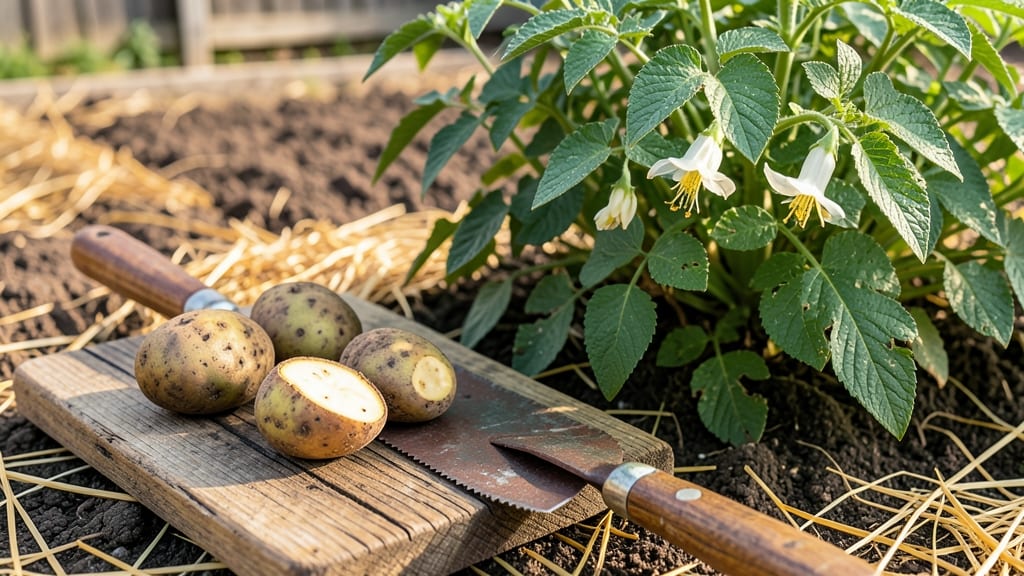
Planting potatoes in Ohio isn't just about the calendar—it's about catching that sweet spot when the soil warms up just enough to trigger fast germination. Too early, and your 🥔 tubers will rot in cold, wet earth; too late, and you’ll miss the prime harvest window.
The key is knowing exactly when to put those seed potatoes in the ground so they sprout quickly and grow strong.
Ohio’s 6a-6b climate means you’ve got a narrow window to work with, especially if you’re aiming for a summer harvest. Most gardeners in the Buckeye State plant between late March and early April, but the real secret lies in soil temperature—not just the air temperature.
When the ground hits 45-50°F, that’s your green light to start planting.
But here’s the twist: early varieties can go in the ground as soon as the soil is workable, even if the air is still chilly. Late varieties, on the other hand, need that warmer soil to avoid stunting.
I’ll break down the exact timing for both, plus how to adjust if Ohio’s unpredictable spring throws you a curveball.
Ready to grow a bumper crop? Let’s dive into the soil temperature triggers and planting strategies that’ll give you the fastest, healthiest potatoes your Ohio garden has ever seen.
Ohio potato planting calendar: exact dates based on frost risk zones
Ohio’s variable climate means your potato planting window depends heavily on your USDA zone and last frost date. Most of Ohio falls in zones 5-8, with northern areas (like Toledo) in zone 5 and southern regions (like Cincinnati) in zone 7.
The key is planting when soil reaches 45-50°F—cold soil delays germination and invites rot.
For southern Ohio (zones 6-7), aim to plant seed potatoes 4-6 weeks before your last frost date, typically between March 15 and April 15. Northern Ohio gardeners (zones 5-6) should wait until April 1 to May 1 to avoid frost damage.
My rule of thumb? Start indoor sprouting in late February for early varieties to jumpstart growth.
Ohio’s microclimates add complexity. Urban areas like Columbus may warm faster than rural farms, while valleys can stay colder longer. Check your local Cooperative Extension office for precise frost data—it’s worth the 5-minute call to avoid wasted seed potatoes!
Pro tip: Use early varieties like 'Yukon Gold' for March plantings—they mature in 70-90 days and avoid Ohio’s unpredictable late spring frosts. My 2023 lesson? Planting 'Kennebec' in early April resulted in rotten tubers after a sudden cold snap in May. Learn from my mistake—wait for consistent warmth!
Ohio’s short growing season (about 165 frost-free days) demands smart planning. If you miss the spring window, consider fall planting of early maturing varieties in late August for a September harvest. Just be prepared to harvest before first frost (usually mid-October).
Don’t overlook soil preparation—Ohio’s clay-heavy soils need amendments like compost or sand to improve drainage. I test my soil in early March and add aged compost to reach the ideal pH 5.0-6.5. Poor drainage leads to waterlogged tubers, which rot faster than you can say "spud blight."
For container growing, Ohio gardeners can plant in large pots (12"+ deep) as early as April 15 in zones 6-7. Just ensure pots have drainage holes and use lightweight potting mix. Containers warm faster than ground soil, giving you a 2-week head start on garden beds.
Track your progress with a planting journal. Note when you plant, soil temps, and germination dates. Over 3 years of Ohio gardening, I’ve found that soil thermometers (not air temps!) are your best friend. A $15 investment saves weeks of guesswork—trust me, I’ve learned the hard way!
Remember: Ohio’s unpredictable weather means flexibility is key. If your soil stays below 45°F past your ideal planting date, use row covers to protect young plants. I’ve used floating row covers to extend my season by 3-4 weeks—just remove them when flowers appear to allow pollination.
Soil temperature secrets: how to test and time planting for fast germination
Ohio’s unpredictable spring weather can turn a perfect planting window into a muddy mess overnight. The secret to fast potato germination isn’t just waiting for the last frost—it’s monitoring soil temperature. Potatoes need soil that’s consistently 45-50°F at a depth of 4 inches to sprout reliably.
If you plant too early in cold, wet soil, your seed potatoes will rot before they even think about growing.
I’ve learned the hard way that air temperature and soil temperature are two completely different stories. A crisp 50°F morning might feel perfect, but if your soil is still hovering around 40°F, your potatoes will sulk in the ground.
The key is checking the soil’s actual temperature—not just the weather forecast. Here’s how to do it right:
Use a soil thermometer (available for under $10) to check the temperature at a 4-inch depth. Do this in the late afternoon when the soil has warmed up the most.
Potatoes need soil that stays above 45°F for at least 3 days in a row. If your mornings dip back below 40°F, hold off planting—cold snaps can stall germination.
Spread straw or black plastic mulch over planted rows to raise soil temperature by 5-10°F. This is especially helpful in northern Ohio, where springs can drag on.
If your soil is below 45°F but you’re eager to plant, try chitting your seed potatoes indoors first. Place them in egg cartons with the eyes facing up and expose them to light for 2-3 weeks before planting.
Cold, waterlogged soil is the #1 enemy of early potato planting. If your garden feels soggy, wait until the ground dries out slightly—even if it means delaying by a week.
Pro tip: In southern Ohio, where springs warm up faster, you can sometimes plant as early as late March. But in northeastern Ohio, don’t rush it—wait until mid-April to avoid frost damage.
I’ve seen gardeners in Cleveland plant too early and lose their entire crop to a late freeze.
Once your soil hits that 45-50°F sweet spot, your potatoes should sprout within 10-14 days. If you’re still not seeing sprouts after 3 weeks, the soil might’ve been too cold or too wet. Don’t give up—just adjust your timing for next year!
Remember, fast germination sets the stage for a bigger harvest. The sooner those little green shoots break through the soil, the more time your potatoes have to bulk up before Ohio’s summer heat kicks in. 🌱