
Planting
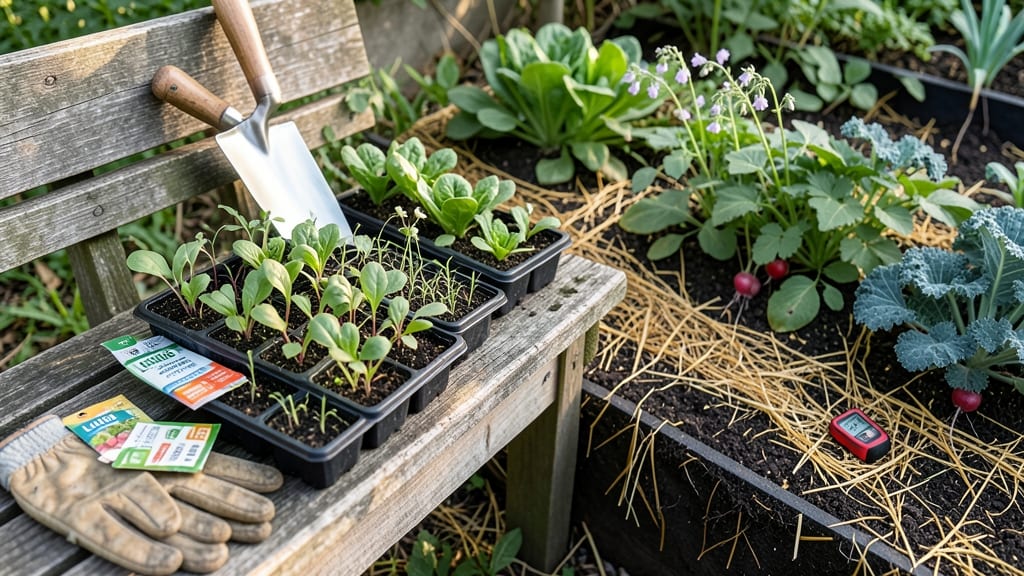
Timing your garden planting in Michigan isn’t just about following a calendar—it’s about beating the frost before it beats you. With USDA Zones 4-6 bringing unpredictable last frost dates, planting too early risks losing your seedlings to a surprise freeze, while waiting too long can shrink your harvest window.
The secret to success? Knowing your zone’s average frost dates and adjusting for Michigan’s famously variable spring weather.
Whether you’re dreaming of crisp summer tomatoes or hearty fall kale, the right planting window makes all the difference. I’ll break down exactly when to start seeds indoors, when to transplant tender seedlings, and which crops thrive in Michigan’s short but productive growing season.
Let’s turn those frost dates into a planting schedule that works for you.
From the Upper Peninsula’s cooler climate to the Lower Peninsula’s slightly warmer stretches, Michigan’s regions demand different strategies. We’ll cover cool-season crops like peas and spinach that can handle early spring soil, and warm-season favorites like peppers and beans that need to wait until the danger of frost has passed.
Ready to plant with confidence?
With the right timing, you can stretch your growing season from early spring to late fall, maximizing your harvest and minimizing wasted effort. Let’s dive into the zone-specific deadlines that will help your garden flourish—no matter where in Michigan you’re planting.
Michigan’s last frost dates by Zone: when to plant cool-season vs warm-season crops
Michigan’s gardening success hinges on knowing your USDA zone and average last frost dates. The state spans Zones 4-6, with the Upper Peninsula typically colder than the Lower Peninsula. These differences mean your planting timeline could vary by 2-3 weeks depending on where you live.
For cool-season crops like lettuce, spinach, and peas, you can start seeds 4-6 weeks before your last frost date. In Zone 4 (northern Michigan), that’s often mid-April, while Zone 6 (southern Michigan) may see planting as early as late March.
Warm-season crops like tomatoes and peppers need to wait until after the last frost, usually mid-May to early June.
Here’s how Michigan’s zones break down for your planting schedule:
| Zone | Last Frost Date | Cool-Season Start | Warm-Season Start | Example Crops |
|---|---|---|---|---|
| Zone 4 (Upper Peninsula) | May 10-20 | Mid-April | Mid-May | Peas, spinach, kale |
| Zone 5 (Northern Lower) | May 1-10 | Late March | Late April | Lettuce, radishes, broccoli |
| Zone 6 (Southern Lower) | April 20-May 1 | Late February | Early May | Tomatoes, peppers, cucumbers |
If you’re in Zone 4, don’t rush to plant warm-season crops—waiting until mid-May ensures your seedlings survive. Meanwhile, Zone 6 gardeners can push the envelope slightly, planting tomatoes as early as late April under protective covers.
Always check your local Almanac frost dates for the most accurate timeline, as Michigan’s weather can shift dramatically year to year.
For cool-season crops, I recommend starting seeds indoors 6-8 weeks before the last frost date.
This gives you a head start and allows you to transplant hardened-off seedlings after the frost risk has passed. Spinach and kale, for example, can handle light frosts, so you can even plant them 2-3 weeks before your average last frost date for an early harvest.
Warm-season crops like tomatoes and peppers need consistent warmth, so avoid planting them until the soil temperature reaches 60°F (15°C). Use a soil thermometer to check—this is especially critical in Zone 4, where cool soils can stunt growth.
In Zone 6, you might even squeeze in a second planting of fast-maturing varieties like bush beans in early July for a late-summer harvest.
Pro tip: Keep a gardening journal to track your local frost dates over the years. Michigan’s climate is changing, and your last frost date might shift earlier each spring. For example, in 2023, some areas of southern Michigan saw their last frost 3 weeks earlier than the historical average.
Adjusting your planting schedule based on real data will give you a competitive edge.
Don’t forget about fall planting! Many cool-season crops thrive when planted in late summer for a harvest before winter. Radishes and turnips can be sown as late as early September in most of Michigan, while garlic should be planted in October for next summer’s harvest.
These late-season crops help maximize your garden’s productivity and reduce food waste.
For gardeners in Zone 4, focus on short-season varieties of warm crops like ‘Early Girl’ tomatoes or ‘Golden Sweet’ corn, which mature quickly. In Zone 6, you have more flexibility to experiment with heirloom varieties that need more time to ripen.
Always check seed packets for days to maturity
How to adjust planting times for Michigan’s unpredictable weather patterns
Michigan’s weather can shift faster than a summer storm, making frost dates harder to predict than a gardener’s mood on a rainy day.
The average last frost date for USDA Zone 5 (most of the Lower Peninsula) is around May 10-15, but some years it arrives as late as June 1. Meanwhile, the Upper Peninsula’s Zone 4 often waits until May 25-30—or later.
To beat these uncertainties, I’ve learned to use season-extending tools and local frost tracking to fine-tune planting times.
One of my go-to strategies is using row covers or floating row covers to protect early seedlings. These lightweight fabrics raise soil temperatures by 5-8°F and shield plants from late frosts.
For example, I plant spinach and peas under row covers as early as April 15 in Zone 5, giving me a head start before removing the covers when temperatures stabilize. This trick adds 2-3 weeks to my growing season without risking frost damage.
A cold frame is another game-changer for extending early and late seasons. By placing a clear plastic or glass box over seedlings, I can start warm-season crops like tomatoes indoors 6-8 weeks before the last frost, then transplant them into the cold frame for another 2-4 weeks of protection.
This method lets me plant tomatoes by April 20 in Zone 5 instead of waiting until May 15, shaving off critical weeks from the growing season.
🌱 Proven Strategies to Adjust Planting Times
- 📅 Track Local Frost Data: Use tools like the Midwest Regional Climate Center or your local Cooperative Extension office for real-time frost updates. I check their 30-day forecasts to adjust planting dates dynamically.
- 🌡️ Use Soil Thermometers: Wait until soil reaches 50°F for cool-season crops and 60°F+ for warm-season crops. Cold soil slows germination—don’t rush it!
- 🌿 Choose Heat-Tolerant Varieties: Swap standard tomatoes for ‘Heatmaster’ or ‘Solar Fire’ varieties, which thrive in 90°F+ temperatures without bolting.
- 🛡️ Leverage Row Covers: Extend early planting by 3-4 weeks for crops like lettuce, kale, and radishes using lightweight row covers.
- ⏳ Plan for Succession Planting: Sow fast-maturing crops (e.g., bush beans, radishes) every 2 weeks to ensure continuous harvests, regardless of frost timing.
- 🌅 Harness the Greenhouse Effect: Use black plastic mulch or straw mulch to warm soil faster in spring, accelerating germination for peppers and eggplants.
- 📊 Adjust for Microclimates: South-facing slopes warm up 1-2 weeks earlier than north-facing areas. Plant heat-lovers like cucumbers on sunny slopes first.
For late-season crops, I rely on black plastic mulch to keep soil warm and straw mulch to insulate roots. This combo lets me plant Swiss chard and bush beans as late as August 1 in Zone 5, often yielding harvests until first frost in October.
Pair this with succession planting—sowing new seeds every 2 weeks—to keep your garden productive long after most neighbors have given up.
Don’t forget to monitor first frost dates too! In Zone 5, the average first frost hits October 10-15, but it can arrive as early as September 20 in cooler years. I plant cold-hardy crops like kale and carrots by August 15 to ensure they mature before frost.
For tender crops, I use low tunnels or hoop houses to shield plants until late September.
Finally, embrace container gardening for flexibility. Pots can be moved to sheltered spots during cold snaps or placed on patios to extend the season.
I’ve grown peppers and eggplants in containers until October 1 by rolling them into my garage at night—proof that Michigan’s short season doesn’t limit your harvest potential.