
Planting
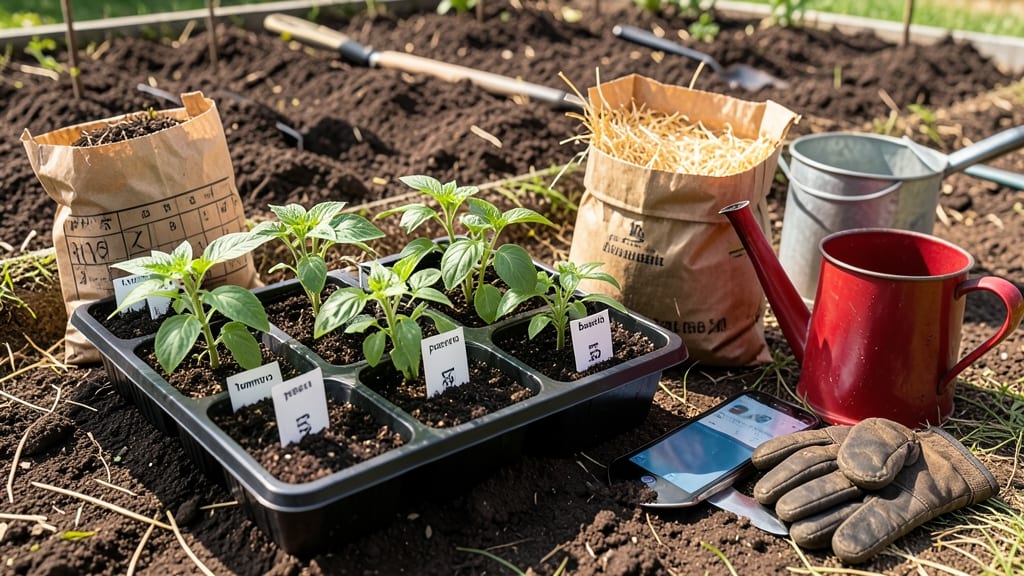
When to plant a garden in Missouri isn’t just about throwing seeds in the dirt—it’s about outsmarting the Show-Me State’s unpredictable frost dates and scorching summers. With Zone 5b-6a climate swings, planting too early means frozen seedlings, while waiting too long risks stunted harvests. The key? Knowing exactly when to start for spring and fall success.
Missouri’s last frost typically arrives around April 15, but that date can shift dramatically between northern and southern regions. That’s why I’ve broken down the ideal planting windows—from cold-hardy greens in March to heat-loving tomatoes in May—so you can align your schedule with Mother Nature’s mood swings.
No more guesswork, just thriving 🌱.
But here’s the secret most gardeners miss: fall planting often outperforms spring in Missouri. By sowing kale, carrots, and broccoli in August or September, you bypass early-season pests and extend your harvest well into winter.
I’ll show you exactly which crops to prioritize and how to time them for maximum yield.
Ready to turn your Missouri garden into a year-round success? Let’s dive into the month-by-month calendar that’ll have your plants growing like they’re in a greenhouse—without the high energy bill.
Missouri spring planting timeline: avoid frost & maximize warm-season growth
Spring planting in Missouri demands precision—one late frost can wipe out your hard work in days.
The average last frost date hovers around April 15, but northern Missouri (Zone 5b) often waits until May 1, while southern areas (Zone 6a) can start earlier. Soil temperature is your best guide: wait until it reaches 50°F (10°C) at least 1 inch deep before sowing most seeds.
Start with cold-hardy crops like peas, spinach, and lettuce in early March under row covers. These cool-season vegetables thrive when nights are still chilly but days warm up. By mid-April, transplant broccoli, cabbage, and onions—they’ll establish roots before summer heat arrives.
Here’s your month-by-month spring planting guide, tailored to Missouri’s climate quirks:
| Month | Plant Type | Action | Notes |
|---|---|---|---|
| March | Peas, Spinach, Lettuce | Direct Sow | Use row covers for frost protection |
| April | Broccoli, Cabbage, Onions | Transplant | Hardening off seedlings first |
| Mid-April | Potatoes, Carrots, Beets | Direct Sow | Loosen soil to prevent bolting |
| Late April | Tomatoes, Peppers, Eggplant | Transplant After Frost | Wait for soil to warm to 60°F+ |
| May | Cucumbers, Squash, Beans | Direct Sow | Succession plant beans every 2 weeks |
For warm-season crops like tomatoes and peppers, timing is critical. Plant them too early, and they’ll linger in stunted growth waiting for heat. Too late, and they’ll bolt before producing fruit. Mid-to-late May is ideal for most of Missouri, but monitor soil temperatures—they should stay above 60°F (15°C) consistently.
Don’t overlook herbs and flowers in spring! Basil, cilantro, and marigolds thrive when planted after the last frost. Calendula and zinnias are excellent for pollinator gardens—sow seeds directly in early May for continuous blooms through summer.
Pro tip: Use black plastic mulch to warm soil faster for heat-loving plants. It also suppresses weeds and retains moisture—critical during Missouri’s unpredictable spring rains. Just remove it before transplanting to avoid damaging roots.
If you’re in northern Missouri, err on the side of caution. The Kansas City area often sees frost until April 25, while St. Louis averages April 10. Check the University of Missouri Extension’s frost maps for your exact location—it’s worth the 2-minute wait for peace of mind.
Remember: Seed packets list days to maturity—calculate backward from your first expected frost (October 15) to avoid harvesting too late. For example, if your tomatoes take 80 days to ripen, plant them by July 5 for a fall harvest.
🌱
Fall planting secrets: extend Missouri’s growing season without risking early freezes
Fall planting in Missouri is my secret weapon for a bountiful garden. While spring gets all the attention, cooler temperatures and shorter days create perfect conditions for cold-hardy crops like kale, carrots, and broccoli.
These plants thrive when sown 6-8 weeks before your first frost—typically between August 1 and September 15—giving them time to mature before winter sets in.
The magic happens because fall crops avoid early-season pests and soil-borne diseases that plague spring plantings. Plus, harvesting in fall and winter means fresher produce straight from your garden when grocery stores are stocked with imported goods.
I’ve seen my swiss chard and radishes grow sweeter after a light frost, adding a whole new flavor dimension!
Here’s the golden rule: calculate your first frost date (usually October 15 in Missouri) and work backward. Most fall crops need 45-60 days to maturity, so aim to plant by early September for a late-October harvest. Use this timeline as your guide:
- August 1-15: Start warm-season crops like bush beans and cucumbers if you have a long growing season. Use row covers to extend heat.
- August 15-September 1: Plant cool-season staples—kale, spinach, lettuce, carrots, and beets. These handle light frosts beautifully!
- September 1-15: Sow broccoli, cabbage, and Brussels sprouts for a winter harvest. Add compost to boost soil fertility.
- September 15-October 1: Direct-sow hardy greens like arugula and peas. Protect with frost cloth if nights dip below 25°F.
- October 1-November 1: Plant garlic and onions for next spring’s harvest. These bulbs need cold to sweeten up!
Don’t make these common mistakes that sabotage fall gardens. First, avoid planting too late—crops like carrots need time to bulk up before frost. Second, skip heavy fertilizers in late summer; focus on organic matter like compost to feed soil microbes.
Finally, never ignore soil temperature: aim for 50-60°F for optimal germination.
Pro tip: Use mulch (straw or leaves) to insulate soil and keep roots warm. This simple step can mean the difference between a thriving garden and a frozen mess. I’ve extended my harvest by 4-6 weeks just by adding a 2-inch layer of mulch around my fall crops!
Fall planting isn’t just about survival—it’s about strategic growth. By choosing the right crops and timing, you’ll enjoy fresh produce long after your neighbors have packed up their tools. Plus, fewer pests mean less work for you. It’s a win-win for 🌿.