
Planting
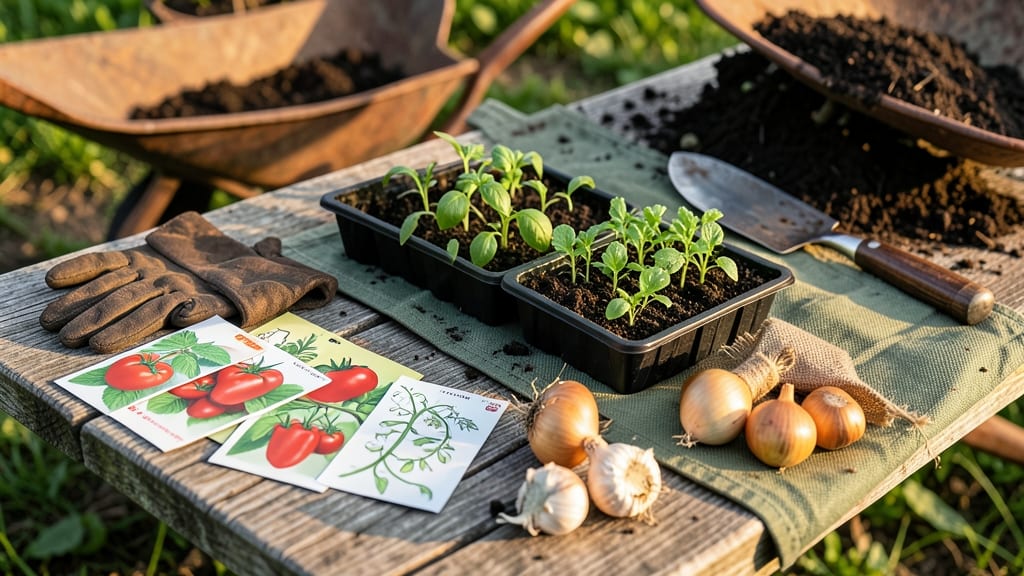
Planting a garden in North Carolina at the wrong time can mean the difference between a bountiful harvest and wasted effort. With 8 distinct USDA zones across the state, timing your plantings—whether for frost-tolerant greens or heat-loving tomatoes—matters more than you might think.
If you’ve ever watched your broccoli bolt in the heat or your peppers struggle in cool soil, you know the stakes. North Carolina’s climate shifts dramatically from the coastal plains to the mountains, so one planting schedule doesn’t fit all.
I’ll break down the exact months to start seeds indoors, transplant seedlings, and direct-sow for your specific zone.
You’ll also discover how to stretch your growing season with smart tricks like succession planting and cold frames—because why limit your harvest to just a few months?
Whether you’re a first-time gardener or a seasoned green thumb, these zone-specific tips will help you avoid common mistakes and maximize your garden’s potential.
Ready to turn your NC yard into a thriving garden? Let’s dive into the planting calendar that actually works for your corner of the state.
North Carolina planting calendar by Zone: when to start cold-hardy vs. heat-loving crops
North Carolina spans USDA Hardiness Zones 5b through 8b, creating dramatic differences in planting times from the cool Appalachian Mountains (Zone 6-7) to the humid Coastal Plain (Zone 8).
Your first step? Identify your zone using the NC State Extension’s interactive map—it’s free and saves you from costly mistakes like planting tomatoes too early in Zone 7’s chilly springs.
Most NC gardeners divide crops into two categories: cool-season crops (like kale and peas) that thrive in 50–65°F soil, and warm-season crops (like okra and sweet potatoes) that need 60–90°F soil.
The key? Plant cool-season crops 4–6 weeks before your last frost date, while warm-season crops go in 2 weeks after—but only when soil temps hit 60°F or warmer.
Here’s how to adapt your schedule by zone, with last-frost averages from NC State climatologists. Remember: Mountain zones (6-7) have later springs than Piedmont (7-8) or Coastal (8) areas, so adjust accordingly.
For example, Zone 7’s last frost might be April 15, while Zone 8’s could be as late as March 1.
🌱
| 🌡️ NC Zones & Last Frost Averages | |||
|---|---|---|---|
| Zone | Last Frost Date | Cool-Season Planting Window | Warm-Season Planting Window |
| Mountain Zones (6-7) | Zone 6b (Asheville) | March 20–April 5 | May 1–May 15 (after soil ≥60°F) |
| Zone 7a (Boone) | April 1–April 15 | May 10–May 25 (after soil ≥60°F) | |
| Zone 7b (Hickory) | April 10–April 25 | May 15–June 1 (after soil ≥60°F) | |
| Piedmont Zones (7-8) | Zone 7b (Raleigh) | March 15–April 1 | April 20–May 5 (after soil ≥60°F) |
| Zone 7c (Charlotte) | March 1–March 15 | April 10–April 25 (after soil ≥60°F) | |
| Zone 8a (Wilmington) | February 15–March 1 | March 20–April 10 (after soil ≥60°F) | |
| Coastal Zone (8b) | Zone 8b (Morehead City) | January 20–February 15 | March 1–March 15 (after soil ≥60°F) |
| 💡 Pro Tip: Use a soil thermometer ($10 at garden centers) to confirm soil temps before planting warm-season crops. | |||
For cool-season crops, think broccoli, cabbage, and spinach—these thrive in 50–65°F soil and can even handle light frosts. In Zone 7b (Piedmont), plant kale and peas as early as February 15 under row covers to extend your harvest.
Meanwhile, warm-season crops like tomatoes and peppers need consistent 70°F+ temps—so hold off until after May 1 in most zones.
One critical adjustment for NC gardeners: Microclimates matter. A south-facing slope in Zone 7 might warm up 2 weeks earlier than a north-facing valley. Use frost cloth for early plantings in cooler pockets, or opt for heat-tolerant varieties like ‘Heatmaster’ tomatoes in Zone 8’s hot summers.
Don’t forget succession planting! For example, in Zone 6b (Mountains), sow bush beans every 2 weeks from May 15 to June 15 to ensure a steady harvest. Similarly, Zone 8b (Coast) gardeners can plant lettuce every 3 weeks from September through December for winter greens.
If you’re starting seeds indoors, begin cool-season crops 6–8 weeks before your last frost. For tomatoes and peppers, start seeds 8–10 weeks before transplanting—so in Zone 7b, that means March 1 for a May 15
5 Signs you’re planting too early (or too late) in NC—and how to fix it
Even experienced NC gardeners sometimes misjudge planting timing. Cool-season crops like broccoli or peas planted too late may bolt in summer heat, while warm-season crops like tomatoes started too early can rot in cold, damp soil. Recognizing these 5 warning signs helps you adjust before it’s too late.
Your seedlings look stunted or leggy with pale leaves. This usually means they’re craving warmth (soil temps below 60°F) or lacking sunlight. For NC’s Zone 7-8, wait until after your last frost date—typically mid-March to early April—before planting heat-lovers like peppers or eggplants.
🌱
⚠️ Warning Signs & Fixes
- 🌱 Leggy seedlings → Needs more light/warmth. Use grow lights or wait 2 weeks.
- 🌿 Yellowing leaves → Overwatered or cold soil. Improve drainage or delay planting.
- 🐛 Pest swarms → Early planting attracts aphids/slugs. Use row covers or replant later.
- 🌡️ Wilting despite water → Soil too hot/cold. Test with a soil thermometer (ideal: 65–75°F).
- 🌱 Slow germination → Soil too cold. Try seedling heat mats or wait for warmer soil.
💡 NC Pro Tip: Coastal areas (Zone 8) can plant 2–3 weeks earlier than Piedmont mountains (Zone 7).
If your broccoli or lettuce bolts (sends up flower stalks) before you harvest, you’ve likely planted too late in spring. For cool-season crops, aim to harvest before summer heat sets in—usually by mid-May in Zone 7 or late April in Zone 8.
Use shade cloth to extend the season.
Another red flag: Fungal diseases like powdery mildew or damping-off appear when plants are stressed by cold, wet soil. If you see gray mold or black stems, pull affected plants and disinfect tools. For Zone 6 mountain gardens, wait until soil temps hit 55°F before planting.
For tomatoes and peppers, if your plants stop growing or leaves curl inward, they’re likely suffering from heat stress (common in July–August). Move containers to partial shade or use mulch to keep roots cool.
In Zone 7b, succession plant heat-tolerant varieties like ‘Celebrity’ tomatoes every 2 weeks from May to July.
🌡️ Remember: NC’s last frost dates vary wildly—from March 15 in Zone 8 to April 15 in Zone 7. Use the NC State Climate Office’s frost maps to double-check your local window. When in doubt, start seeds indoors 6–8 weeks before your last frost for warm-season crops.