
Plants
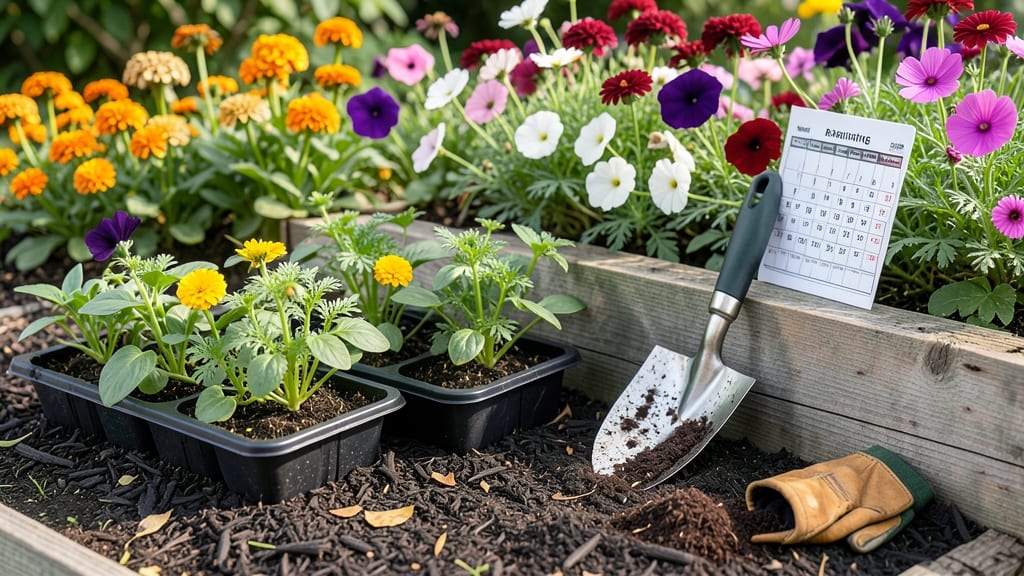
Timing your annuals planting in Pennsylvania wrong could mean wilted seedlings or missed blooms—especially in Zones 5b-7a where frost lingers unpredictably.
The key to vibrant 🌸 gardens lies in knowing whether to start seeds indoors in March or wait until soil warms after April 15, the average last frost date.
Cool-season annuals like pansies thrive when planted early, while heat-loving marigolds need to wait until late May. But here’s the catch: urban heat islands in cities like Philadelphia can push planting dates 2 weeks earlier than rural areas in the Poconos.
I’ll break down the exact deadlines, frost-free strategies, and how to adjust for your microclimate—so you can avoid common mistakes and enjoy blooms from June through October.
Ready to transform your garden? Let’s dive into the step-by-step schedule that’ll have your annuals thriving all season long.
Pennsylvania annual planting deadlines by month: avoid frost & maximize blooms
Pennsylvania’s Zones 5b-7a mean your planting schedule hinges on last frost dates (typically April 15 in most areas) and soil temperatures. Cool-season annuals like pansies and lettuce can handle light frosts, while marigolds and basil need 60°F+ soil to thrive. Timing wrong? Your seedlings may bolt or rot.
I’ve mapped out the exact month-by-month deadlines for both spring and fall planting, including heat-loving vs. cool-tolerant varieties. Pro tip: Use row covers to extend your spring planting window by 2-3 weeks if frost threatens.
For urban gardeners (like those in Philadelphia), soil warms 1-2 weeks earlier than rural areas due to heat islands. Rural gardeners in the Poconos may need to wait until May 1 for safe planting. Always verify your local last frost date using the Penn State Extension frost map.
Here’s your month-by-month planting schedule, including ideal soil temps, plant types, and bloom timelines to maximize your garden’s season-long color.
🌱 Pennsylvania Annual Planting Deadlines by Month
| Month | Plant Type | Soil Temp (°F) | Best Varieties | Bloom Time |
|---|---|---|---|---|
| March (Indoors) | Cool-season | 60-65°F | Pansies, Snapdragons, Lettuce | May-June |
| April (After Frost) | Hardy Annuals | 50°F+ | Calendula, Sweet Alyssum, Spinach | June-August |
| May (Warm Soil) | Heat-lovers | 60°F+ | Marigolds, Petunias, Basil | July-October |
| June (Containers) | Tender Annuals | 65°F+ | Zinnias, Sunflowers, Coleus | August-Frost |
| August (Fall) | Cool-season | 55°F+ | Pansies, Kale, Radishes | September-October |
📅 Pro Tip: Use row covers to plant 2 weeks earlier in spring or extend fall blooms.
In May, focus on heat-loving annuals like marigolds and basil, but wait until soil reaches 60°F—cold soil stunts roots. For containers, you can plant zinnias or sunflowers as late as June 15 in most of PA, since they warm up faster.
Don’t overlook fall planting! Pansies and kale thrive when sown in August, blooming until first frost (usually mid-October). This double-season strategy gives you 180+ frost-free days of color.
For herbs like basil, direct-sow after May 15—earlier planting risks bolting (premature flowering). If you’re in Zone 7a (southern PA), you can push basil until June 1, but Zone 5b gardeners should stick to late May.
Remember: Urban areas (e.g., Pittsburgh, Allentown) often have earlier last frosts than rural zones. Check the Penn State Extension map to adjust your timeline by ±7 days. With this schedule, your annuals will bloom from June through October—no guesswork!
Need a quick reference? Bookmark this table and adjust based on your microclimate. Next, we’ll tackle how to fine-tune these dates for your specific PA location—whether you’re in a city heat island or a mountain valley.
How to adjust planting times for Pennsylvania’s microclimates: urban vs. rural tips
Pennsylvania’s diverse geography—from Philadelphia’s urban heat islands to the Poconos’ cooler mountain valleys—means your last frost date could vary by 2-3 weeks. A neighbor’s successful May 1 planting might fail in your Zone 5b backyard if you’re in a frost-prone pocket.
Microclimates shift ideal windows, so I’ll show you how to customize planting times for your specific location.
Start by checking your local frost averages—Penn State Extension offers county-specific maps. Urban areas like Pittsburgh or Allentown often see earlier soil warming due to pavement heat, while rural zones near lakes (like Erie) may experience delayed springs from lake-effect cooling.
Elevation also plays a role: add 1 day per 100 feet to frost dates if you’re in the Appalachians.
Here’s how to adjust your schedule based on your microclimate:
- Plant warm-season annuals (marigolds, basil) 2 weeks earlier (late April).
- Use reflective mulch to cool soil for heat-sensitive plants like lettuce.
- Extend fall blooms with row covers until October 31.
- Wait until May 15 for warm-season plants; soil warms slower.
- Start cool-season seeds indoors by March 15 for earlier harvests.
- Watch for late May frosts—keep frost cloth handy.
- Delay planting until May 22 (add 10-14 days to zone averages).
- Choose shorter-season varieties (e.g., 'Early Girl' tomatoes).
- Use black plastic mulch to warm soil 5-10°F faster.
Pro tip: Test your soil’s warmth before planting—press your hand into the ground. If it feels cool to the touch, wait 1-2 weeks longer. For containers, use a soil thermometer; aim for 60°F+ for warm-season plants like peppers.
Even with adjustments, monitor local forecasts in April-May. Tools like the National Weather Service’s frost prediction maps can save your seedlings. And if you’re unsure, opt for heat-tolerant varieties like zinnia or cosmos, which bounce back from late frosts better than petunias or geraniums.
🌱 Ready to fine-tune your schedule? Grab a free frost-date guide from Penn State Extension and mark your calendar with these microclimate tweaks.