
Trees
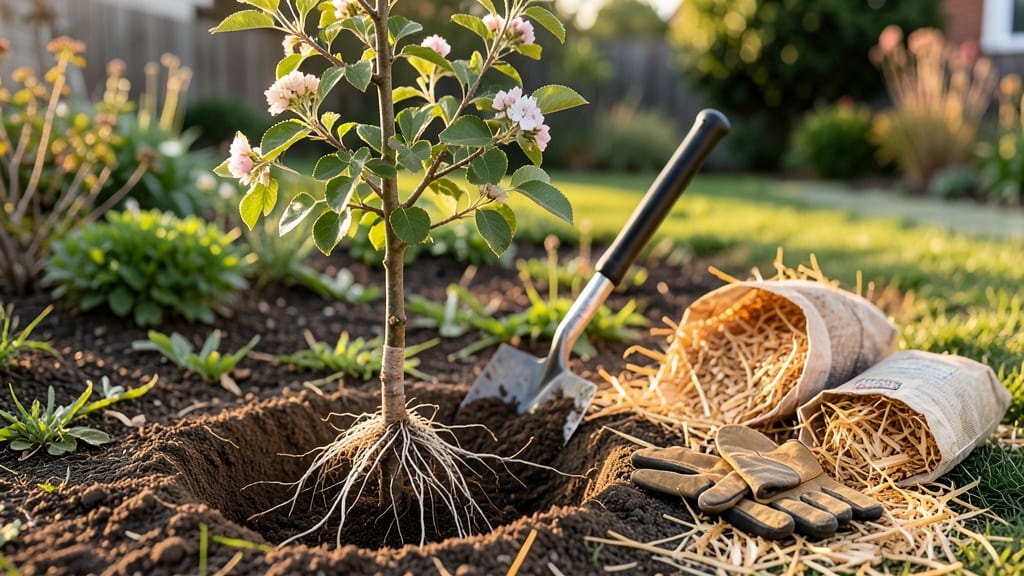
If you’ve ever dreamed of growing your own crisp, homegrown 🍎 apples in Maine, timing is everything—plant too early, and frost will nip your young tree in the bud; too late, and it won’t establish strong roots before winter.
The secret to success lies in knowing when to plant apple trees in Maine’s 5a-6b zones, where frost can linger well into May and return by October.
Most gardeners assume spring is the only window, but fall planting offers a critical advantage: cooler soil and fewer pests, giving roots time to settle before winter.
Yet, with Maine’s unpredictable climate, even the best-laid plans can go awry if you miss the sweet spot between early April and October—when soil temperatures and frost-free days align just right.
I’ve spent years watching apple trees thrive (and fail) in Maine’s short growing season, and the difference often comes down to one thing: preparation.
Whether you’re planting bare-root saplings in spring or container-grown trees in fall, the right soil, variety, and frost protection can turn a gamble into a guaranteed harvest of sweet, juicy apples by late summer.
Let’s break down the exact months, hardy varieties, and pro tips to ensure your apple tree not only survives but flourishes—so you can enjoy that first bite of a homegrown 🍎 in just a few years. Ready to get started?
Best planting months for apple trees in Maine’s climate zones
Maine’s USDA Zones 3-5 bring unique challenges for apple tree planting, like late spring frosts and short growing seasons. Timing your planting correctly ensures your trees establish strong roots before winter.
The ideal window is either early spring (April) or early fall (September-October), when soil temperatures are cool but frost-free periods are predictable.
Spring planting gives young trees time to root before winter, while fall planting (4-6 weeks before frost) allows roots to establish without summer heat stress. Bare-root trees are best planted in spring, while container-grown trees can handle fall planting with minimal shock.
Always check your local last frost date—Maine’s typically falls around mid-May in most regions.
Here’s how to align your planting with Maine’s climate:
🌱 Planting Window Comparison for Maine
| Season | Best Months | Soil Temp | Tree Type | Key Consideration |
|---|---|---|---|---|
| Spring | April | 40-50°F | Bare-root | Plant before buds swell; avoid frost risk |
| Fall | September-October | 50-60°F | Container-grown | 4-6 weeks before first frost; water deeply |
| Late Spring | May (after frost) | 55-65°F | Bare-root or potted | Monitor for late frosts; mulch heavily |
For bare-root trees, spring planting in April is ideal because the soil is workable but still cool, reducing transplant shock.
If you choose fall planting, aim for September in southern Maine or early October in northern regions. Container-grown trees are more flexible and can be planted up to 6 weeks before frost, but avoid planting when soil temps drop below 40°F.
Maine’s microclimates vary dramatically. Coastal areas (like Zone 5b) may have 2-3 weeks earlier frost-free periods than inland regions (like Zone 4alocal frost calendar or consult your county extension office for precise dates.
For example, Portland typically sees its last frost around May 10, while Presque Isle can experience frost until June 1.
If you miss the ideal window, late spring planting (May) is still viable, but prioritize frost protection for young trees. Use frost cloths or row covers on nights when temperatures dip below 28°F.
Water deeply before expected frosts to help roots withstand cold snaps. Mulch with 4-6 inches of straw or wood chips to insulate roots and retain moisture.
Another critical factor is soil temperature. Use a soil thermometer to confirm temps are above 40°F before planting. Cold soil can stunt root growth, leaving trees vulnerable to winter dieback.
If your soil is too cold, wait 1-2 weeks or use black plastic mulch to warm it faster. In Zone 3 areas, this might mean delaying planting until late May.
Pro tip: Plant dwarf or semi-dwarf varieties in Maine—they establish faster and are easier to protect from frost. Place them near south-facing walls or fences to create a microclimate that traps heat.
Avoid low-lying areas where cold air pools, as these spots can delay warming in spring and increase frost risk.
Finally, consider tree age and size. Younger, smaller trees recover better from late planting than mature specimens. If you’re planting a 2-year-old tree, it’s more resilient than a 5-year-old tree.
Always dig a hole twice as wide as the root ball but no deeper to encourage root spread in Maine’s acidic, rocky soil.
Timing your apple tree planting right in Maine isn’t just about the calendar—it’s about reading your local climate cues. With the right preparation, your trees will thrive despite Maine’s unpredictable weather.
Best planting months for apple trees in Maine’s climate zones
Maine’s USDA Zones 3-5 create a narrow window for planting apple trees, where timing can mean the difference between a thriving orchard and a frost-killed sapling. The ideal planting months are early April to mid-May for bare-root trees and September to early October for container-grown trees.
This aligns with soil warming trends and avoids late frosts that can damage tender roots.
Bare-root trees should go into the ground as soon as the soil is workable—typically when daytime temperatures consistently stay above 40°F (4°C). Container-grown trees, however, have a longer window in fall because their roots aren’t exposed to cold.
Planting in September or early October gives roots time to establish before winter dormancy, reducing transplant shock.
🌱Key Rule: Never plant apple trees in Maine when the ground is frozen or when frost is forecast within 2-3 weeks. Even hardy varieties like McIntosh or Liberty can suffer if planted too late in spring or too early in fall.
| Planting Method | Best Months | Soil Temp Requirement | Frost Risk |
|---|---|---|---|
| Bare-Root Trees | Early April–Mid-May | 40°F+ (4°C+) | High (late frosts common) |
| Container-Grown Trees | September–Early October | 50°F+ (10°C+) | Moderate (roots establish before frost) |
| Bare-Root (Fall) | Late October–November | 45°F+ (7°C+) | Low (dormant roots survive) |
For bare-root trees, the earliest safe window is critical—plant them as soon as the ground thaws in early April, but avoid waiting until after mid-May, when late frosts become more likely. Container-grown trees, however, can handle fall planting until early October because their root balls are protected.
🌡️Pro Tip: Use a soil thermometer to confirm temperatures meet requirements. In Maine’s Zone 4-5, soil often stays too cold for bare-root planting until late April, so don’t rush—wait for the green-up of daffodils as a natural indicator.
Once planted, water deeply to encourage root growth, and apply a 3-inch layer of mulch to insulate roots from temperature swings. In my own orchard, I’ve found that trees planted in fall often outperform spring-planted ones because they avoid the stress of summer heat and establish roots before winter.